Hyperloop One announces completion of first successful full-system hyperloop test.
Get the latest international news and world events from around the world.

Mexico is planning to build its own Hyperloop
Click on photo to start video.

Watch this MIT-engineered crib put crying babies to sleep in minutes
Click on photo to start video.

This robot suit allows disabled people to walk and gives workers super strength
Click on photo to start video.

How Switzerland Became The Silicon Valley Of Robotics
Where in the world is the Silicon Valley for Robotics emerging? Not in California. Forget its reputation for chocolate, cheese, mountains and Alpine bells: Switzerland is now setting itself up as the world leader in artificial intelligence. And Google and Disney seem to agree.
Scientists discover a protein that protects the eyes from glaucoma
Researchers at Macquarie University have discovered that a naturally occurring protein in the body protects the eye from the common eye disease glaucoma, which is particularly sensitive to oxidation through environmental factors that may include cigarette smoke. The findings were published in Scientific Reports.
The researchers have demonstrated that the protein “neuroserpin” is critical to a healthy retina, regulating other enzymes and maintaining a natural protective environment in the eye.
Neuroserpin belongs to a family of proteins “serpins” that are particularly sensitive to oxidation through environmental factors.
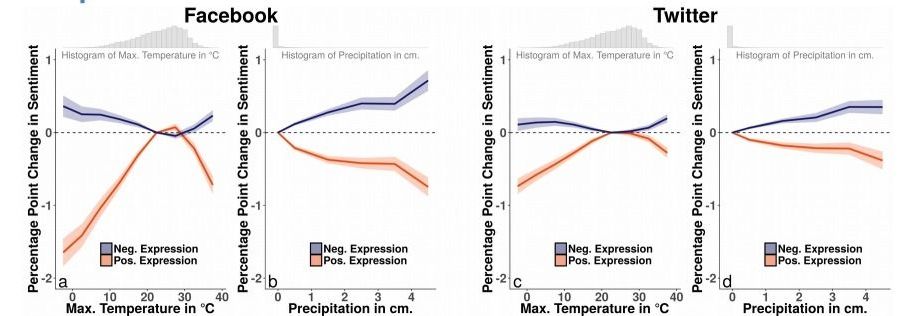
Here’s the first large-scale evidence that our moods depend significantly on the weather
Connectivity
Billion-tweet study proves we write happier messages when the weather is good.
Everyone’s mood improves when the weather is good, right? Actually, the large-scale evidence to prove this has never been gathered—until now.
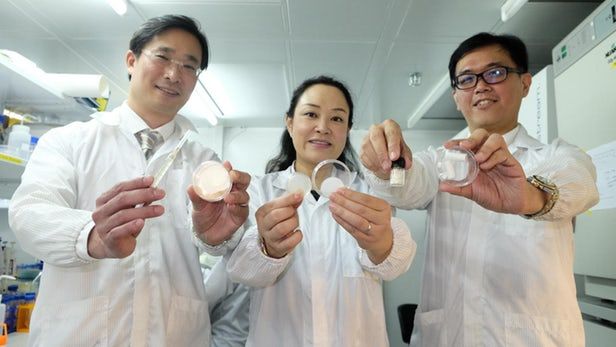
Skin patch speeds healing while reducing scarring
Scientists have struggled to develop a single substance that can both speed up wound healing and reduce the formation of scars. Scar reduction medications tend to interfere with the natural process of healing, but now a team of researchers has created a novel skin patch that can reduce scarring and increase the pace of wound healing.
The team from Nanyang Technological University in Singapore discovered a key protein called Angiopoietin-like 4 (ANGPTL4) plays several roles over different phases of healing. ANGPTL4 not only reduces inflammation and induces new cell growth, but in later stages of healing it produces molecules that interfere with a key protein that induces scar tissue.
Excessive collagen production is a key factor in the scarring we are familiar with when a wound heals. The key to the new innovation was developing a way to modulate collagen production without turning it off completely, as it is fundamentally necessary for wound repair.