A new AI algorithm can create the most advanced deepfakes yet, complete with emotions and gestures, after just a few minutes of training.
Get the latest international news and world events from around the world.

The 10 most luxurious first-class plane cabins in the world
One of the best parts about having expendable money has to be flying in style.
After all, being on an airplane can be brutal. Especially when your flight stretches over 10 hours.
Here’s the 10 most luxurious first-class cabins that make flying comfortable and enjoyable.
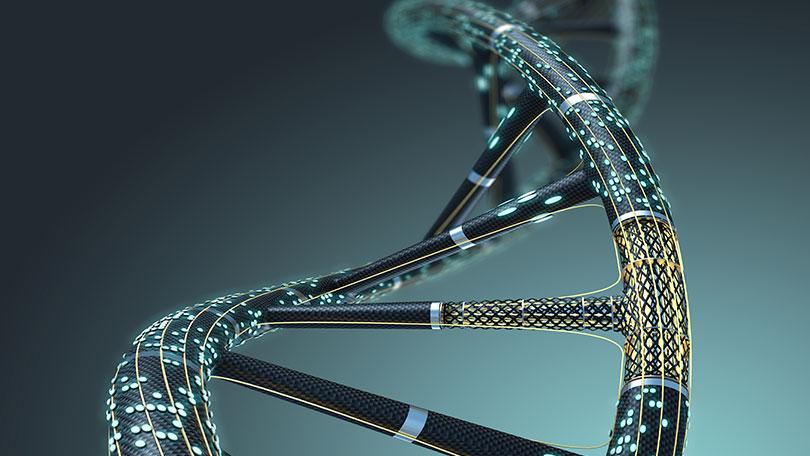
Could We Be the Last Generation to Know What the Flu Feels Like?
Project Recode may be the most ambitious science experiment of our time – genetically engineering humans to be virus-resistant.
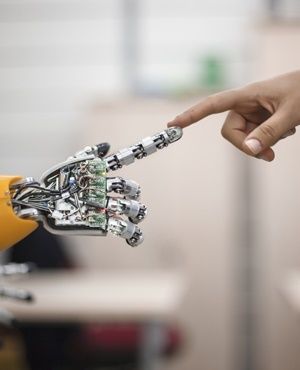
Silicon Valley eyes Africa as new tech frontier
Lagos — With its colourful hammocks and table tennis table, a new tech hub in the Lagos metropolis wouldn’t look out of place among the start-ups on the other side of the world in Silicon Valley.
But the NG_Hub office is in the suburb of Yaba — the heart of Nigeria’s burgeoning tech scene that is attracting interest from global giants keen to tap into an emerging market of young, connected Africans.
In May, both Google and Facebook launched initiatives nearby.
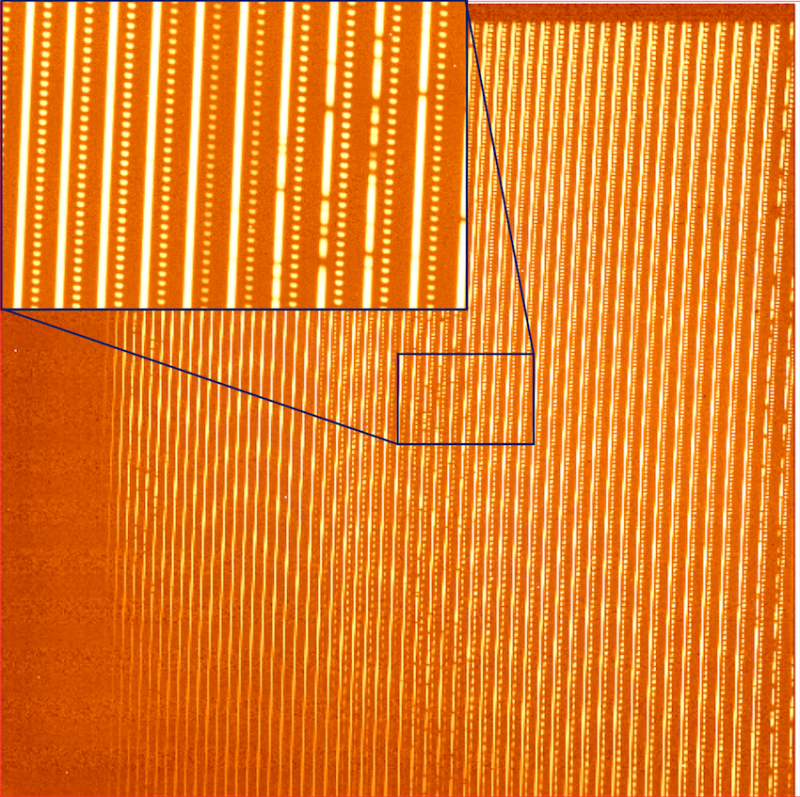
Innovative new instrument to seek habitable worlds
A new infrared instrument on a telescope in Hawaii will let astronomers find more exoplanets orbiting red dwarf stars. The discoveries may include rocky worlds that are potentially habitable.
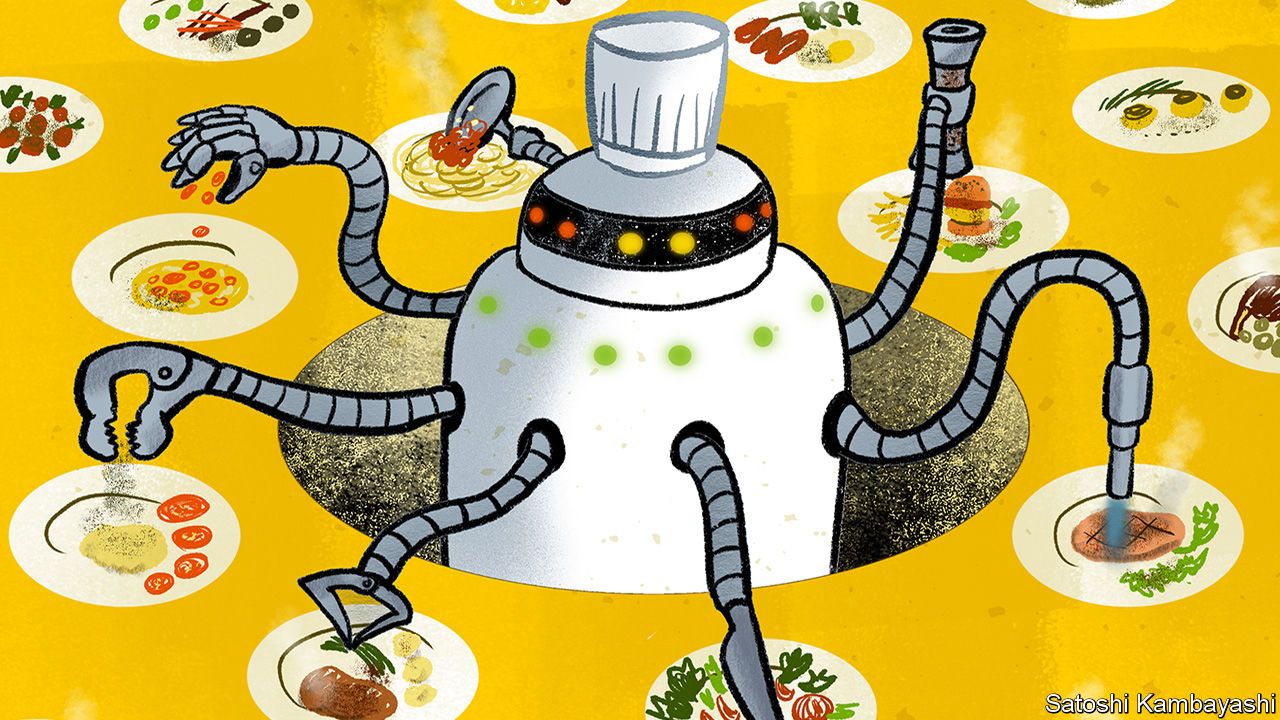
Robot chefs are popping up in restaurants around the world
“Doughbots” in California speed up stretching pizza dough from 45 seconds to just nine.
CREATOR, a new hamburger joint in San Francisco, claims to deliver a burger worth $18 for $6—in other words, to provide the quality associated with posh restaurants at a fast-food price. The substance behind this claim is that its chef-de-cuisine is a robot.
Until recently, catering robots have been gimmicks. “Flippy”, a robotic arm that flipped burgers for the entertainment of customers at CaliBurger in Pasadena, near Los Angeles, earlier this year is a prime example. But Flippy could perform only one task. Creator’s bot automates the whole process of preparing a burger. And it is not alone. Other robot chefs that can prepare entire meals are working, or soon will be, in kitchens in other parts of America, and in China and Britain.
Get our daily newsletter
Upgrade your inbox and get our Daily Dispatch and Editor’s Picks.
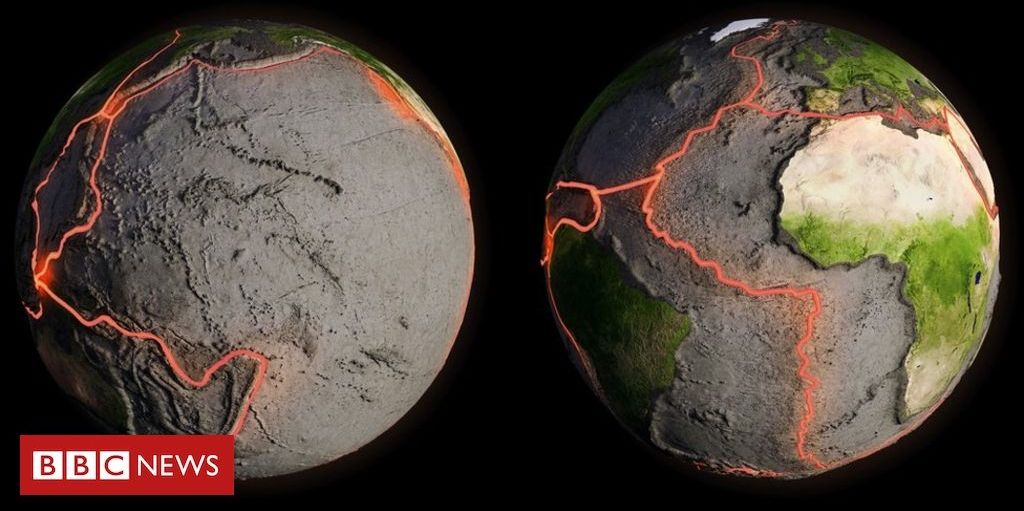
Revolution in quake detection technology
A new method using existing communications cables could make earthquakes easier to detect.
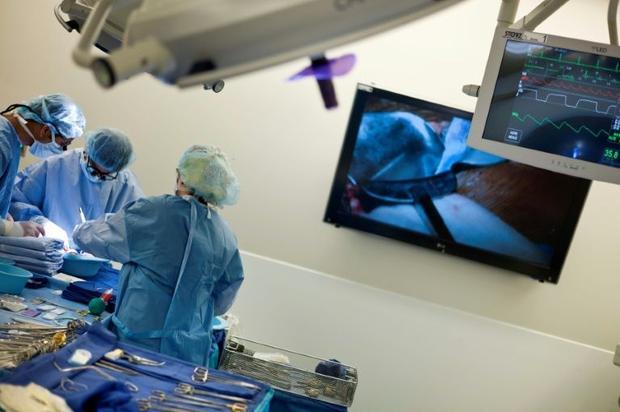
Q&A: Why AI is set to change healthcare (Includes interview)
From image analysis to data management, artificial intelligence is reshaping healthcare. Darren Schulte from Apixio looks at some real-world examples, and the advantages and disadvantages.

Automating Drug Discoveries Using Computer Vision
“Every time you miss a protein crystal, because they are so rare, you risk missing on an important biomedical discovery.”
- Patrick Charbonneau, Duke University Dept. of Chemistry and Lead Researcher, MARCO initiative.
Protein crystallization is a key step to biomedical research concerned with discovering the structure of complex biomolecules. Because that structure determines the molecule’s function, it helps scientists design new drugs that are specifically targeted to that function. However, protein crystals are rare and difficult to find. Hundreds of experiments are typically run for each protein, and while the setup and imaging are mostly automated, finding individual protein crystals remains largely performed through visual inspection and thus prone to human error. Critically, missing these structures can result in lost opportunity for important biomedical discoveries for advancing the state of medicine.