
From Reese Witherspoon to Jeff Bezos, those who are super successful in their chosen domain accept this truth.
Get the latest international news and world events from around the world.

Planetary collision that created Moon also seeded Earth with life-producing elements – study
Life-producing elements came to Earth from another planet — study.
The elemental building-blocks of life arrived on Earth when it collided with a “Mars-sized planet” 4.4 billion years ago – an impact that also created the Moon, a new study has found.
Carbon, nitrogen, sulfur, and other volatile elements integral to life were transferred to Earth’s outer layers through collision with a slightly smaller planet rich in these elements at the beginning of its existence. This impact produced the moon and, eventually, gave rise to carbon-based life, according to a new model of Earth’s development devised by petrologists at Rice University.
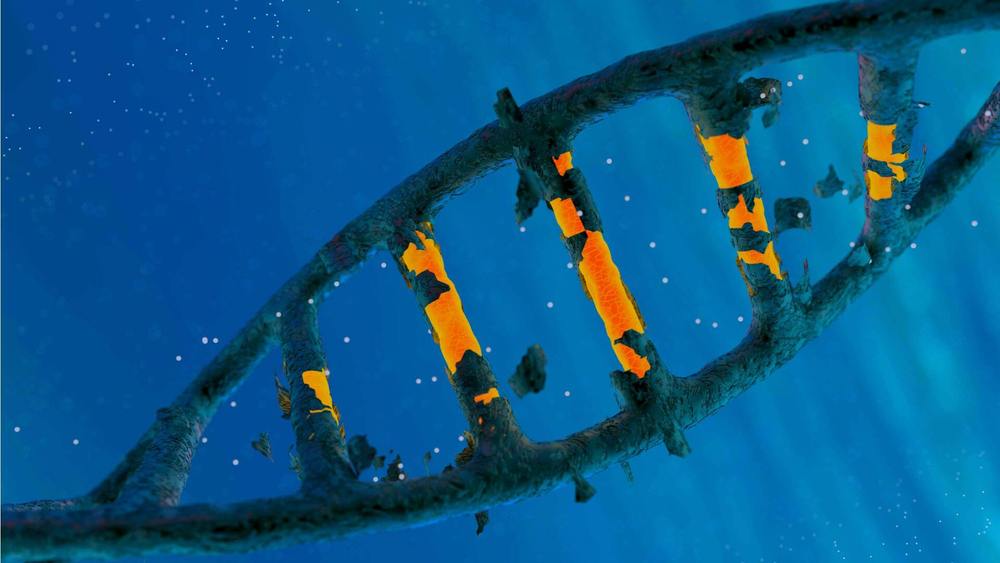
CRISPR Just Got More Powerful With an “On” Switch
ProCas9 is an “extra layer of security” that limits CRISPR’s editing skills to only a subset of cells to ensure accurate cutting.

For Industrial Robots, Hacking Risks Are On the Rise
In the future, industrial robots may create jobs, boost productivity and spur higher wages. But one thing seems more certain for now: They’re vulnerable to hackers.
Factories, hospitals and other big robot users often lack sufficient levels of defense against a digital attack, according to cybersecurity experts, robot manufacturers and engineering researchers. The risk levels are rising as more robots morph from being offline and isolated to being internet-connected machines, often working alongside humans.
5G promises to make factories a lot smarter. And that means they’ll be a lot more vulnerable.
How the Wiring of Our Brains Shapes Who We Are — with Kevin Mitchell
Nature nurture part… One of the better talks I’ve heard so far though lately on the subject. Might even give the book a try. More enjoyable and informative for me than Robert Plomin’s exploits lately, though they are kind of in agreement in some regards.
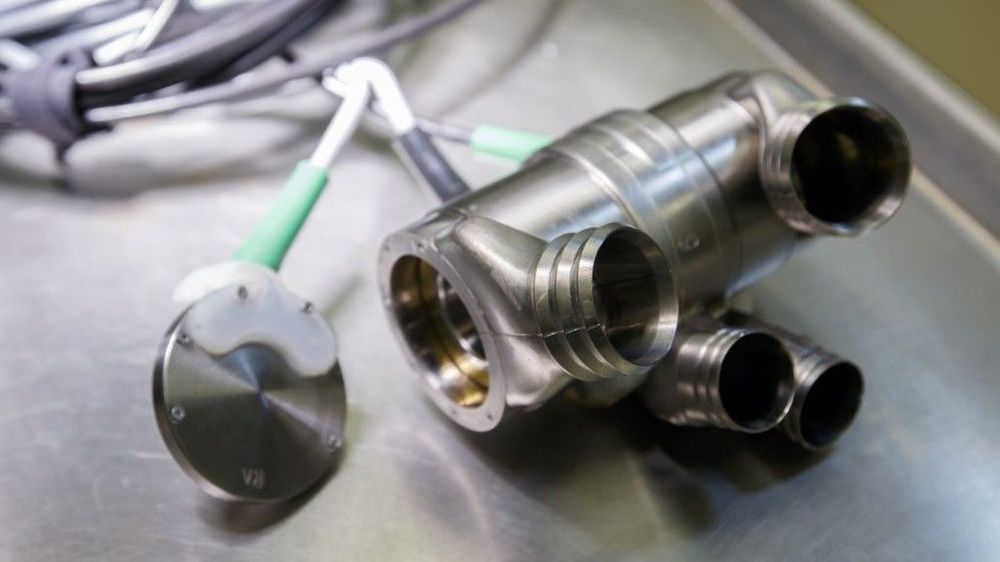
A simple artificial heart could permanently replace a failing human one
The small, streamlined design could have benefits over other devices.
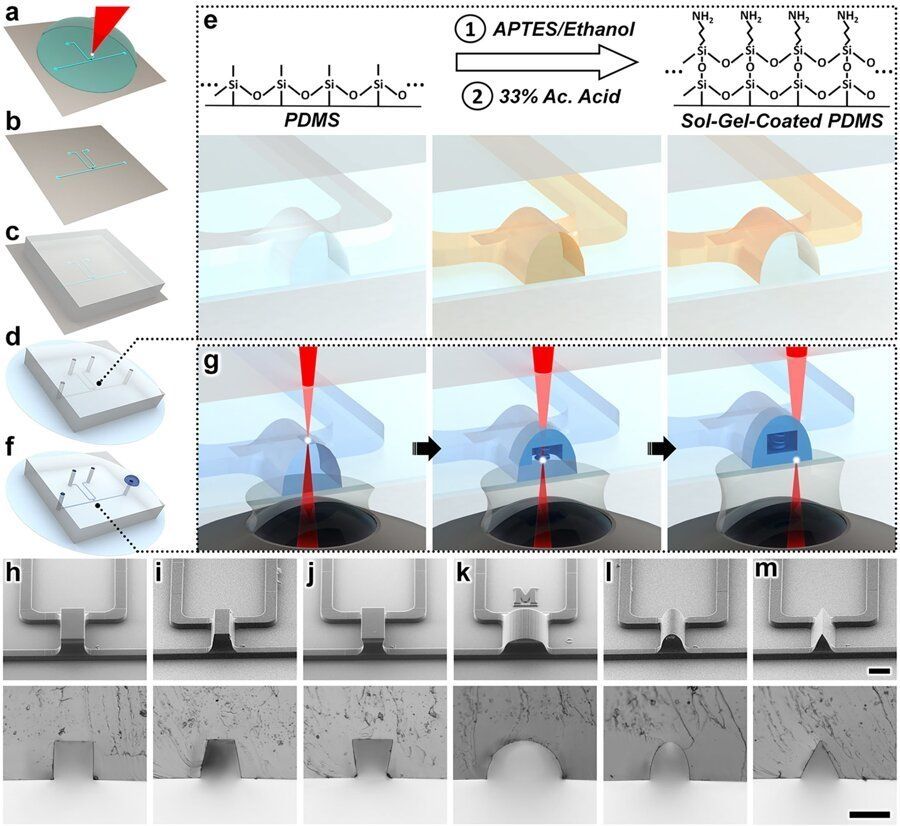
New 3D nanoprinting strategy opens door to revolution in medicine, robotics
Engineers at the University of Maryland (UMD) have created the first 3D-printed fluid circuit element so tiny that 10 could rest on the width of a human hair. The diode ensures fluids move in only a single direction—a critical feature for products like implantable devices that release therapies directly into the body.
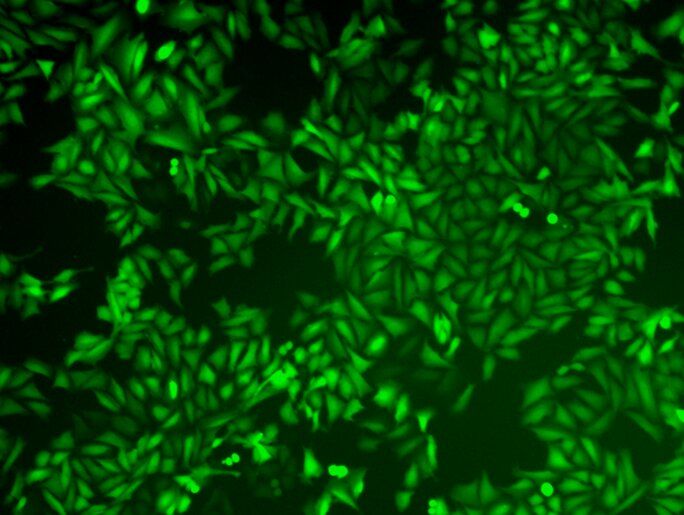
Cancer has a biological clock and this drug may keep it from ticking
A new drug shows potential to halt cancer cells’ growth by stunting the cells’ biological clock.
The findings from scientists at the USC Michelson Center for Convergent Bioscience and Nagoya University’s Institute of Transformative BioMolecules (ITbM) advance a burgeoning area of research: turning the body’s circadian rhythms against cancer.
Their study, conducted on human kidney cancer cells and on acute myeloid leukemia in mice, was published Jan. 23 in the journal Science Advances.