The ethics of clinical trials that deliberately infect people with a disease aren’t clear-cut – but there’s a strong case for doing more of them

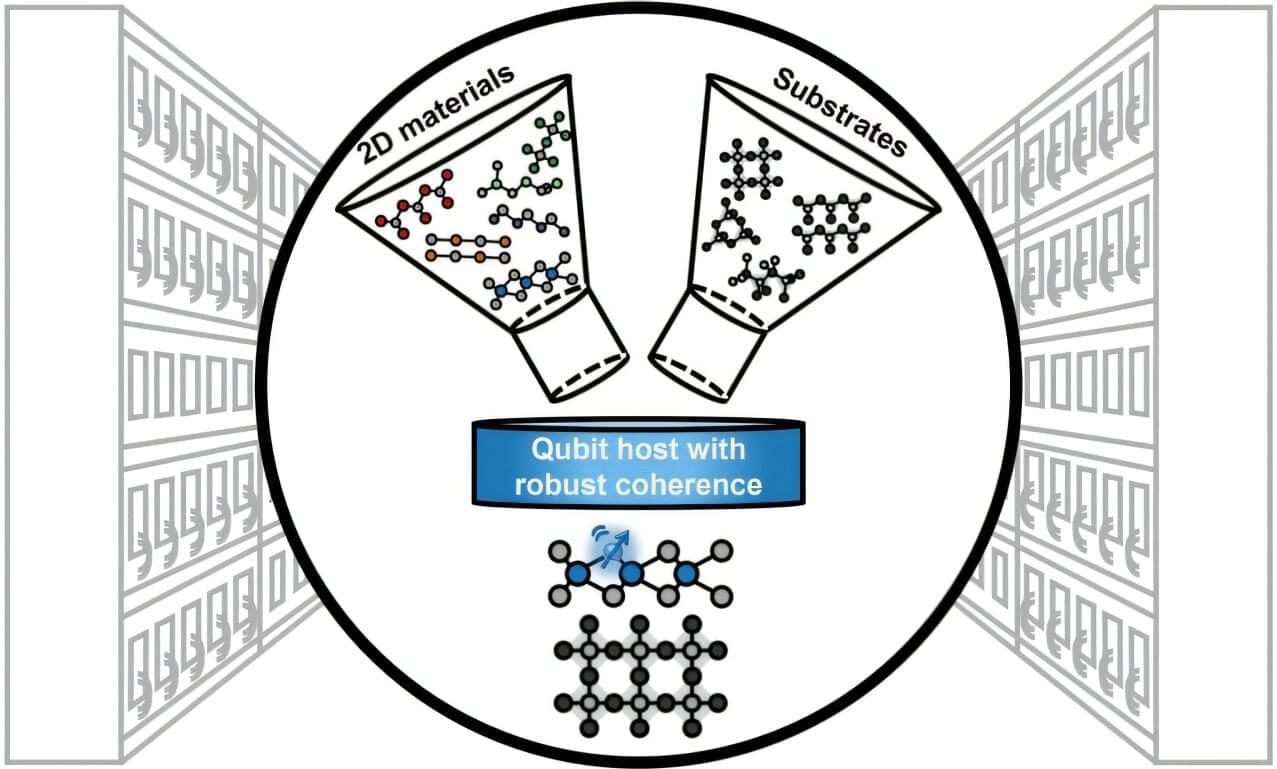
Quantum technologies from ultrasensitive sensors to next-generation information processors depend on the ability of quantum bits, or qubits, to maintain their delicate quantum states for a sufficiently long time to be useful.
One of the most important measures of this stability is the spin coherence time. Unfortunately, qubits may lose coherence because their environment is “noisy,” for example, due to the presence of nuclear isotopes or other interference that disturbs the qubit.
Two-dimensional (2D) materials—or atomically thin sheets—can offer quiet environments for qubits, as their reduced thickness naturally lowers the number of isotopes that interact with the qubit.


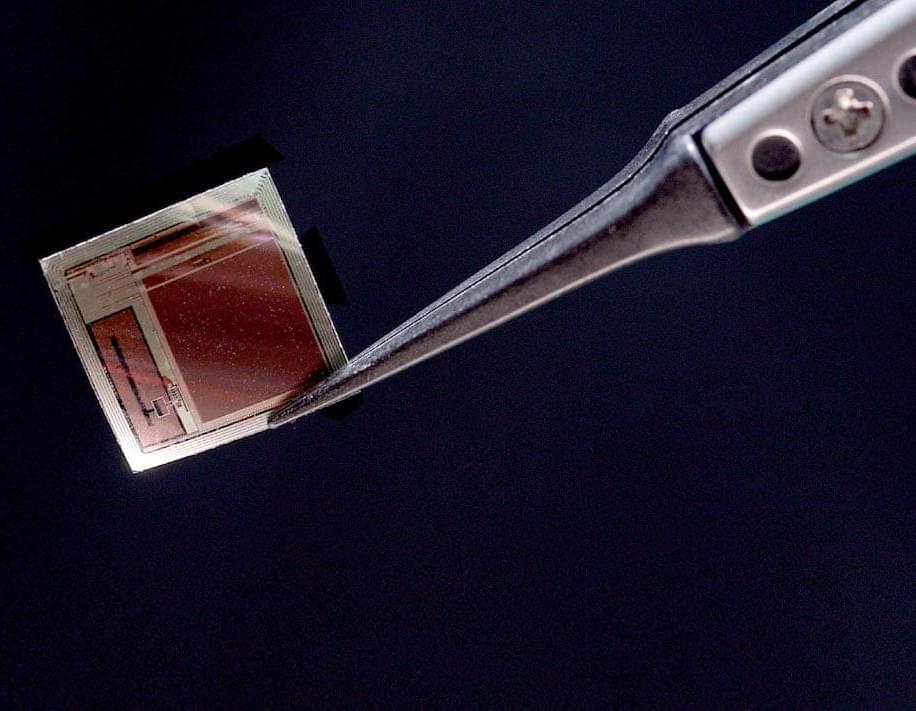
A radically miniaturized brain implant called BISC is redefining what’s possible in human–computer interaction, offering a paper-thin, wireless, high-bandwidth link directly to the brain.
With over 65,000 electrodes and unprecedented data throughput, it enables advanced AI decoding of thoughts, intentions, and sensory experiences while remaining minimally invasive.
An international collaboration led by Cornell researchers used a combination of psilocybin and the rabies virus to map how – and where – the psychedelic compound rewires the connections in the brain.
Specifically, they showed psilocybin weakens the cortico-cortical feedback loops that can lock people into negative thinking. Psilocybin also strengthens pathways to subcortical regions that turn sensory perceptions into action, essentially enhancing sensory-motor responses.
The findings published Dec. 5 in Cell. The lead author is postdoctoral researcher Quan Jiang.

A joint effort between two of the world’s largest neutrino experiments has brought scientists closer to understanding how the universe survived its violent beginnings.
The findings could reveal why matter exists at all — and why everything didn’t vanish long ago.
Scientists unite to explore why the universe exists.
High-resolution imaging has revealed the internal layout of chromatin condensates, showing how DNA fibers fold and interact within these droplet-like structures. The findings connect molecular architecture to the broader behaviors of these droplets in cells.