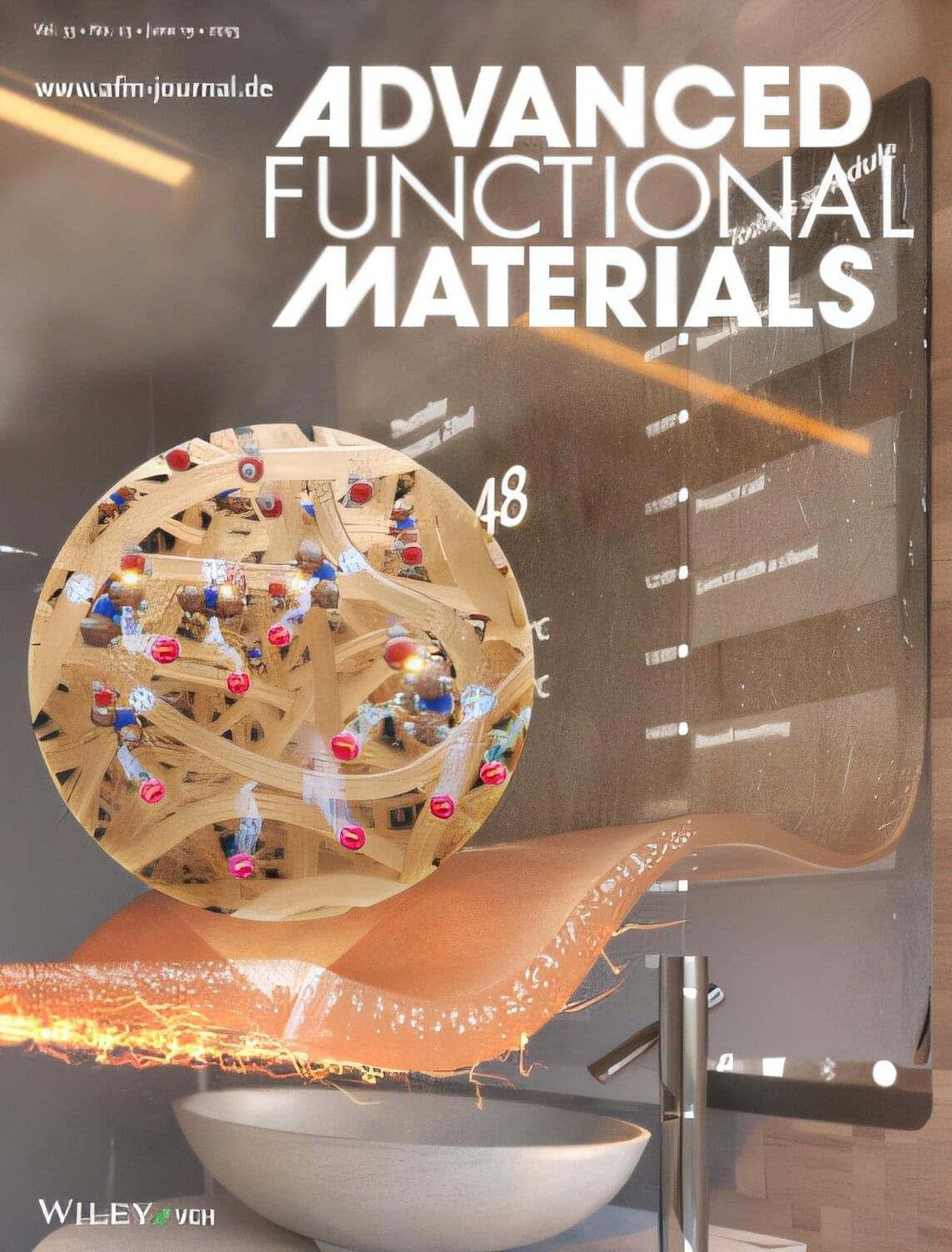
Their findings have been published in the journal Advanced Functional Materials in an article titled “Long-Lasting Moisture Energy Scavenging in Dry Ambient Air Empowered by a Salt Concentration-Gradient Cationic Hydrogel.”
How the new MEG technology works These moisture-activated generators (or MEGs) work by creating a flow of ions—charged particles—inside a special gel, generating power naturally. But current versions face challenges: they don’t last long (less than 16 hours), have high internal resistance, and only work well in very humid conditions.
Professor Shin and his team have overcome those hurdles. They developed a salt-concentration-gradient cationic hydrogel for MEG, promising lower energy loss and higher output even in conditions of low relative humidity.