Massiv Android trojan hides in fake IPTV apps, enabling remote device control, credential theft, and fraudulent banking transactions via DTO attacks.

Threat actors are targeting technology, manufacturing, and financial organizations in campaigns that combine device code phishing and voice phishing (vishing) to abuse the OAuth 2.0 Device Authorization flow and compromise Microsoft Entra accounts.
Unlike previous attacks that utilized malicious OAuth applications to compromise accounts, these campaigns instead leverage legitimate Microsoft OAuth client IDs and the device authorization flow to trick victims into authenticating.
This provides attackers with valid authentication tokens that can be used to access the victim’s account without relying on regular phishing sites that steal passwords or intercept multi-factor authentication codes.

Researchers have discovered the first known Android malware to use generative AI in its execution flow, using Google’s Gemini model to adapt its persistence across different devices.
In a report today, ESET researcher Lukas Stefanko explains how a new Android malware family named “PromptSpy” is abusing the Google Gemini AI model to help it achieve persistence on infected devices.
“In February 2026, we uncovered two versions of a previously unknown Android malware family,” explains ESET.

Google says that through 2025, it blocked more than 255,000 Android apps from obtaining excessive access to sensitive user data and rejected over 1.75 million apps from being published on Google Play due to policy violations.
The tech giant’s annual review of Android and Google Play security reveals how effective the implemented protection measures were in maintaining an ecosystem with honest developers and compliant apps.
“We’re constantly improving our policies and protections to encourage safe, high-quality apps on Google Play and stop bad actors before they cause harm,” Google says.

African law enforcement agencies arrested 651 suspects and recovered over $4.3 million in a joint operation targeting investment fraud, mobile money scams, and fake loan applications.
As INTERPOL revealed on Wednesday, Operation Red Card 2.0 identified 1,247 victims between December 8 and January 30 while targeting cybercrime operations linked to over $45 million in financial losses.
Authorities across 16 countries also seized 2,341 devices and took down 1,442 malicious websites, domains, and servers during this joint action coordinated by the African Joint Operation against Cybercrime (AFJOC).
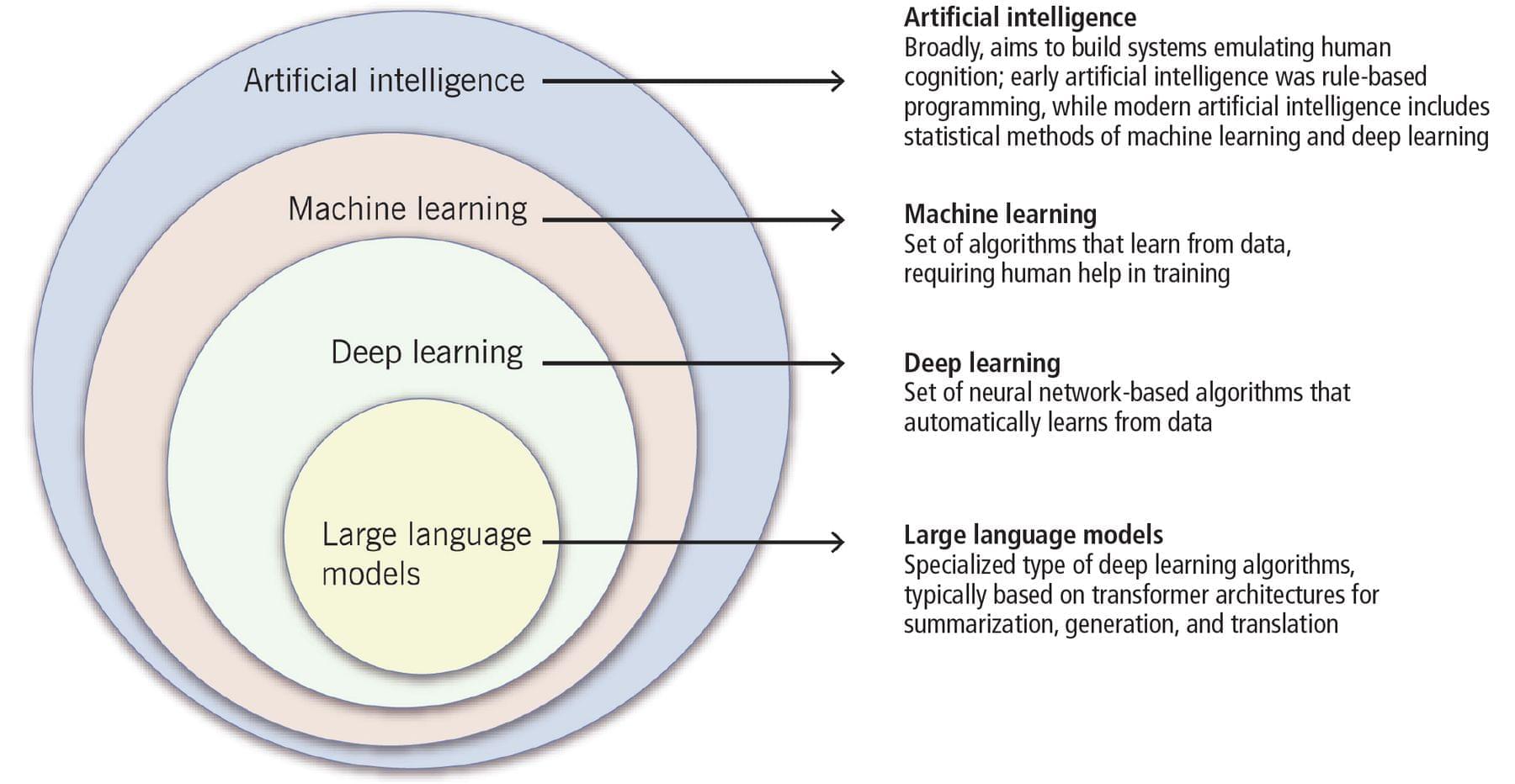
Artificial intelligence (AI) is transforming healthcare, with large language models emerging as important tools for clinical practice, education, and research. To use it safely and effectively, healthcare professionals need to understand how it works, and how it fails. Using practical clinical examples, the authors explain the subset of AI called large language models, highlighting their capabilities and their limitations.
Key Points
AI is trained on vast amounts of data, which can itself be biased, leading to biased results.
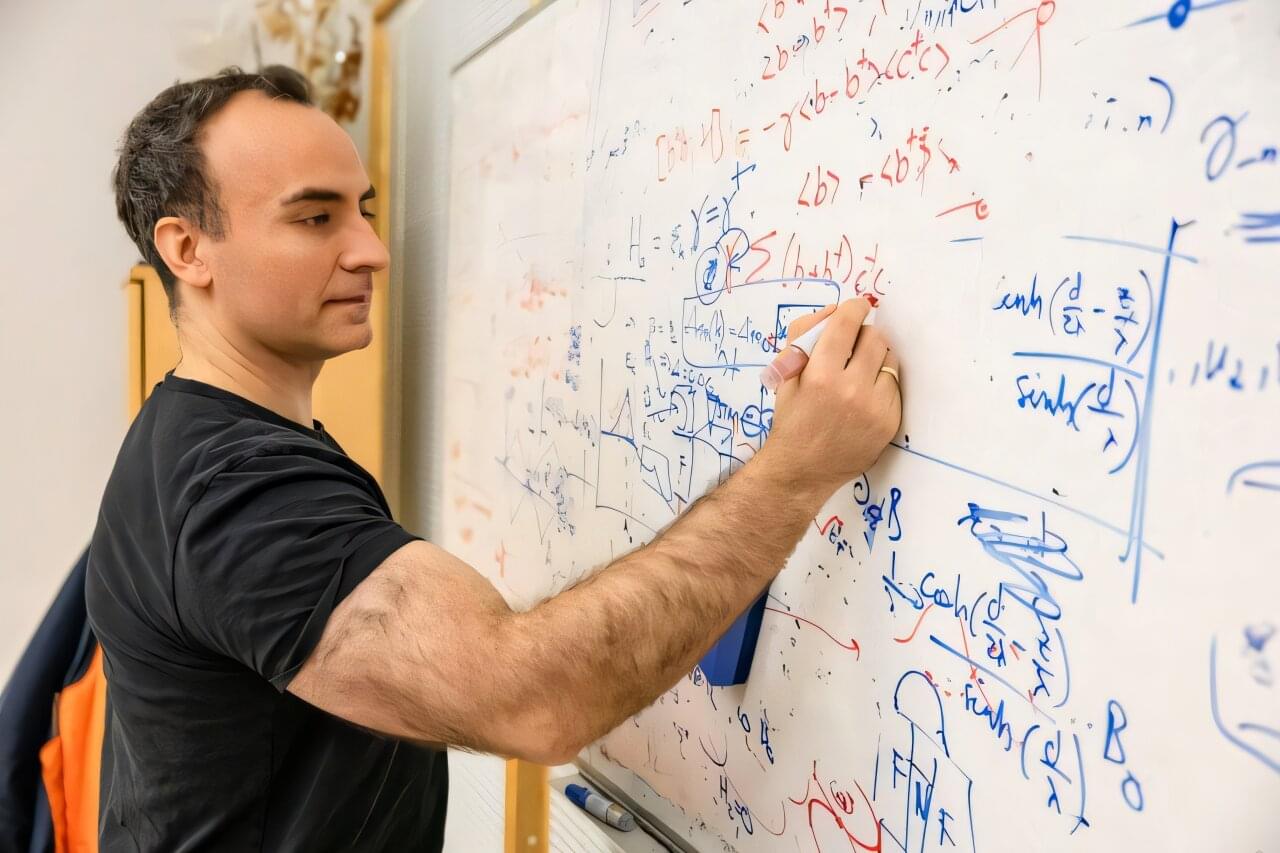
Many physicists are searching for a triplet superconductor. Indeed, we could all do with one, although we may not know it yet—or understand why. Triplet superconductors could be the key to achieving the most energy-efficient technology in the future.
“A triplet superconductor is high on the wish list of many physicists working in the field of solid state physics,” said Professor Jacob Linder. He works at NTNU’s Department of Physics, more specifically at QuSpin—a research center where physicists grapple with some of the gnarliest questions you can imagine. “Materials that are triplet superconductors are a kind of ‘holy grail’ in quantum technology, and more specifically quantum computing,” explained Linder.
He and his colleagues are now on the trail of this triplet superconductor—much to the excitement of physicists worldwide. “We think we may have observed a triplet superconductor,” said Professor Linder.
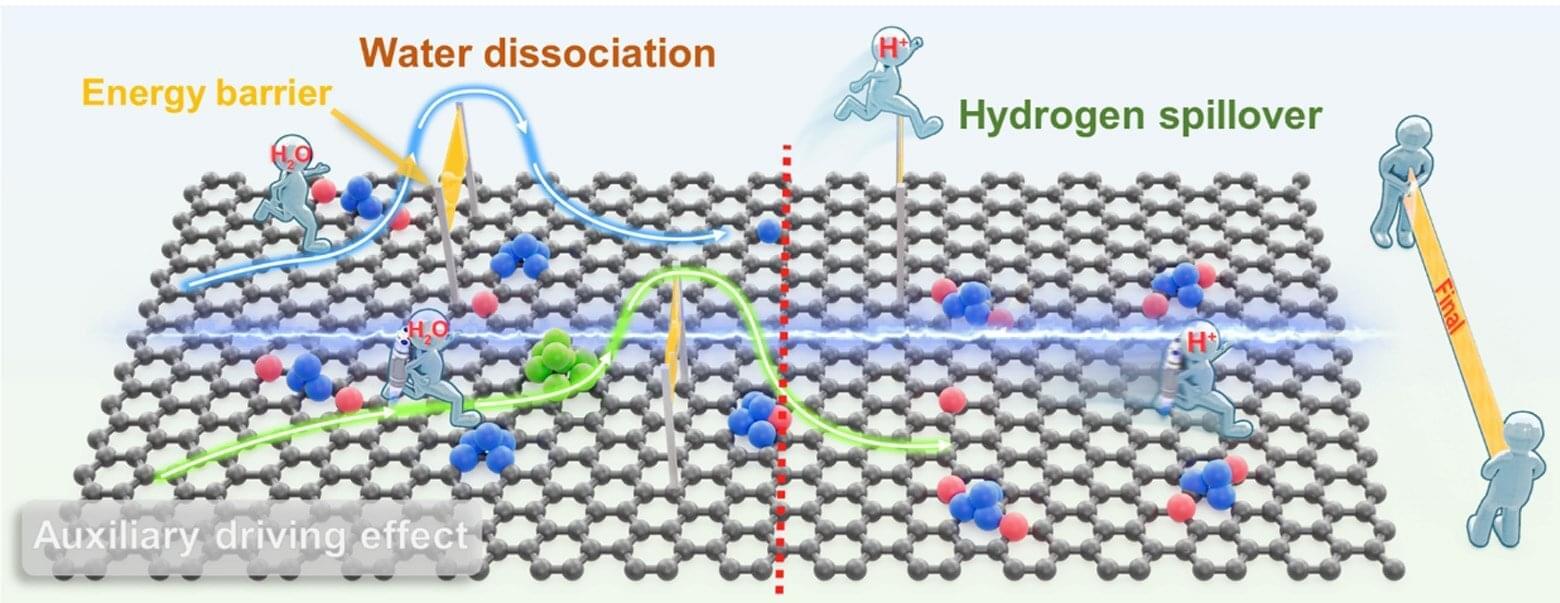
Producing clean hydrogen from water is often compared to storing renewable energy in chemical form, but improving the efficiency of that process remains a scientific challenge. Researchers at Tohoku University have now developed a catalyst design that helps hydrogen form more smoothly under alkaline conditions, a key step toward practical green hydrogen production.
The work is published in the journal ACS Catalysis.
Are you considering using AI to help improve your organization? Here’s how AI is accelerating innovation.
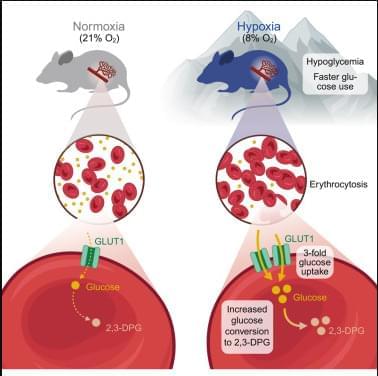
Martí-Mateos et al. show that red blood cells explain improved glucose tolerance at high altitude. By manipulating red blood cell number, they determine that these cells are necessary and sufficient for hypoxic hypoglycemia. This highlights red blood cells as unappreciated glucose regulators and reveals novel strategies to treat diabetes.