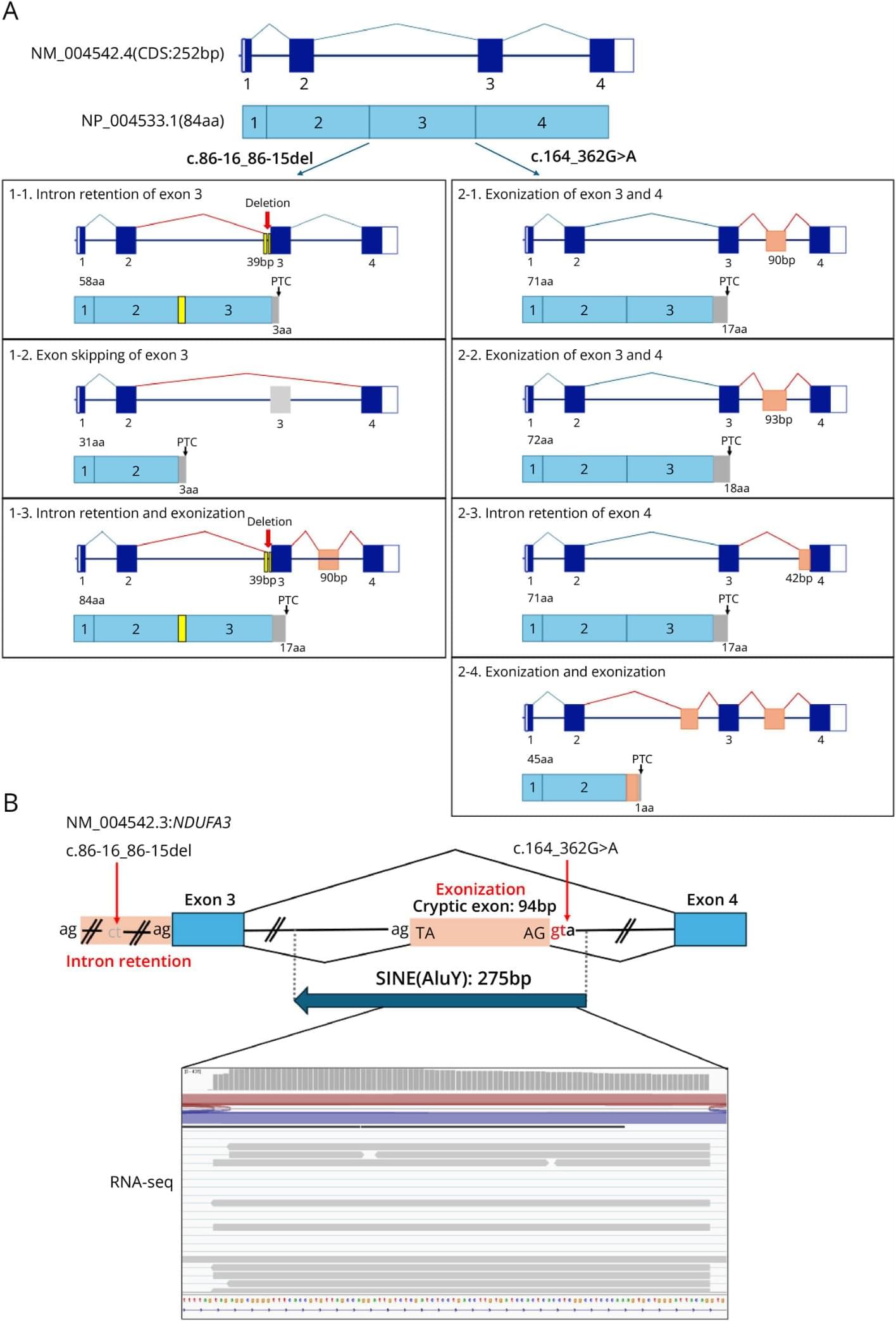
This study aimed to demonstrate that combining whole genome sequencing and RNA sequencing analyses can identify disease-causing variants that would otherwise be missed. Read more.
Background and Objectives.
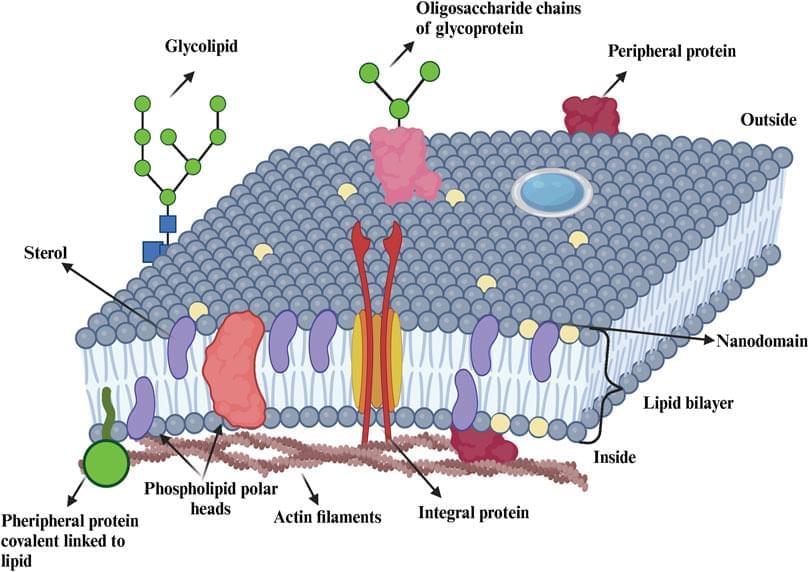
It is still a challenge to elucidate kinetics and real-time transport routes for molecules through biological membranes in live cells. Currently, by developing and employing super-resolution microscopy; increasing evidence indicates channels and transporter nano-organization and dynamics within membranes play an important role in these regulatory mechanisms. Here we review recent advances and discuss the major advantages and disadvantages of using super-resolution microscopy to investigate protein organization and transport within plasma membranes.
The mammalian plasma membrane (PM) is a complex assembly of lipids and proteins that separates the cell’s interior from the outside environment (Ingolfsson et al., 2014). The multiple collective processes that take place within membranes have a strong impact not only on the cellular behavior but also on its biochemistry. Understanding these processes poses a challenge due to the often complex and multiple interactions among membrane components (Stone et al., 2017). Moreover, the PM surface accommodates different types of lipid and protein clusters (Saka et al., 2014; Owen et al., 2012; Sezgin, 2017), even though the functional role of the clustering on the membrane surface has not yet been fully understood.
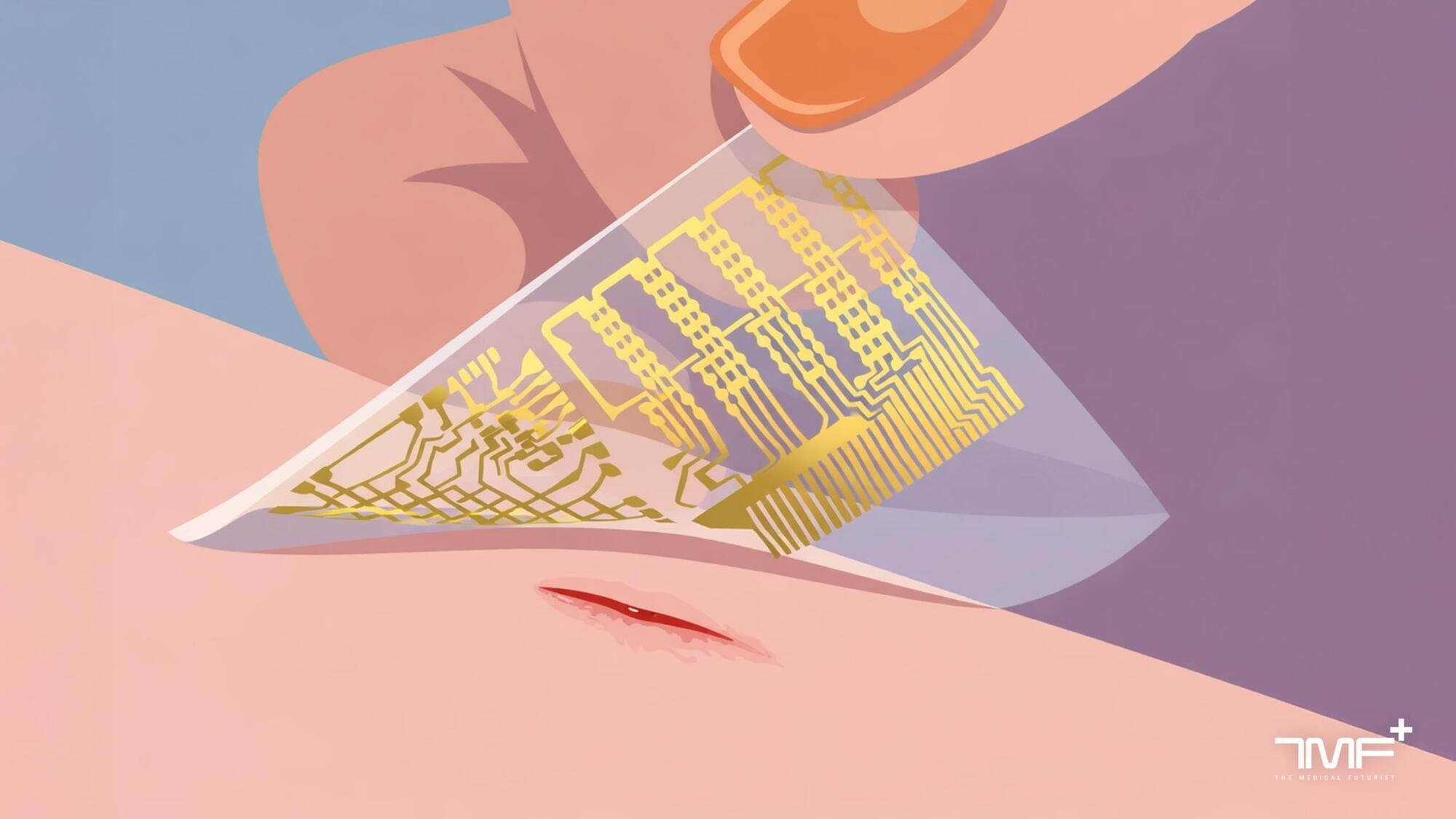
Unless you’ve been extremely lucky, you’ve likely been wounded, be it a knife cut while cooking or a sports injury. To remedy this unpleasant experience, you’ve taken some version of the following steps: clean the wound, disinfect the area, and apply a plaster or bandage. While a common and simple first-aid skill, this wound healing process has existed since ancient times.
Furthermore, there are wound cases, especially chronic wounds that arise from conditions such as diabetes, that can be more severe than one might expect. The 5-year survival rate of patients with chronic wounds is about 70%, which is worse than that of breast cancer, prostate cancer and other diseases. In addition, treating wounds adds to the cost of care, leading to about $28 billion per year in the U.S. alone.
Following the traditional use case, the main function of bandages for acute or chronic wound care has been to protect the injured area from external factors that could worsen the injury, such as dirt, bacterial infection and friction. Over the centuries since the inception of wound dressing, some changes have taken place. These have mostly related to the material of bandages, such as stronger-adhering waterproof ones; but the role of the bandage has retained its passive role.
In All Tomorrows by C. M. Kosemen, also known as Nemo Ramjet, humanity’s distant descendants are reshaped across millions of years into wildly divergent “post-human” species after being genetically engineered by the godlike alien Qu. These forms range from tiny, almost vermin-like organisms and sessile, colony-bound beings to aquatic leviathans, aerial gliders, and towering, heavily built giants as each adapted to extreme planetary environments and radically different evolutionary pressures. Some retain echoes of recognizable humanity, while others are so transformed they blur the line between animal, ecosystem, and living architecture. In this size comparison, we’ll explore the full spectrum of these post-human forms, from the smallest engineered remnants to the most massive macro-organic descendants.
Credits:
https://all-tomorrows.fandom.com/wiki/Qu.
https://speculativeevolution.fandom.com/wiki/All_Tomorrows.
FAIR-USE COPYRIGHT DISCLAIMER Copyright Disclaimer under Section 107 of the Copyright Act 1976, allowance is made for “fair use” for purposes such as criticism, commenting, news reporting, teaching, scholarship, and research. Fair use is a use permitted by copyright statute that might otherwise be infringing. Non-profit, educational or personal use tips the balance in favour of fair use. Nutbug does not own the rights to these videos and pictures. They have, in accordance with fair use, been repurposed with the intent of educating and inspiring others. However, if any content owners would like their images removed, please contact us by email [email protected]
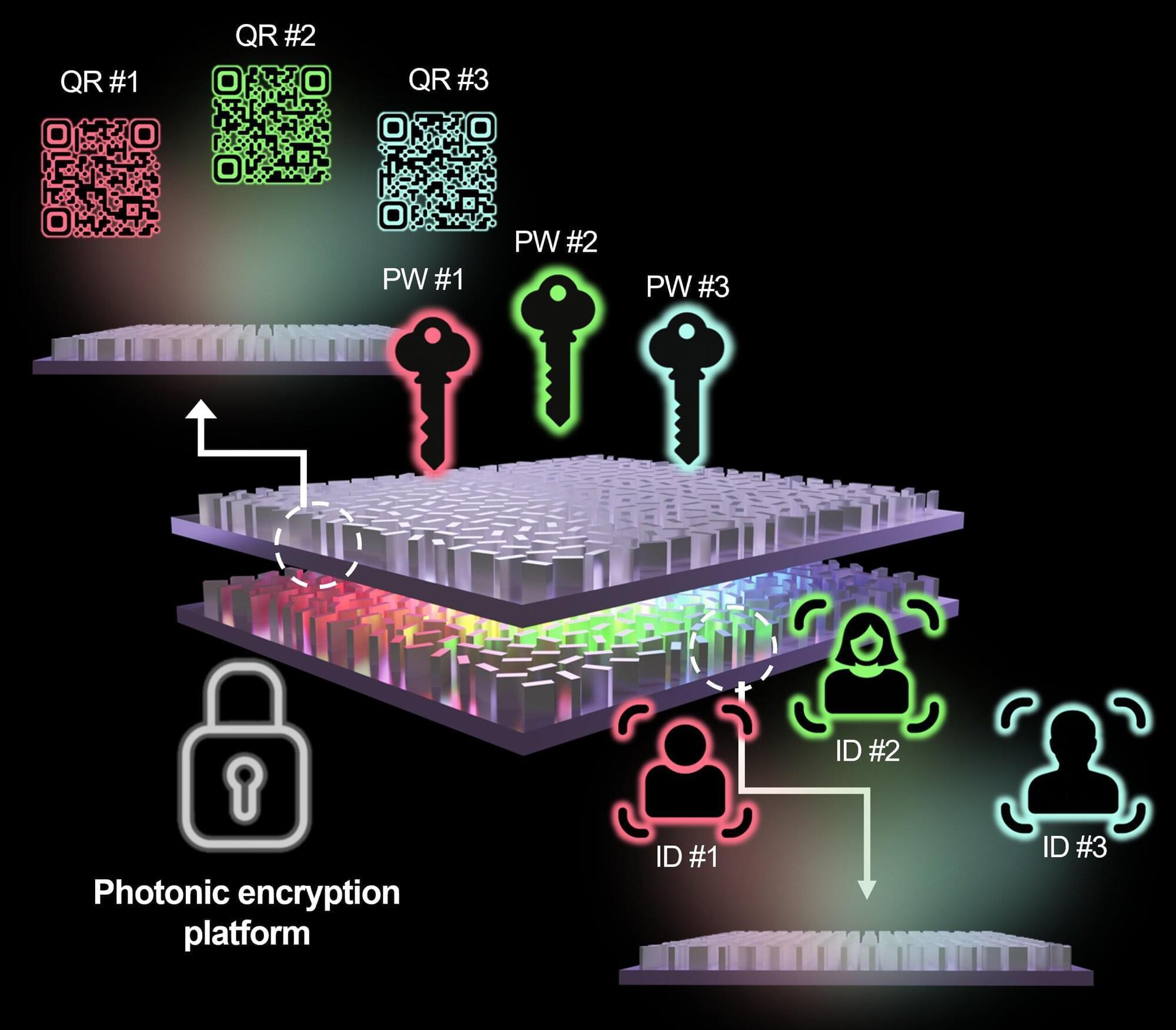
A research team led by Professor Junsuk Rho at POSTECH (Pohang University of Science and Technology) has developed a secure hologram platform that operates solely based on the wavelength of light and the spacing between metasurface layers. The technology makes hacking and counterfeiting virtually impossible, and is expected to be widely adopted for security cards, anticounterfeiting, and military communications. The paper is published in the journal Advanced Functional Materials.
With a growing number of hacking incidents and data breaches, the limitations of digital security are becoming increasingly evident. No matter how sophisticated an encryption scheme is, as long as it exists as code, it is difficult to completely eliminate the risk of intrusion. Motivated by this challenge, the team proposed a new approach that uses the physical conditions of light itself as a security key.
At the core of this innovation is the “metasurface,” an ultrathin optical device that arranges microscopic structures to control light. By illuminating a metasurface, a holographic image can be reconstructed in free space. However, conventional holograms have typically been limited in that a single device could store only one piece of information.
The findings add to a growing body of work suggesting that ape minds can imagine scenarios beyond the “here-and-now,” a skill once thought to be unique to humans. Human children begin playing pretend as early as 12 months old and master the ability to build imaginary worlds by age 3. Many high-level thinking tasks are possible only because we can imagine things that aren’t really there.
The study centered on Kanzi, a remarkable bonobo who could communicate using word-linked symbols called lexigrams. Amalia Bastos, a comparative psychologist at the University of St Andrews in Scotland, first met him in 2023. “We were starstruck by Kanzi,” she says.
During their first meeting, the bonobo used his lexigram-studded board to ask Bastos and a colleague to chase each other. Bastos noticed that even though they only pretended to play, Kanzi still enjoyed watching them. This kick-started a series of make-believe tests that Bastos and Christopher Krupenye, a psychologist at Johns Hopkins University, designed for Kanzi.
In the first of these tests, Kanzi sat at a table with two glasses. An experimenter pretended to pour a glass of “juice” — Kanzi’s tipple of choice — into both cups from a see-through empty jug. The experimenter then poured the nonexistent contents of one cup back into the jug, before asking Kanzi which cup still held the “juice.” Kanzi guessed correctly 68 percent of the time, significantly above chance, the researchers report.
The guesses, Bastos says, may not have been definitive evidence of Kanzi’s internal imagination. “Kanzi is an old bonobo. Maybe his vision isn’t very good. Maybe he thinks that there’s real juice in these things,” she says.
The researchers retested Kanzi to see if he could identify real from fake juice. They presented him with two cups: one containing orange juice and an empty one that they filled with pretend juice. When asked which cup he wanted, Kanzi picked the real juice nearly 80 percent of the time, suggesting he had little issue identifying his reward. A third test that mimicked the first, but with pretend grapes rather than juice, again suggested Kanzi understood where pretend food was located.