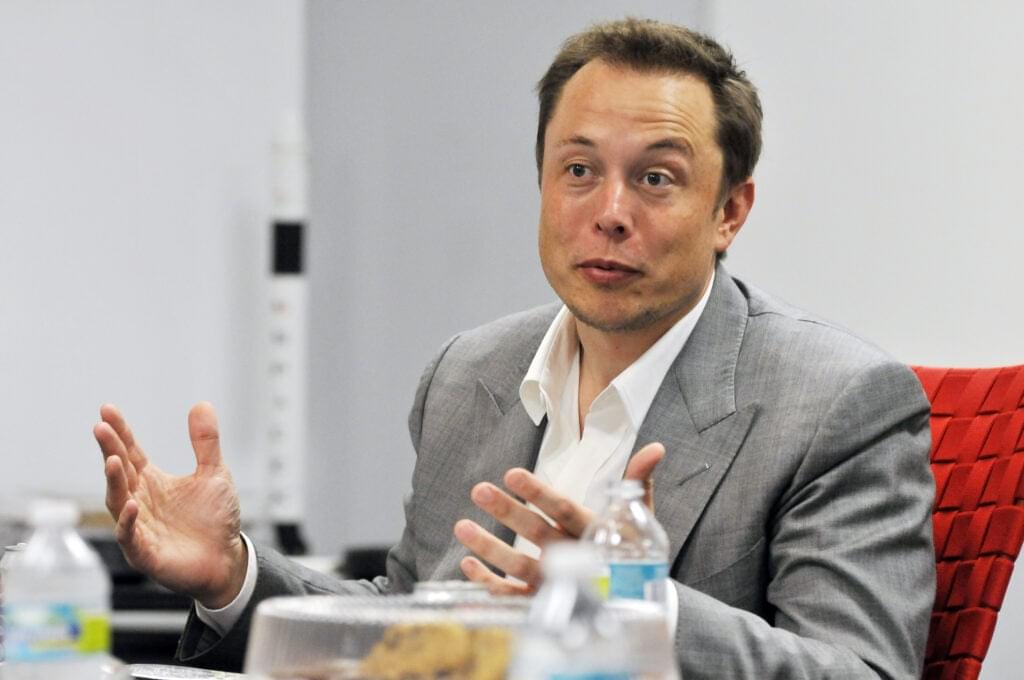
XAI has lost two cofounders and six other AI researchers in recent weeks as it has merged with SpaceX.

In a bold fusion of SpaceX’s satellite expertise and Tesla’s AI prowess, the Starthink Synthetic Brain emerges as a revolutionary orbital data center.
Proposed in Digital Habitats February 2026 document, this next-gen satellite leverages the Starlink V3 platform to create a distributed synthetic intelligence wrapping the planet.
Following SpaceX’s FCC filing for up to one million orbital data centers and its acquisition of xAI, Starthink signals humanity’s leap toward a Kardashev II civilization.
As Elon Musk noted in February 2026, ]
“In 36 months, but probably closer to 30, the most economically compelling place to put AI will be space.”
## The Biological Analogy.
Starthink draws from neuroscience: * Neural Cluster: A single Tesla AI5 chip, processing AI inference at ~250W, like a neuron group. * Synthetic Brain: One Starthink satellite, a 2.5-tonne self-contained node with 500 neural clusters, solar power, storage, and comms. * Planetary Neocortex: One million interconnected Brains forming a global mesh intelligence, linked by laser and microwave “synapses.”
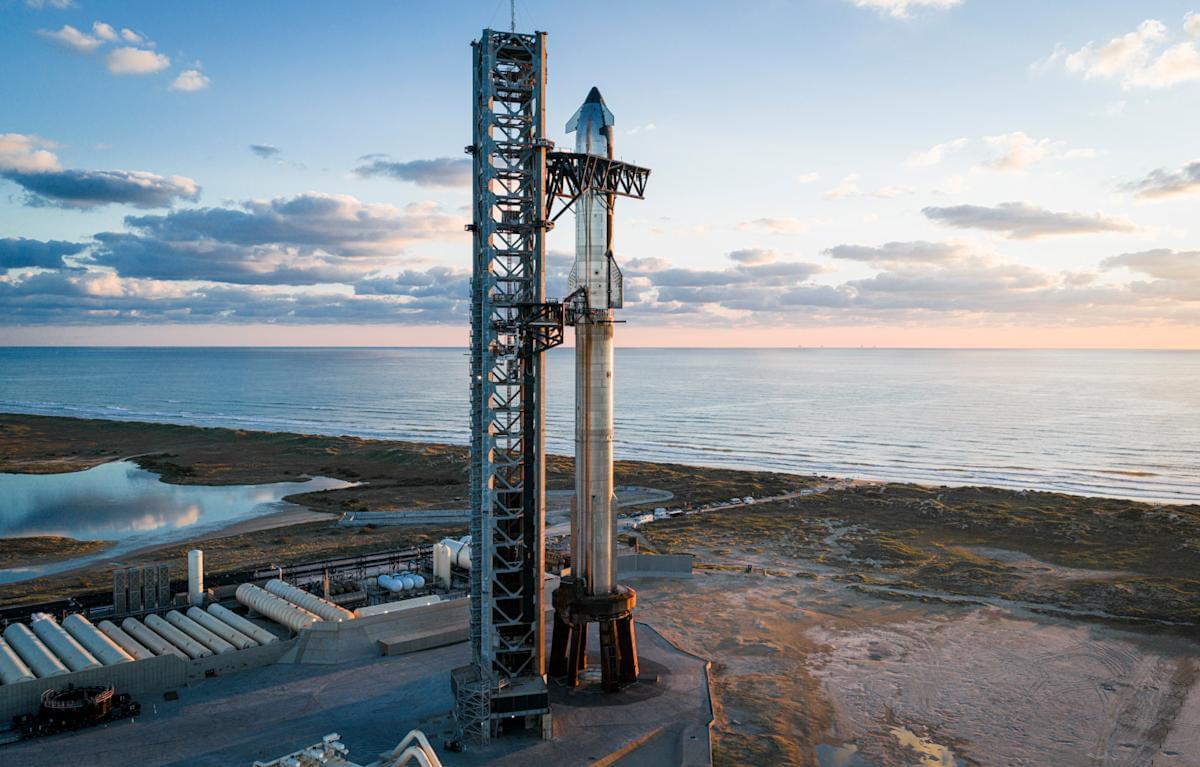
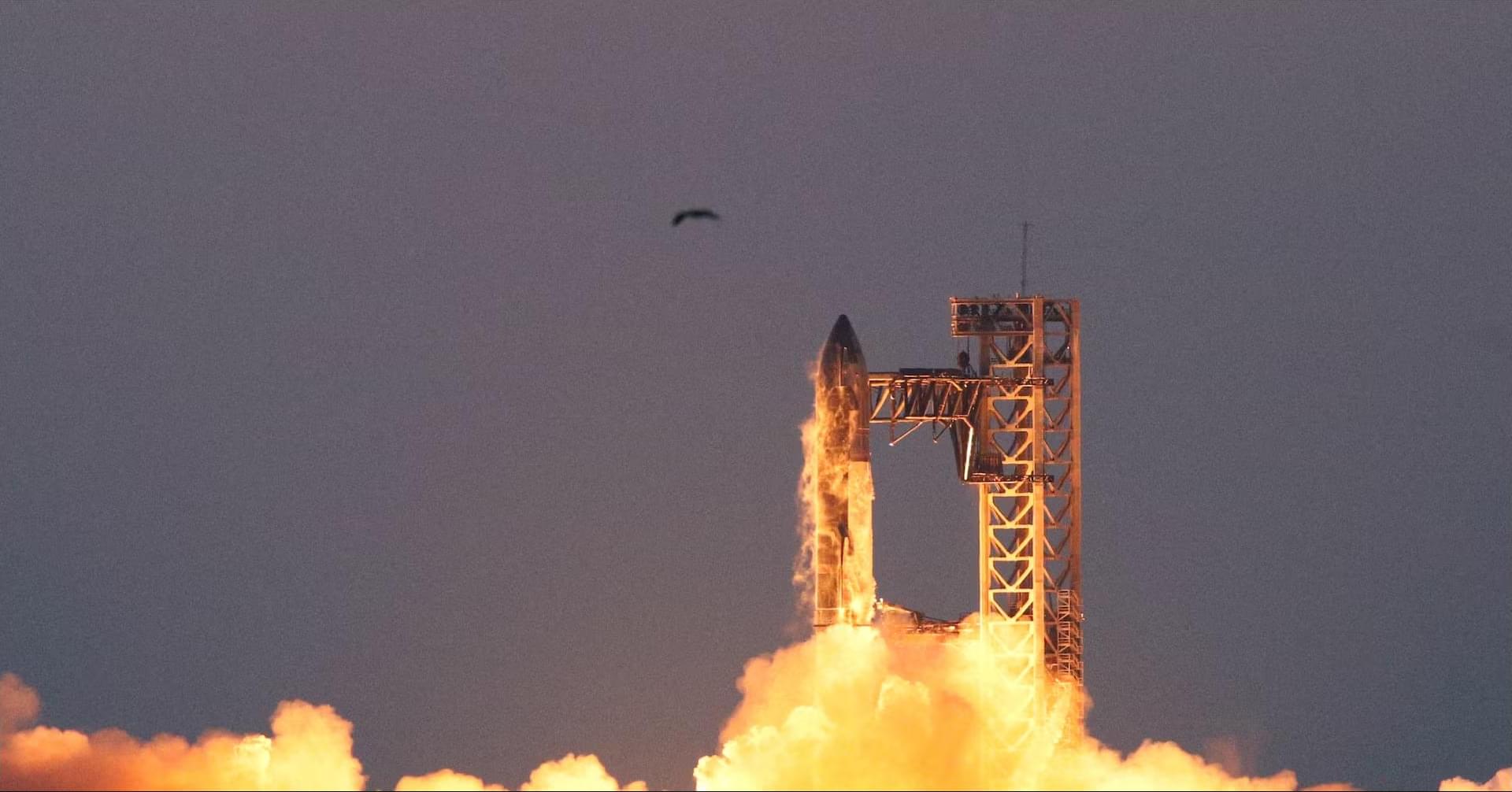

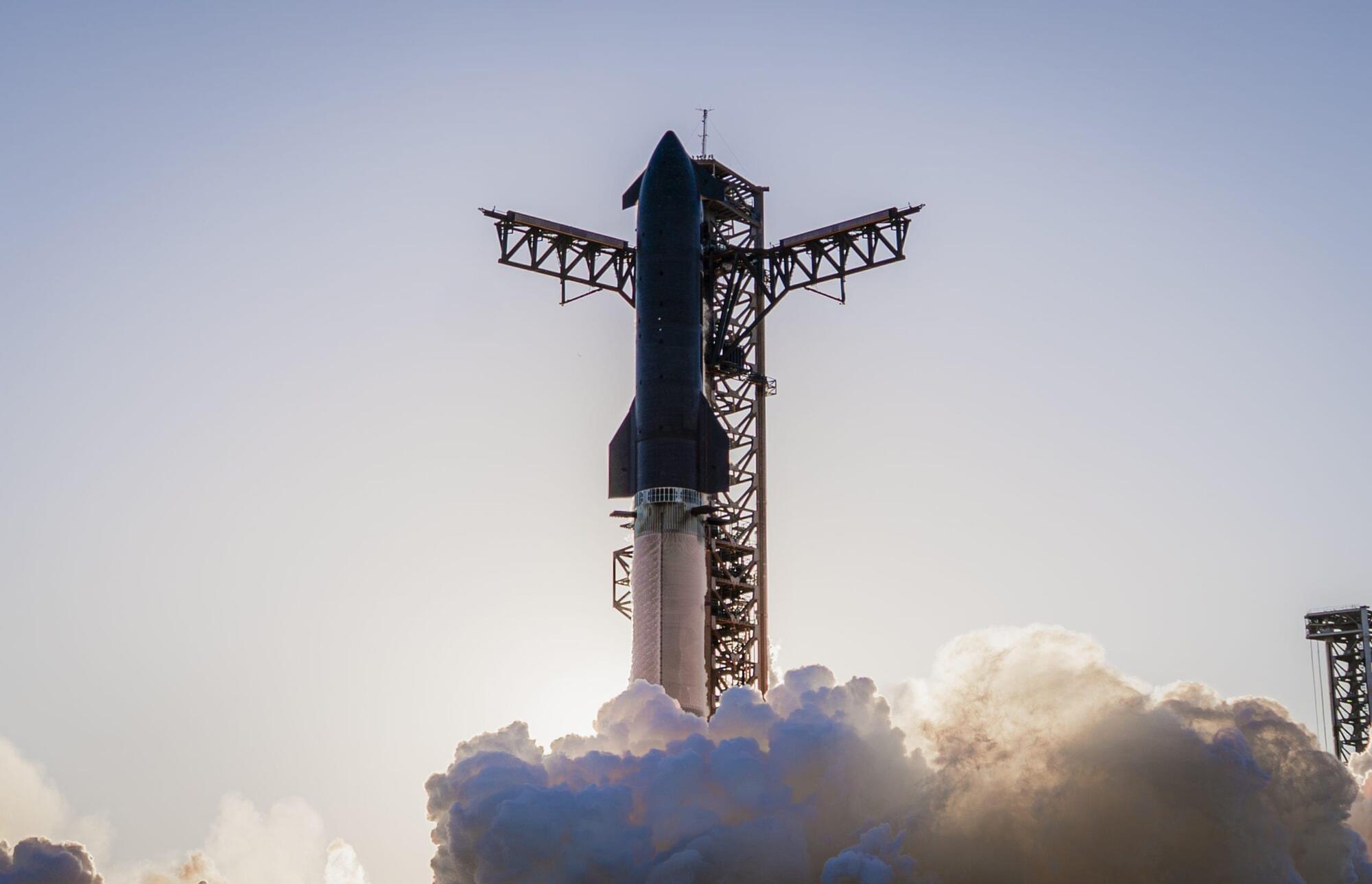
Elon Musk has announced that SpaceX’s next Starship launch, Flight 12, is expected in about six weeks. This suggests that the first flight of Starship Version 3 and its new Raptor V3 engines could happen as early as March.
In a post on X, Elon Musk stated that the next Starship launch is in six weeks. He accompanied his announcement with a photo that seemed to have been taken when Starship’s upper stage was just about to separate from the Super Heavy Booster. Musk did not state whether SpaceX will attempt to catch the Super Heavy Booster during the upcoming flight.
The upcoming flight will mark the debut of Starship V3. The upgraded design includes the new Raptor V3 engine, which is expected to have nearly twice the thrust of the original Raptor 1, at a fraction of the cost and with significantly reduced weight. The Starship V3 platform is also expected to be optimized for manufacturability.
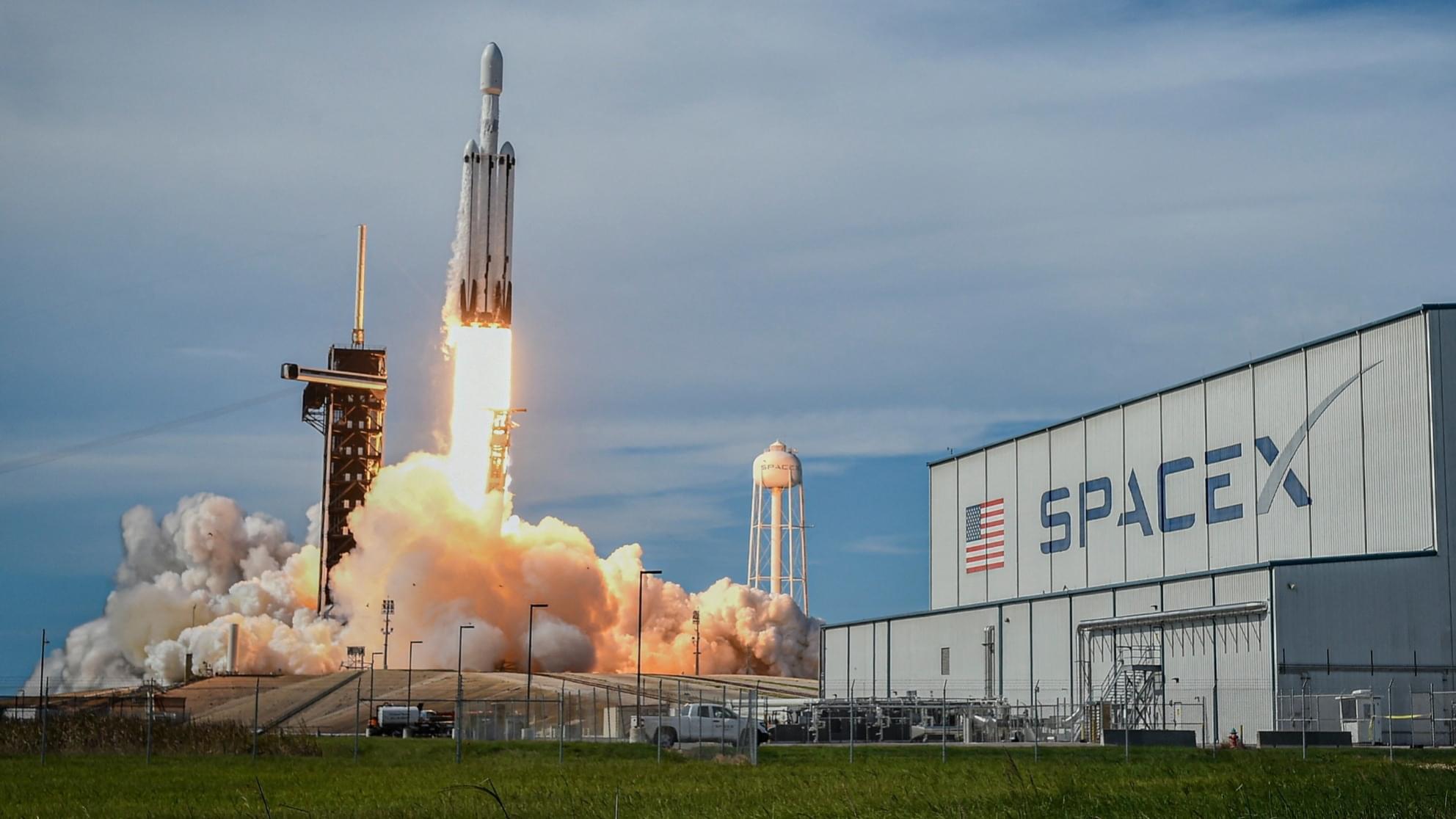
SpaceX is well-positioned to dominate the future of space AI due to its innovative technologies, scalable satellite production, and strategic partnerships, which will enable it to efficiently deploy and operate a massive network of satellites with advanced computing capabilities ## ## Questions to inspire discussion.
Launch Economics & Infrastructure.
🚀 Q: Why is Starship essential for space AI data centers? A: Starship enables 100-1000x more satellites than Falcon 9, making orbital AI economically viable through massive scaling and lower launch costs, while Falcon 9 remains too expensive for commercial viability at scale.
🛰️ Q: What is SpaceX’s deployment plan for AI satellites? A: SpaceX plans Starlink version 3 satellites with 100 Nvidia chips each, deploying 5,000 satellites via 100 Starship launches at 50 satellites per flight to create a gigawatt-scale AI constellation by early 2030s.
📈 Q: What launch cadence gives SpaceX its advantage? A: SpaceX plans 10,000 annual launches and produces satellites at 10-100x the level of competitors, creating a monopoly on launch and manufacturing that positions them as the gatekeeper to space AI success.
Energy & Power Systems.
Regulatory hurdles, rather than engineering challenges, are the main obstacles hindering the progress and success of Elon Musk’s companies, including SpaceX and Tesla.
## Questions to inspire discussion.
SpaceX Strategic Direction.
🚀 Q: Will SpaceX IPO due to defense contractor requirements? A: SpaceX’s expanding role as a defense contractor through projects like Star Shield increases IPO likelihood, as military requirements typically favor public companies for transparency and accountability according to Palmer Luckey.
🛰️ Q: How is SpaceX enabling freedom of information in restricted regions? A: Starlink has provided unfiltered internet access to Iranians since 2022 in coordination with the US government, successfully resisting signal jamming attempts and enabling freedom of information during protests.
💰 Q: What investment level is the space economy attracting in 2025? A: The space economy attracted $2.2 trillion in private investment in 2025, driven by SpaceX’s success, but viability of speculative models like space hotels and mining depends entirely on Starship’s cost and reliability.