Toggle light / dark theme

Chinese researchers working on a car driven by your brain

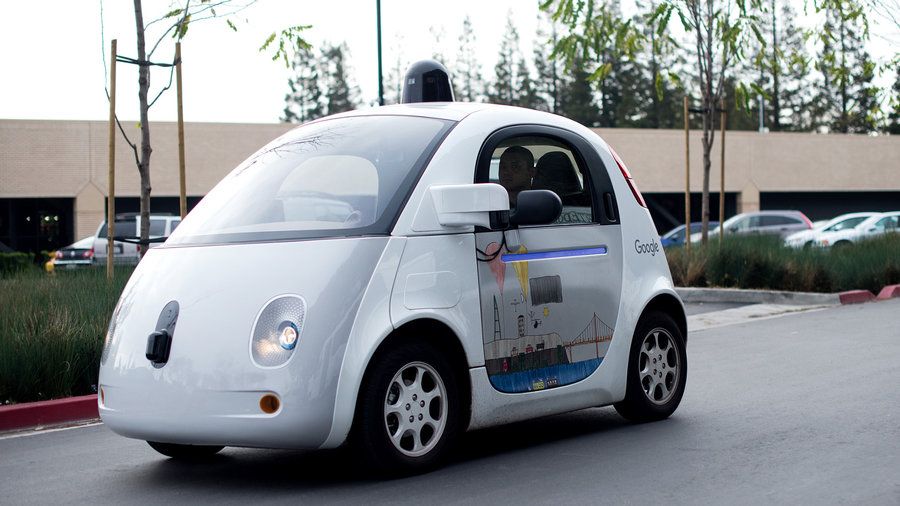
If human-less self-driving cars of the future creep you out, then this latest experimental automotive technology from China might offer you some respite. Or freak creep you out even more. Researchers from the port city of Tianjin have revealed what they claim is the country’s first ever car to be driven without the use of human hands or feet but with a driver still in control. All it takes is some brain power. And some highly specialized equipment, of course.

Mind-reading devices aren’t actually new. In fact, many companies and technologies make that claim year after year, but few have actually been able to deliver an actual consumer product, with most successful prototypes designed for therapeutic or medical uses. The theory, however, is the same throughout. Sensors read electroencephalogram or EEG from the wearer’s brain. These are then interpolated and interpreted as commands for a computer. In this case, the commands are mapped to car controls.

The application of direct brain control to driving is a two-edged sword. On the one hand, removing the delay between brain to muscle movement, which sometimes can be erroneous, could actually lead to better driver safety. On the other hand, given how easily drivers can be distracted even while their hands are on the wheel, the idea is understandably frightening to some.

Read more

California firm Hyperloop to test engine in southern Nevada

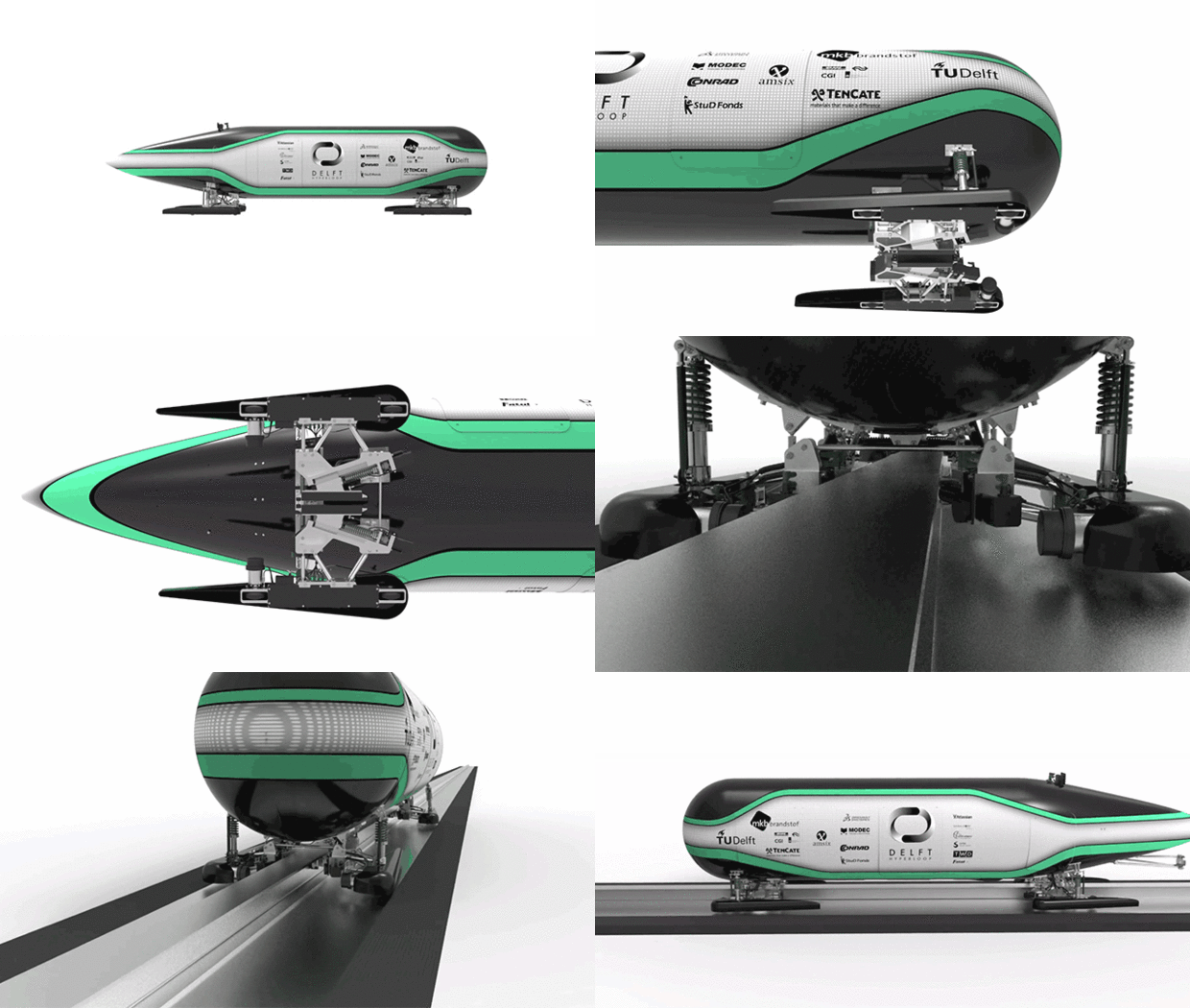
A California company with visions of building a futuristic transportation system to one day zip people and packages at nearly the speed of sound announced Tuesday it is building a test facility in southern Nevada.

Hyperloop Technologies Inc. and the Nevada governor’s office said the 50-acre facility at a fledgling North Las Vegas business park will test a linear electric motor at speeds of about 335 mph—about half the speed envisioned in a full-scale system.

“This decision represents another major milestone in our journey to bring Hyperloop to commercial reality,” Rob Lloyd, CEO of the Los Angeles-based company, said in a statement.

Read more

Beyond ‘Back to the Future’: Experts Serve Up Tech Predictions for 2045

Just How Much Did ‘Back to the Future’ Get Right about October 2015? 2:19.

In “Back to the Future Part II,” Marty McFly and Doc Brown travel from 1985 to October 21, 2015, to find a world filled with flying cars, hoverboards and self-drying jackets.

Those predictions didn’t exactly pan out, although people are working on each of those concepts. (Screenwriter Bob Gale did get a lot of things — from drones to fingerprint scanners — right, as he told TODAY earlier this year.)

Read more

/* */