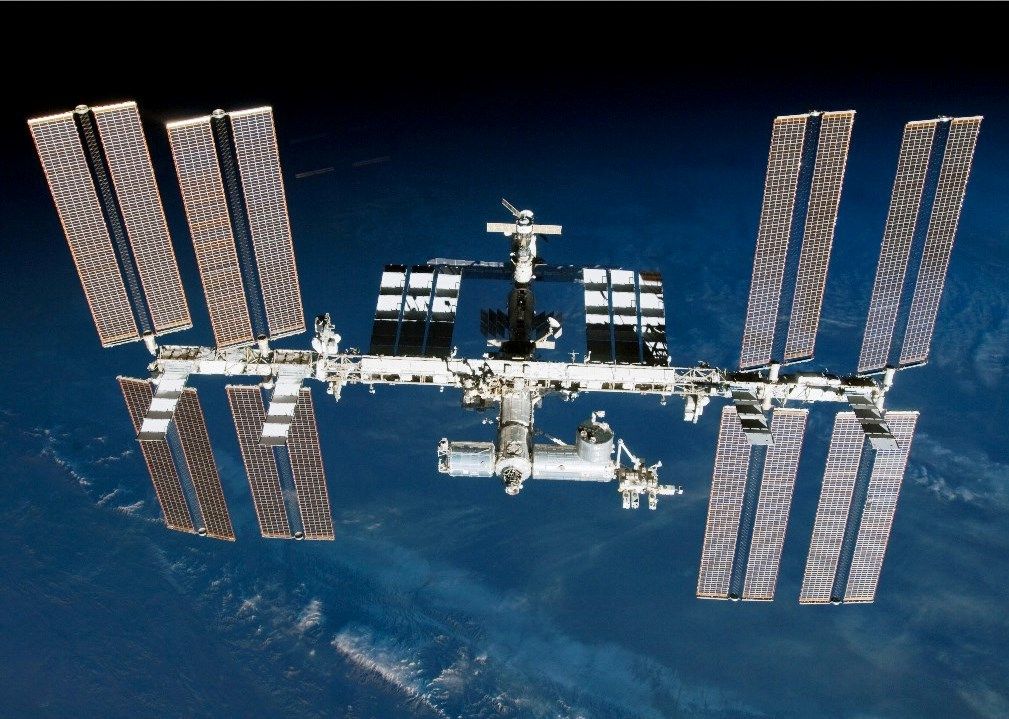
SpaceX Falcon 9 v1.1 rocket with NASA CRS 7 Dragon launches from Cape Canaveral Air Force Station’s Space Launch Complex 40 in Florida photo credit Carleton Bailie SpaceFlight Insider.
Category: space – Page 1,254
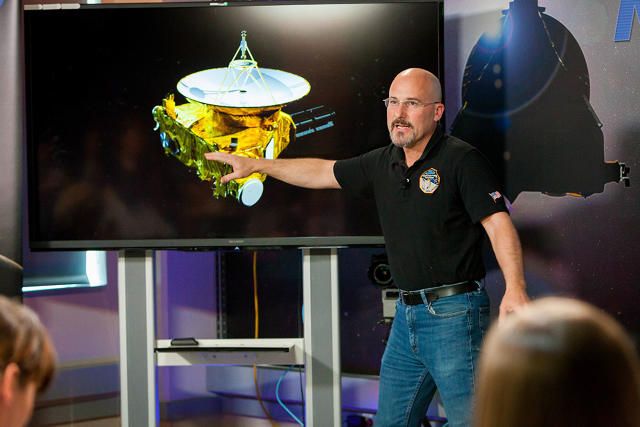
How to plan the ultimate long-term project, from the team who got us to Pluto — By Daniel Terdiman | Fast Company
One thing you don’t expect when planning a nine-year mission to the most distant planet in our solar system is the eventuality that Pluto might not be a planet once you got there.
Yet that’s exactly what went down in 2006. That January, NASA launched its unmanned New Horizons probe, a baby grand piano-sized, 1,054-pound spacecraft, on the first-ever route to Pluto. Then, in August 2006, the International Astronomical Union demoted Pluto to the diminutive status of “dwarf planet.”

Lifting the Veil on Pluto’s Atmosphere
Sophia Nasr is a science writer for Simulation Curriculum’s free Pluto Safari app. You might guess that a small and distant world almost 40 times farther from the sun than the Earth is from the sun would not have an atmosphere, but in the case of Pluto, you’d be wrong. In fact, Pluto is a complex world, particularly when it comes to weather patterns.

Pluto’s Mysterious Dark Splotches Come Into Focus
At this point, it’s safe to say that we’re going to be receiving a new ‘highest resolution image ever’ of Pluto on a close to 24 hour basis. Yesterday, we got our first peek at geologic features on the dwarf planet’s surface. And today, New Horizons beamed back the best image to date of four mysterious dark splotches near Pluto’s south pole.
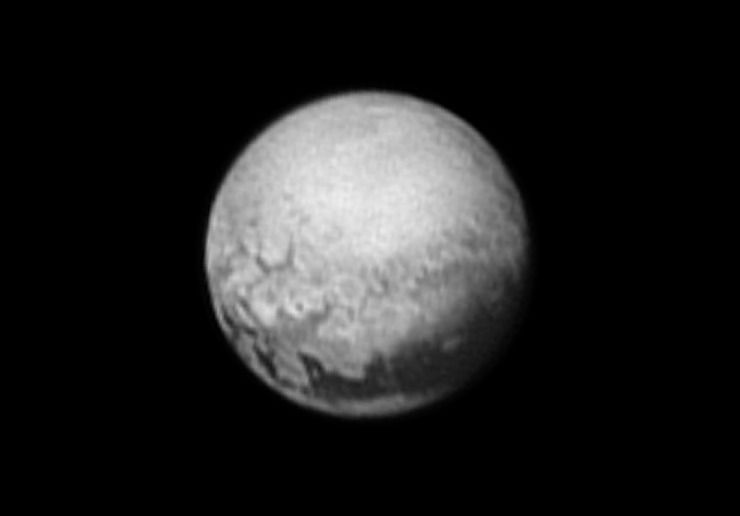
New Horizons Update: Latest Pluto Images Reveal ‘Tantalizing’ Surface Features
After a journey of over nine years, NASA’s New Horizons spacecraft is finally close enough to discern surface features on the cold, dwarf planet.

Secrets of Bear Hibernation Could Help Us Get to Mars
By studying bears’ months-long lethargy, scientists may have stumbled on a way to prevent astronauts’ bone loss.
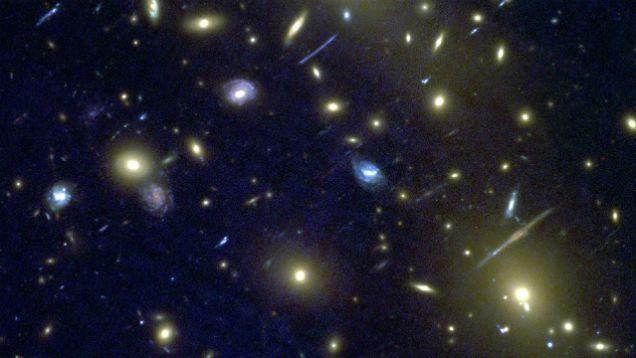
For the First Time an AI Machine Identified Galaxies All on Its Own
Researchers in the UK have developed a computer that can scan outer space and classify galaxy types on its own, without any human help. This image recognition AI could help develop robots that can “see” better on their own, possibly helping doctors spot tumors or airport security spot firearms.

Pluto’s Odd Dark Spots Continue to Puzzle Scientists (Photos)
The images reveal a great deal of variation and complexity across Pluto’s surface — including the four large dark patches near the equator first spotted by New Horizons late last month. “This object is unlike any other that we have observed,” New Horizons principal investigator Alan Stern, of the Southwest Research Institute in Boulder, Colorado, said during a news briefing today (July 6). New Horizons captured the new photos last Wednesday (July 1) and Friday (July 3), shortly before suffering a glitch that sent it into a precautionary “safe mode” on Saturday (July 4).
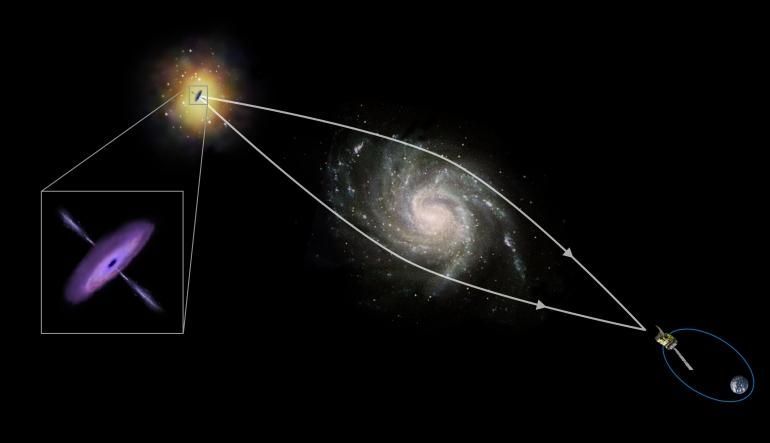
Using the gravity of the universe to peer into a black hole
Researchers at the European Space Agency harness the natural lensing properties of cosmic gravity to get a closer look at a black hole.
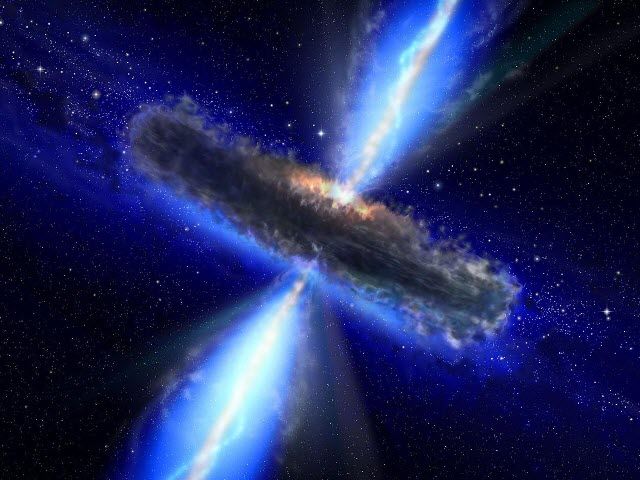
Hidden supermassive black holes revealed
An artist’s illustration of a signs of a supermassive black hole actively feasting on its surroundings. The central black hole is hidden from direct view by a thick layer of encircling gas and dust. (credit: NASA/ESA)