Space tourism … and much more.
Copyright ©2016 Parabolic Arc.

Gone are the days for US Tech on quick and easy money — China is making the US Tech face the realities of being relevant or being replaced. My suggestion for folks like Apple, Microsoft, FB take a chapter from Alphabet’s playbook and focus on those technologies that truly revolutionize the technology landscape, multiple industries, etc. Stop throwing money at gadgets and easy replicated apps and services. Let China own it because eventually they will. Focus on things like biocomputing, QC, space, etc. Because anything copied multiple times and quickly means it is easily replaced by the next cheaper and better gadget.
The recent Uber acquisition drama in China has given a new twist to the country’s technology sector.
Domestic tech companies are straining at the leash to go global while also defending their home markets from foreign competitors.
Even before the Didi/Uber battle unfolded, China’s tech firms were making waves. The global industry has been anxiously watching to see if the Chinese behemoths play a big part in the mergers and acquisitions game as they look to gulp down foreign companies. Home-grown giants such as Alibaba, and Tencent with its WeChat platform, have expanded across several countries although they still have a long road to travel before making worldwide impact.
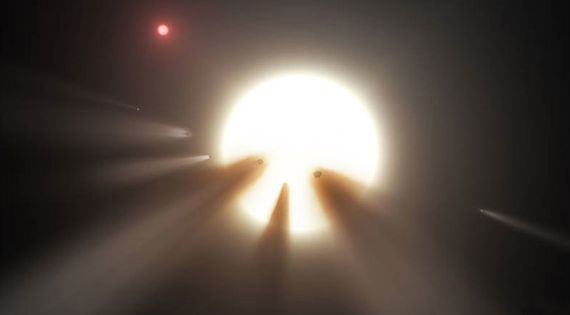
And honestly, even if this isn’t an Alien Structure of some kind, it won’t be long before we DO spot some form of alien mega-structure somewhere in this galaxy of ours. I wouldn’t be surprised to find out that we ALREADY have, but mistook it for a natural structure of some kind.
The leading natural explanation for the ‘alien megastructure’ star has been discredited, leaving ET as a viable possibility.

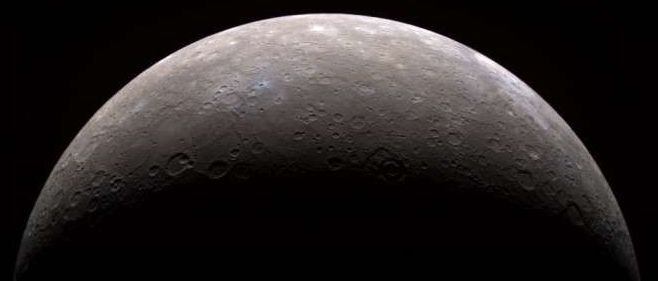
Humanity has long dreamed of establishing itself on other worlds, even before we started going into space. We’ve talked about colonizing the Moon, Mars, and even establishing ourselves on exoplanets in distant star systems. But what about the other planets in our own backyard? When it comes to the solar system, there is a lot of potential real estate out there that we don’t really consider.
Well consider Mercury. While most people wouldn’t suspect it, the closest planet to our sun is actually a potential candidate for settlement. Whereas it experiences extremes in temperature – gravitating between heat that could instantly cook a human being to cold that could flash-freeze flesh in seconds – it actually has potential as a starter colony.
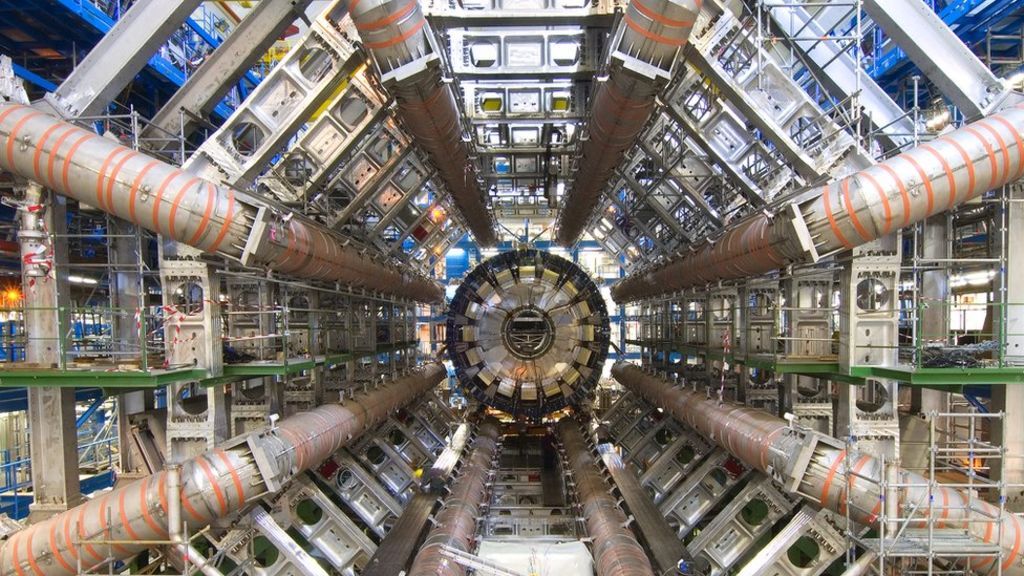
Hopes for the imminent discovery of a particle that might fundamentally change our understanding of the Universe have been put on hold.
Results from the Large Hadron Collider show that a “bump” in the machine’s data, previously rumoured to represent a new particle, has gone away.
The discovery of new particles, which could trigger a paradigm shift in physics, may still be years away.
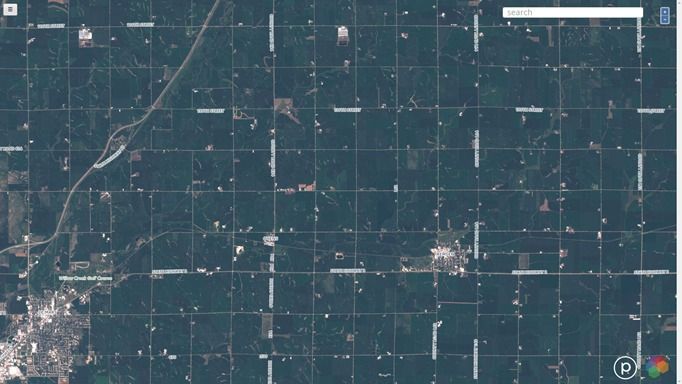
“Instead, Descartes relies on 4 petabytes of satellite imaging data and a machine learning algorithm to figure out how healthy the corn crop is from space.”
Exciting news today about the new smaller reprogrammable QC discovery; however, in China.
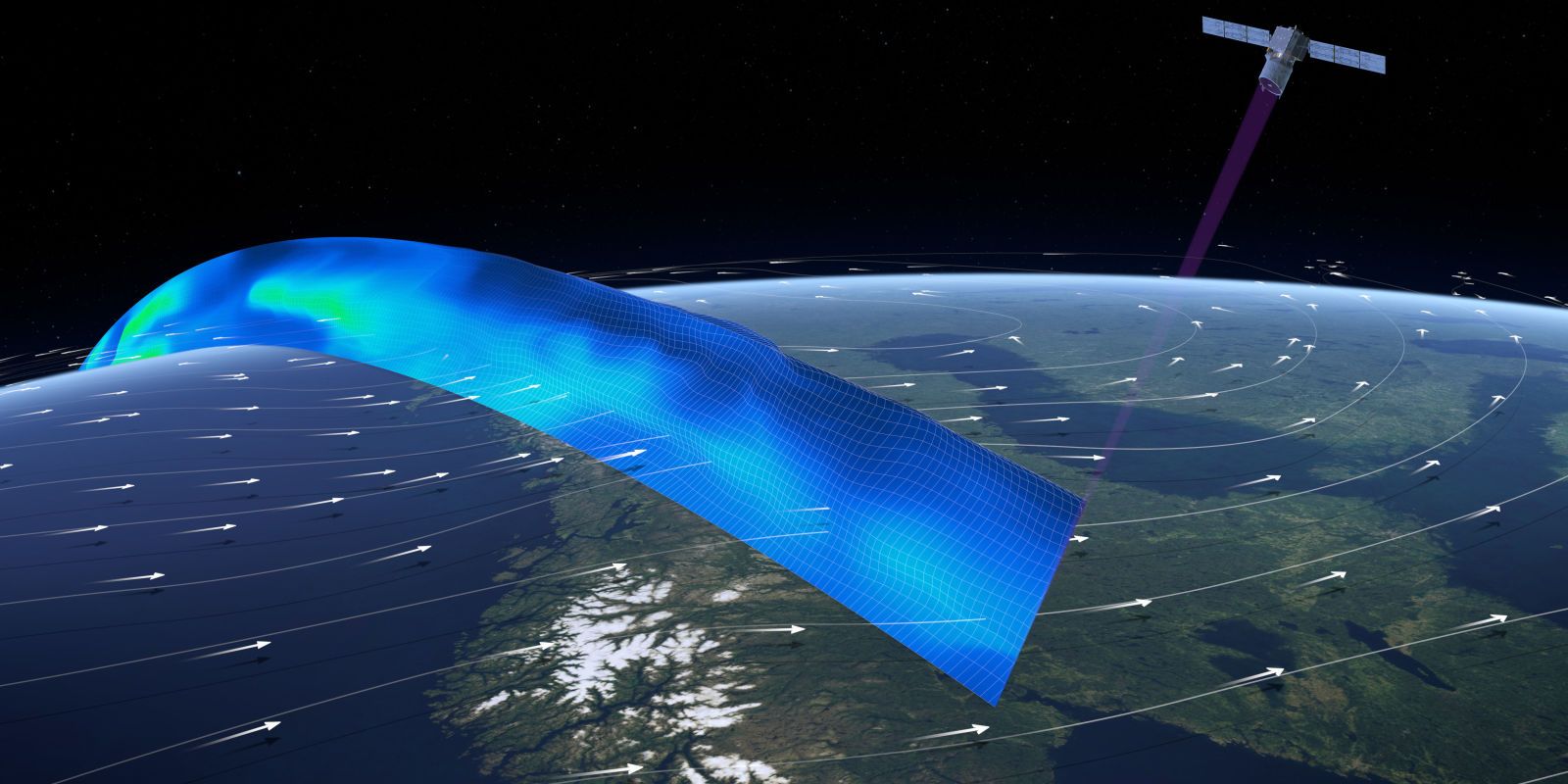
Scientists in China are set to launch the world’s first ‘quantum satellite,’ which could one day make for an ultra-secure global communications network.
The 1,300 pound craft contains a crystal that produces pairs of entangled photons, which will be fired to ground stations in China and Austria to form a ‘secret key.’
Entangled photons theoretically maintain their link across any distance, and according to the scientists, any attempts to breach this type of communication would be easily detectable.