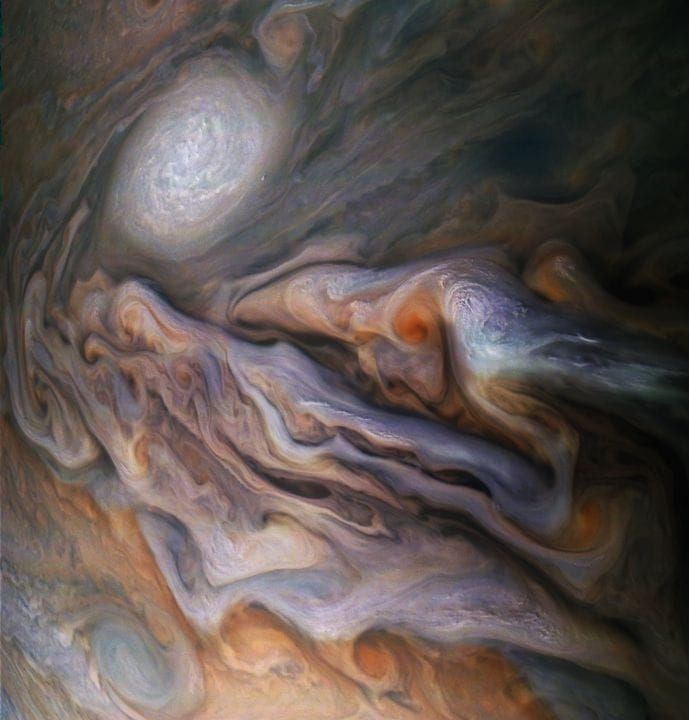
11.08.18 JOVIAN CLOSE ENCOUNTER A multitude of magnificent, swirling clouds in Jupiter’s dynamic North North Temperate Belt is captured in this image from NASA’s Juno spacecraft. Appearing in the scene are several bright-white “pop-up” clouds as well as an anticyclonic storm, known as a white oval. This color-enhanced image was taken at 1:58 p.m. PDT on Oct. 29, 2018 (4:58 p.m. EDT) as the spacecraft performed its 16th close flyby of Jupiter. At the time, Juno was about 4,400 miles (7,000 kilometers) from the planet’s cloud tops, at a latitude of approximately 40 degrees north. Citizen scientists Gerald Eichstädt and Seán Doran created this image using data from the spacecraft’s JunoCam imager. JunoCam’s raw images are available for the public to peruse and to process into image products at: https://www.missionjuno.swri.edu/news/jovian_close_encounter. Image Credits: NASA/JPL-Caltech/SwRI/MSSS/Gerald Eichstädt/Seán Doran. Απολαύστε το φως.
Category: space – Page 1,066
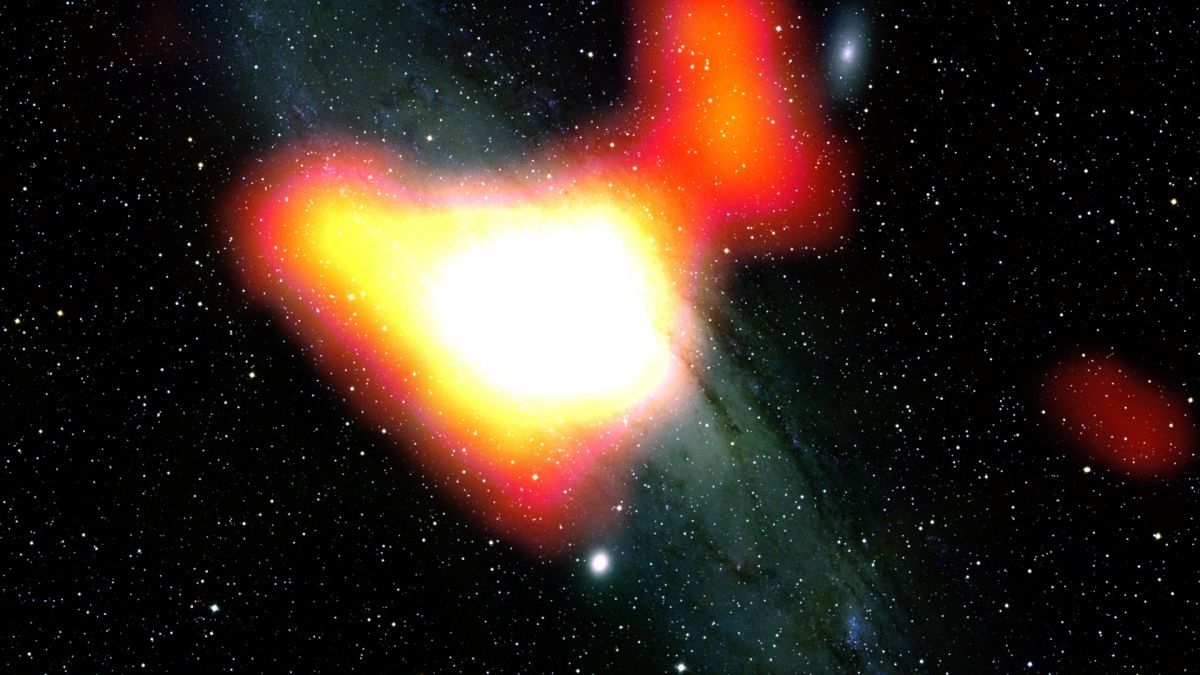
Earth Is Getting Hit by Too Much Antimatter, and Nobody Knows Why
Amid the high speed cosmic rays raining down on us from the depths of space are a handful of antimatter particles called positrons.
Astronomers think that Earth is showered by these ‘anti-electrons’ because of pulsars, but there’s a weird catch – there are more of these particles coming at us than there should be. And now, thanks to a new study, we might finally get some answers.
Cosmic rays are incredibly fast particles, since they’re being shot down from space at high energies. Positrons make up a small percent of these super speedy particles, but nobody is entirely sure where or how they’re made.

Three asteroids will fly dangerously close to Earth this weekend, NASA warns
You might want to head to the pub and wait for this to all blow over.
The biggest of the three is predicted to be up to 30 metres wide.
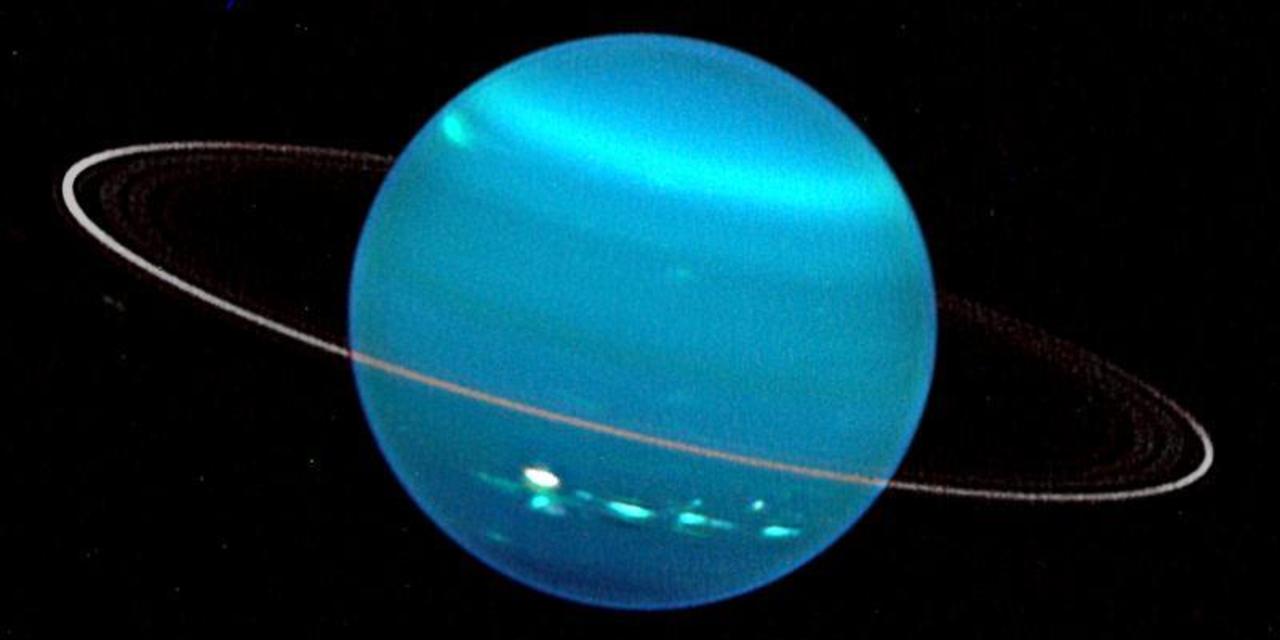
NASA Wants To Probe Uranus In Search Of Gas
We hear a lot about Mars, Jupiter, and Saturn, and that’s because we have extremely fancy hardware floating around and, in some cases, cruising on the surface of those planets. The planets that lie further away from the Sun don’t get nearly as much attention, but they may soon, as NASA is currently spitballing some missions that will give us a better look at Uranus than we’ve ever gotten.
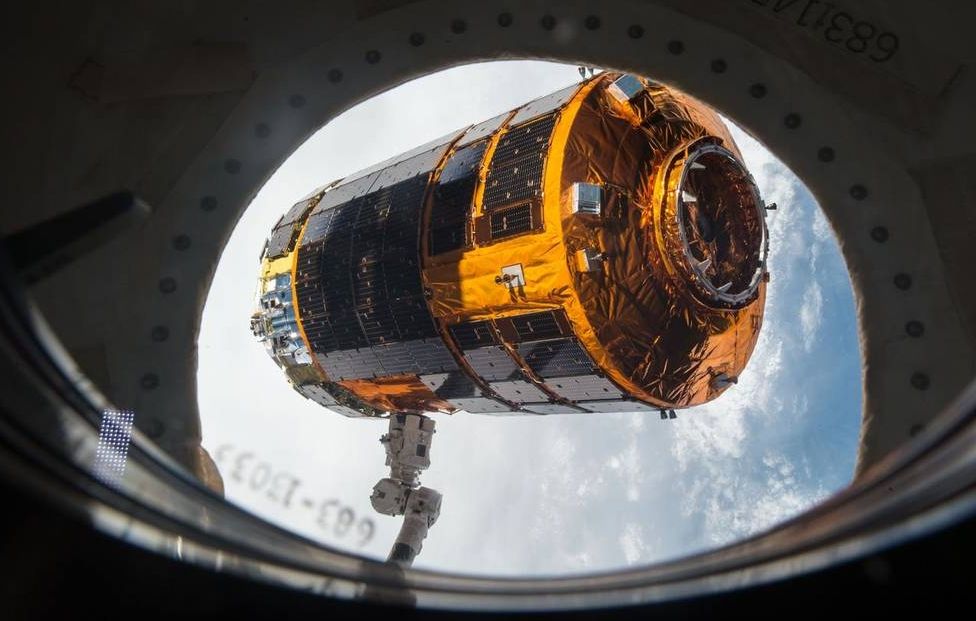
Watch a spacecraft leave the International Space Station
After delivering more than five tons of supplies, water, spare parts and experiments, a Japanese cargo spacecraft bids farewell to our orbiting laboratory. Live coverage begins at 11:30 a.m. EST. Details: https://go.nasa.gov/2qz6rOs
Electrical properties of dendrites help explain our brain’s unique computing power
We humans are intelligent, other living species are also intelligent but we build bridges and cars, we describe the universe and develop several languages while other species don’t. Well it seems the reason is that: we have a different hardware.
Neurons in human and rat brains carry electrical signals in different ways, scientists find.
LIVE LAUNCH: NASA’s ICON Probe
Click on photo to start video.
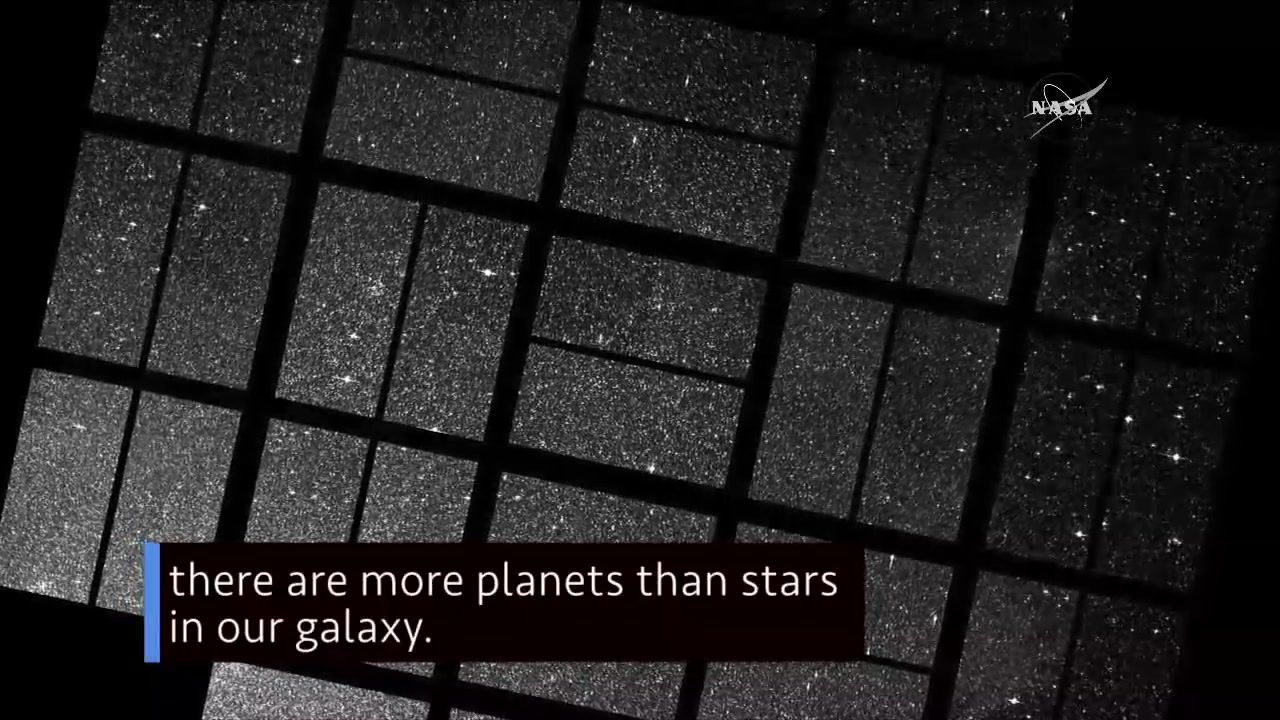
For our space fans who are night owls, join us at 2:45 a.m. as NASA streams the launch of the ICON probe. The probe will study the zone where our terrestrial atmosphere meets space.
Could Solar Radiation Pressure Explain ‘Oumuamua’s Peculiar Acceleration?
Abstract: ‘Oumuamua (1I/2017 U1) is the first object of interstellar origin observed in the Solar system.
Recently, Micheli et al. (2018) reported that ‘Oumuamua showed deviationsfrom a Keplerian orbit at a high statistical significance.
NASA’s mission to ‘Touch the Sun’ just reached its first major milestone with close flyby
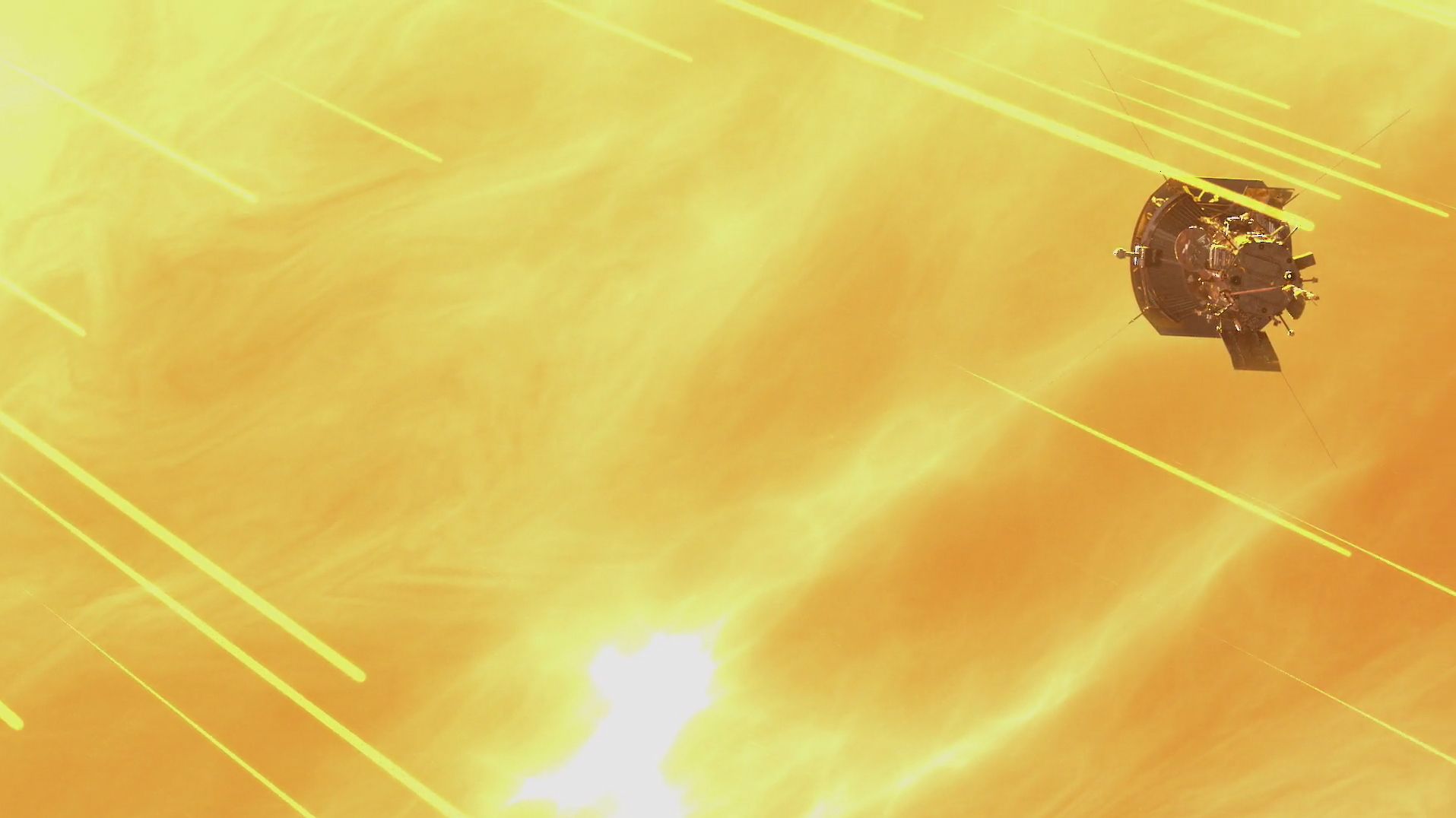
It’s been a busy month for the Parker Solar Probe which, if you haven’t been keeping track, is currently moving faster than any man-made object ever and also closer to the sun than anything humans have ever built. The spacecraft launched a couple of months back, but it’s finally ready to do some science, and it just made it first close pass by our Sun, which is obviously cause for celebration.
The probe, which will make dozens of passes of the star, achieved its closest distance of this particular loop (called “perihelion”) on Monday night. Now, its handlers back on Earth are eagerly awaiting word from the craft so that it can share whatever information it has gathered.
Ron Howard: Creating vision of a future Mars colony
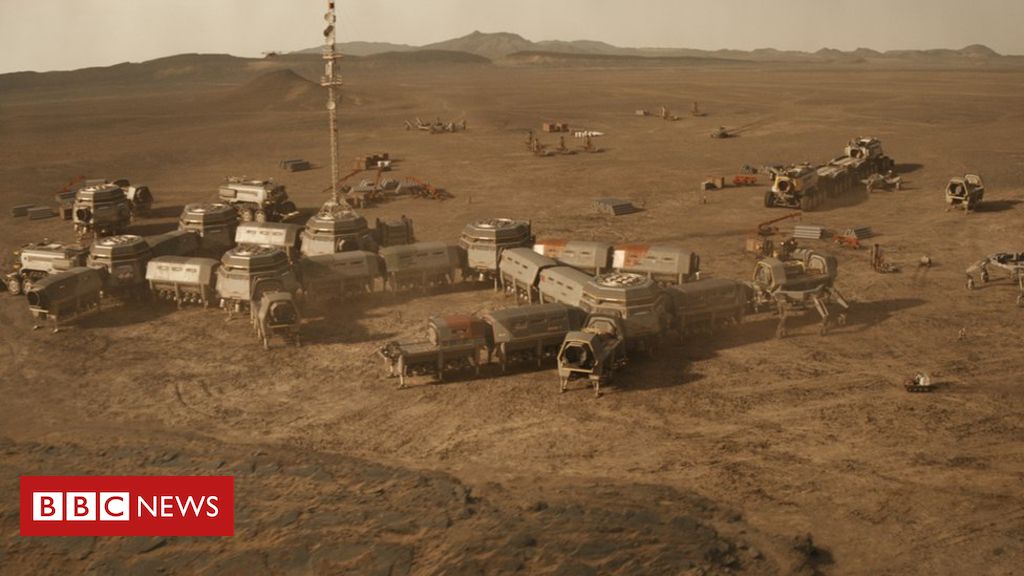
To mark the second season of the television series Mars, Hollywood director Ron Howard talked to the BBC about creating a realistic depiction of the first human colonies on the Red Planet.
If humankind is to expand out into the Universe, then Mars is likely to be our first stepping stone. With an atmosphere largely consisting of carbon dioxide and temperatures that vary between 20C and −125C, the Red Planet isn’t exactly ideal for human occupation.
We’d have to adapt to living almost entirely within sealed habitats — so outdoors-y types need not apply.