Toggle light / dark theme

What Growing Up On Mars Would Do to the Human Body

An enjoyable article exploring the science of reproduction in space. I appreciate the genuine curiosity and hopeful outlook here!


The annual SXSW conference in Austin, Texas, can be a bit overwhelming. What started as a fairly modest four-day music festival in 1987, drawing some 700 attendees, has become a ten-day extravaganza of panel presentations featuring celebrities and business leaders, film screenings, technology showcases, and—yes—music. These days hundreds of thousands of people converge on downtown Austin for “South By,” as it’s called by those in the know. When I was a graduate student at the University of Texas in the early 2000s, I always avoided the festival and its inevitable crowds, which was relatively easy to do since it tended to be held the same week as the university’s Spring Break.

Article continues after advertisement.

But when I received an invitation in 2023 to attend a SXSW panel presentation with the title “Sex in Space: Sex and Reproduction Beyond Earth,” I knew I had to go. After all, any plans to create a permanent settlement on Mars or elsewhere in space wouldn’t last long if we can’t have kids there.
Why chronic pain lasts longer in women: Immune cells offer clues

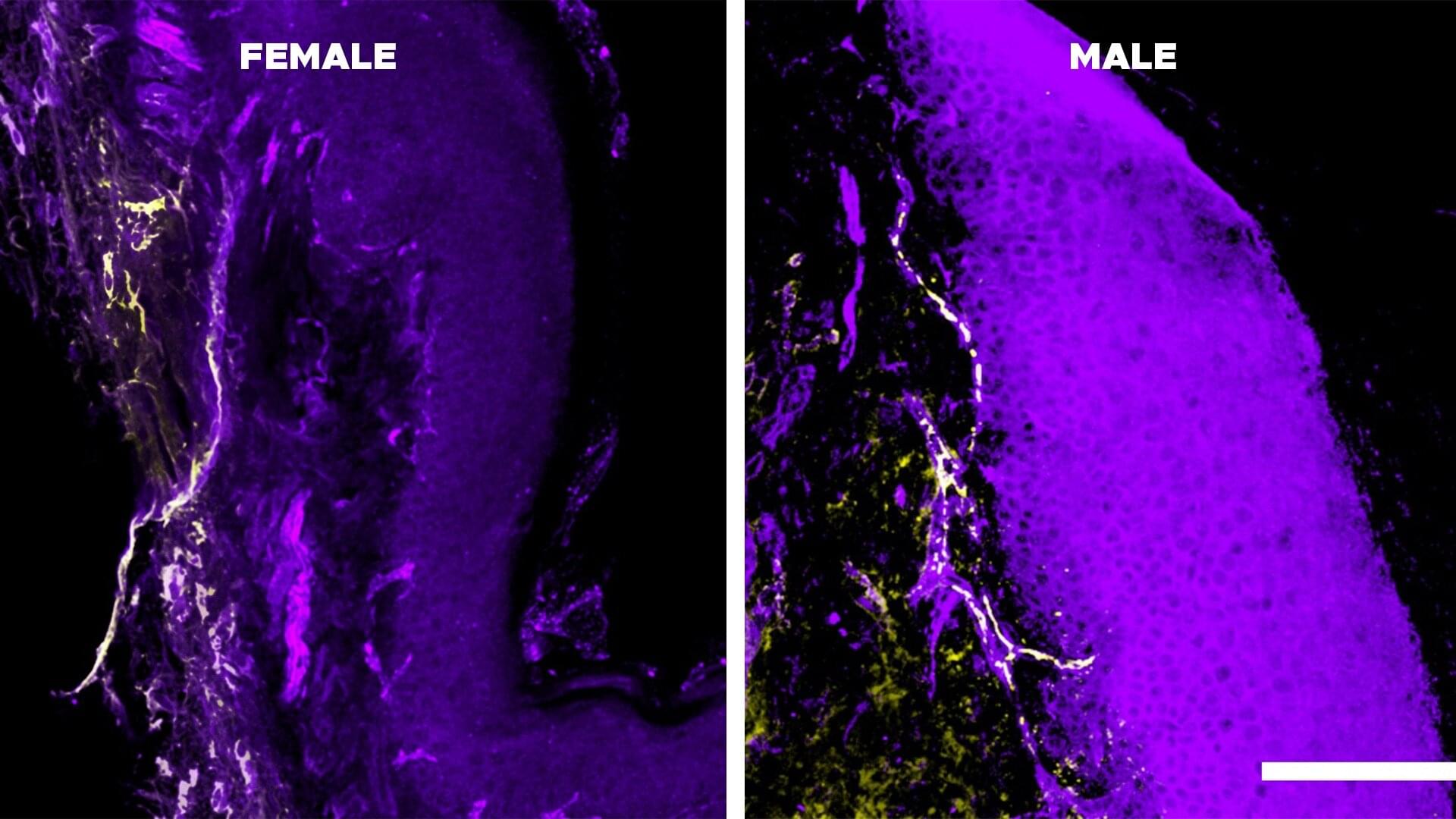
Chronic pain lasts longer for women than men, and new research suggests differences in hormone-regulated immune cells, called monocytes, may help explain why.

In a new paper in Science Immunology, researchers at Michigan State University found a subset of monocytes release a molecule to switch off pain. These cells are more active in males due to higher levels of sex hormones such as testosterone, the team found.

Females, however, experienced longer-lasting pain and delayed recovery, because their monocytes were less active. Geoffroy Laumet, MSU associate professor of physiology, and Jaewon Sim, a former graduate student in his lab, discovered the same pattern in both mouse models and human patients.

Smartwatch and Hypertension Notification

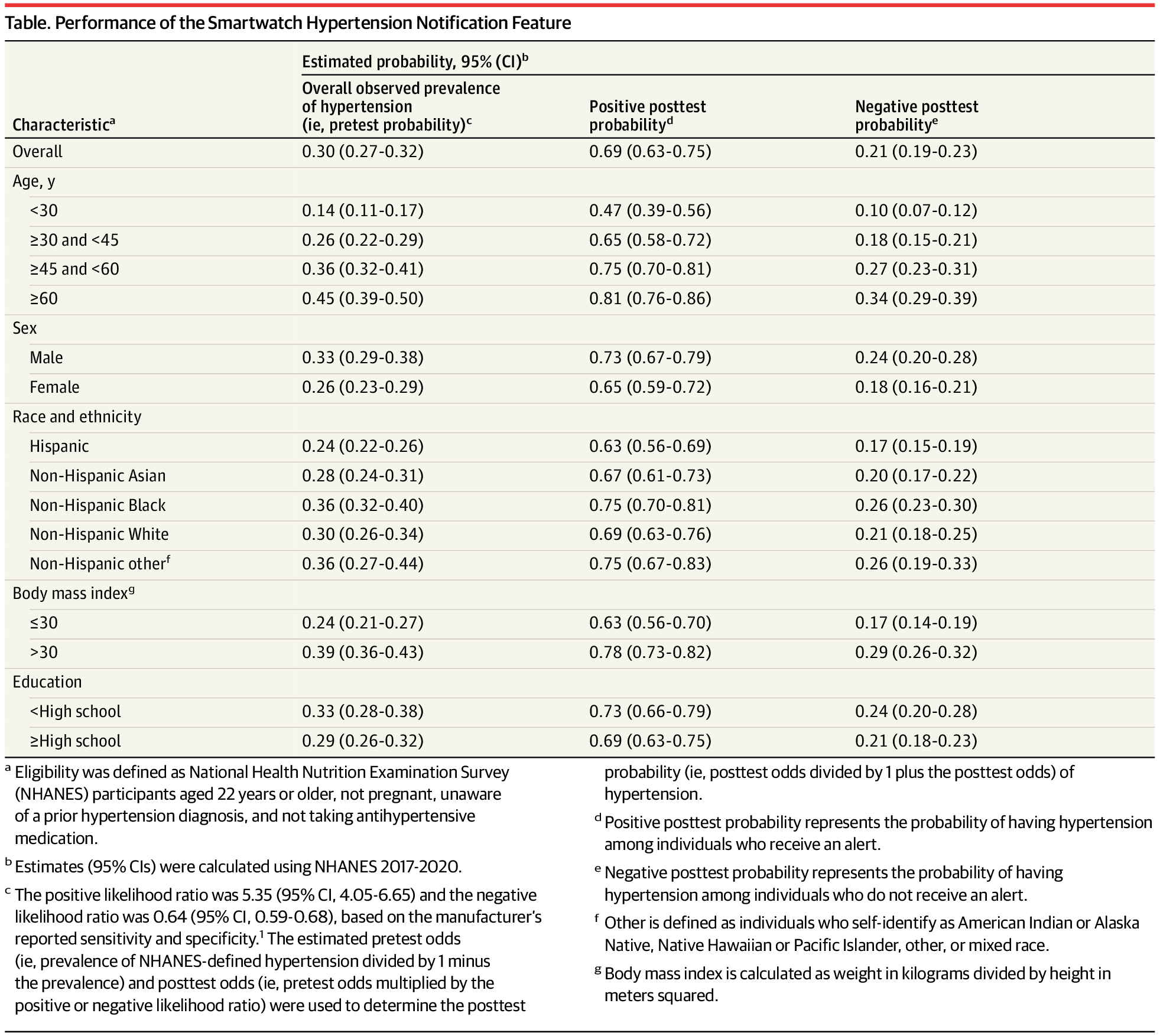
From JAMA: The US Food and Drug Administration recently cleared the Apple Watch hypertension notification feature.

Researchers applied performance metrics reported by Apple to nationally representative survey data and found that, overall, 69% of individuals who receive a smartwatch alert would have hypertension, while 79% of those who do not receive an alert would not have hypertension. However, these rates vary according to subgroup characteristics, such as age and sex.

Current guidelines recommend cuff-based blood pressure measurement as the standard for diagnosing hypertension. Incorporating cuffless device technologies into public health screening efforts will require additional validation and careful attention to device accuracy to reduce misclassification and the risk of false reassurance.


This cross-sectional study assesses the potential impact of a smartwatch hypertension notification feature for US adults who have not been diagnosed with hypertension.

Natural history of craniocervical alignment in Chiari patients and the impact of posterior fossa decompression

Chiari malformation (CM) involves a broad disease spectrum, where rare complex CM cases can be associated with craniocervical junction (CVJ) instability and require occipitocervical fusion. However, the natural progression of CVJ alignment in the general CM type I and 1.5 populations treated with posterior fossa decompression (PFD) remains insufficiently characterized. The authors aimed to compare CVJ alignment changes in patients who underwent PFD versus patients with CM who did not undergo surgery.

The authors conducted a retrospective cohort study at their institution of all patients diagnosed with CM I and 1.5 from 2000 to early 2023. Demographic, clinical, and surgical data were collected, along with preoperative and postoperative MRI measurements, including tonsillar herniation, brainstem descent, clivoaxial angle (CXA), and condylar-C2 sagittal vertical alignment (C-C2SVA).

A total of 241 patients were included, with 201 undergoing PFD and 40 managed conservatively (controls). No significant differences were observed between groups in age at diagnosis, sex, or genetic diagnoses. In the PFD group, 55% underwent duraplasty and 45% underwent bone-only decompression. Baseline craniocervical alignment measurements showed a lower CXA in the PFD group (144.4° ± 13.4°) compared to controls (148.5° ± 14.2°) (p = 0.04) but no difference in C-C2SVA. Changes over time showed a small but significant decrease in CXA at < 1 year after surgery in the PFD group (−2.7°) compared to controls (−2.0°) (p = 0.008), but no differences were noted at 1–2 years. No differences in C-C2SVA were observed over time in either group.

Prevalence of Illicit Drug Detection in Out-of-Treatment People Who Inject Drugs

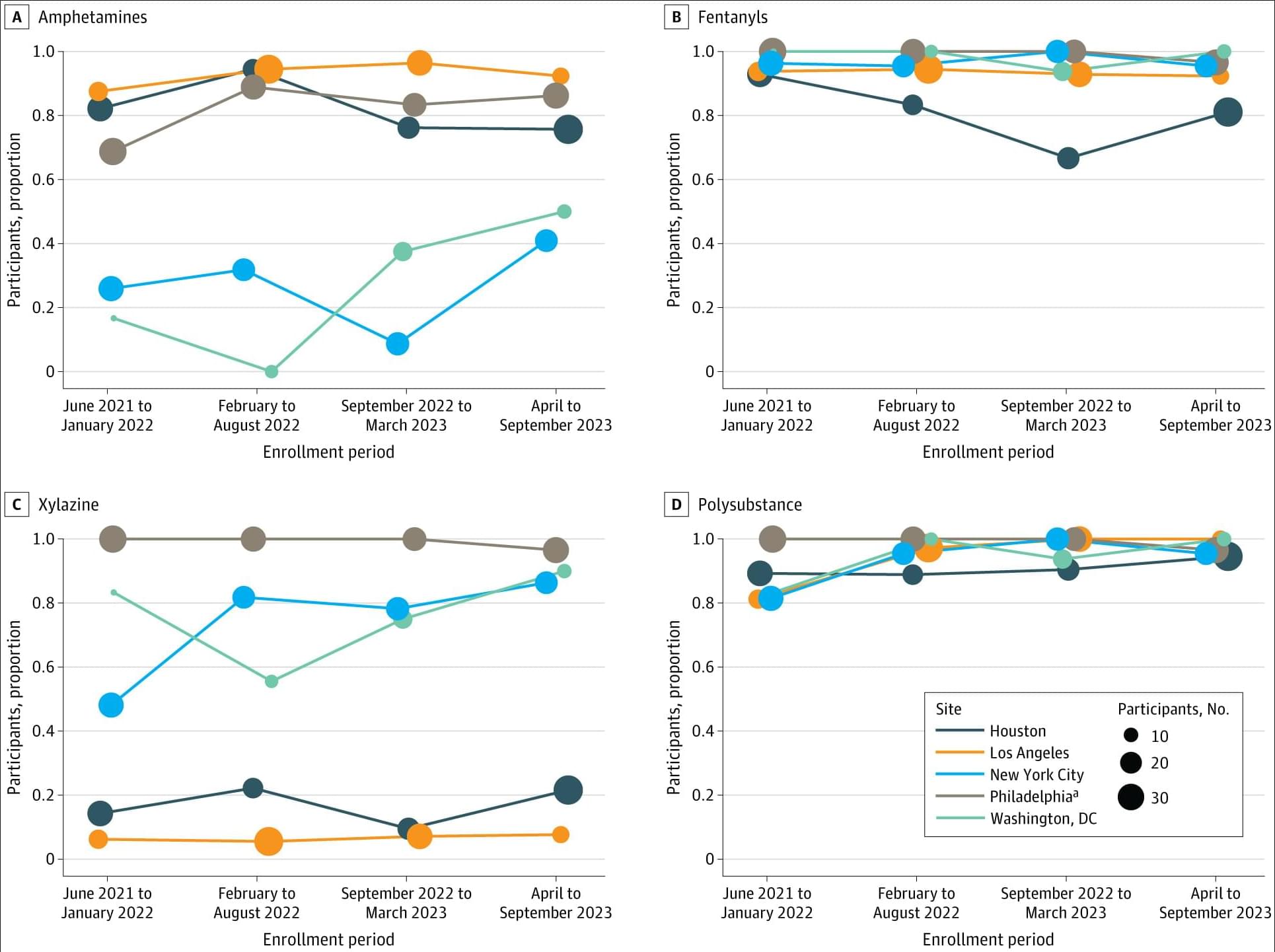
Among people injecting drugs and not engaged in medical care, nearly all tested positive for fentanyl and multiple other substances, with polysubstance and xylazine detection rates highest among unhoused and recently incarcerated participants.


This cross-sectional study used data from HPTN 094. Participants who met eligibility criteria were invited to participate in a baseline interview and were enrolled between June 2021 and September 2023. All participants completed written informed consent prior to participating in study procedures, and a single institutional review board (Advarra) provided ethical approval for HPTN 094; this cross-sectional analysis was exempt from additional IRB approval. The current study was conducted and reported in accordance with the Strengthening the Reporting of Observational Studies in Epidemiology (STROBE) reporting guideline.23

Participants were required to meet the following criteria: be at least 18 years of age, have a urine test positive for recent opioid use and evidence of recent injection drug use (visible venipuncture marks), meet diagnostic criteria for opioid use disorder, be able to give informed consent, be willing to start MOUD treatment, complete an assessment of understanding, have confirmed HIV seropositivity or self-reported sharing of injection equipment and/or condomless sex in the past 3 months with partners living with HIV or with unknown HIV status, and provide locator information. Participants were excluded if they self-reported being prescribed MOUD in the 30 days prior to screening, had a urine test positive for methadone (with the exception of verified hospitalization), or were enrolled in another study.

Sex Differences in Left Ventricular Remodeling for Aortic Regurgitation

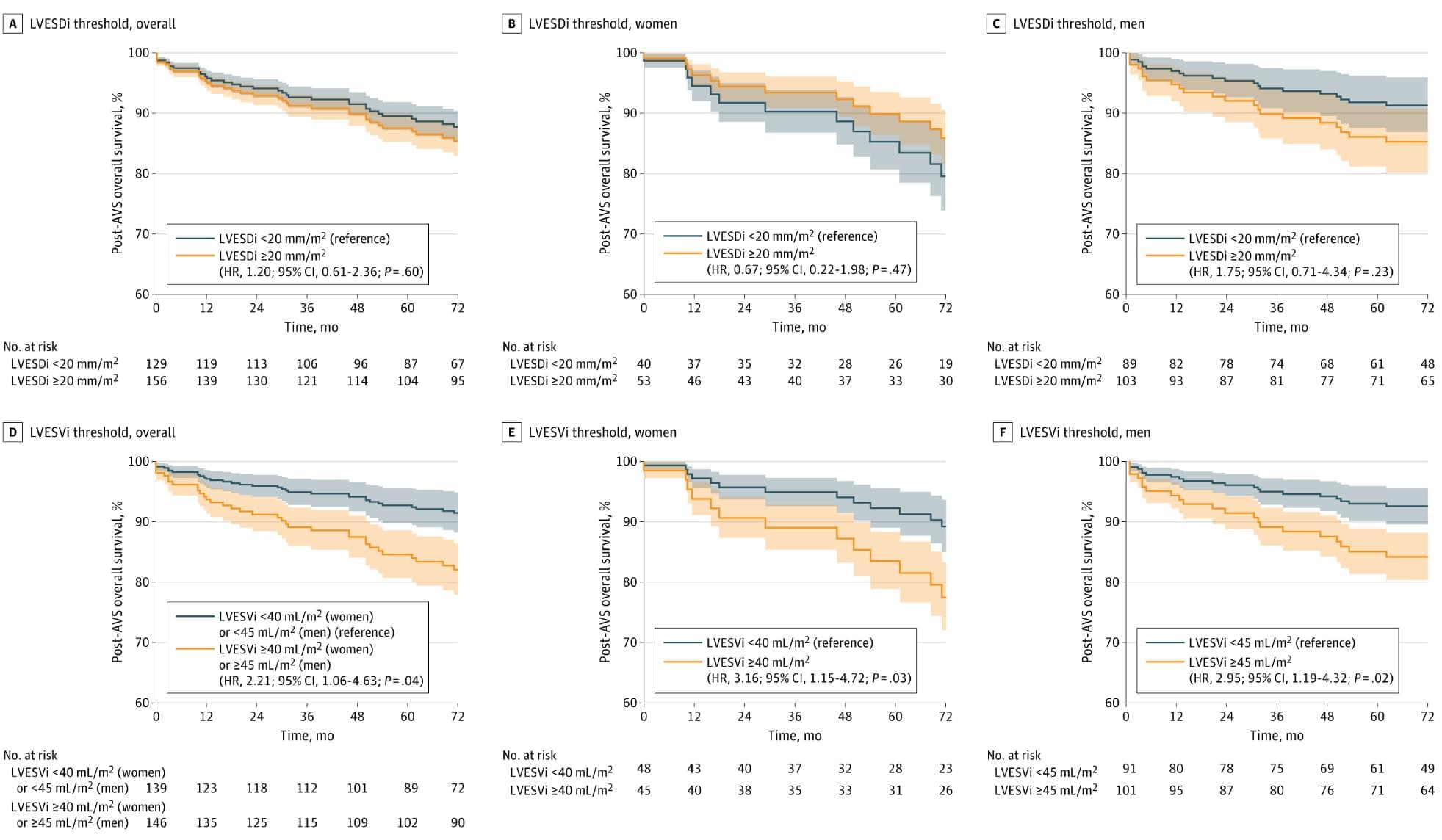
In a multicenter cohort study of adults with moderate-severe AorticRegurgitation and preserved ejection fraction, women experienced higher mortality under medical management compared to men.

The optimal left ventricular end-systolic diameter index threshold associated with mortality was similar for both sexes (≥20 mm/m²), while volumetric thresholds differed: 40 mL/m² for women and 45 mL/m² for men.

These findings support the use of sex-specific thresholds to improve risk stratification and timing of intervention.


This cohort study evaluates sex differences in left ventricular remodeling among individuals with aortic regurgitation.

Scientists identify a brain region that differs between males and females and may influence social behavior

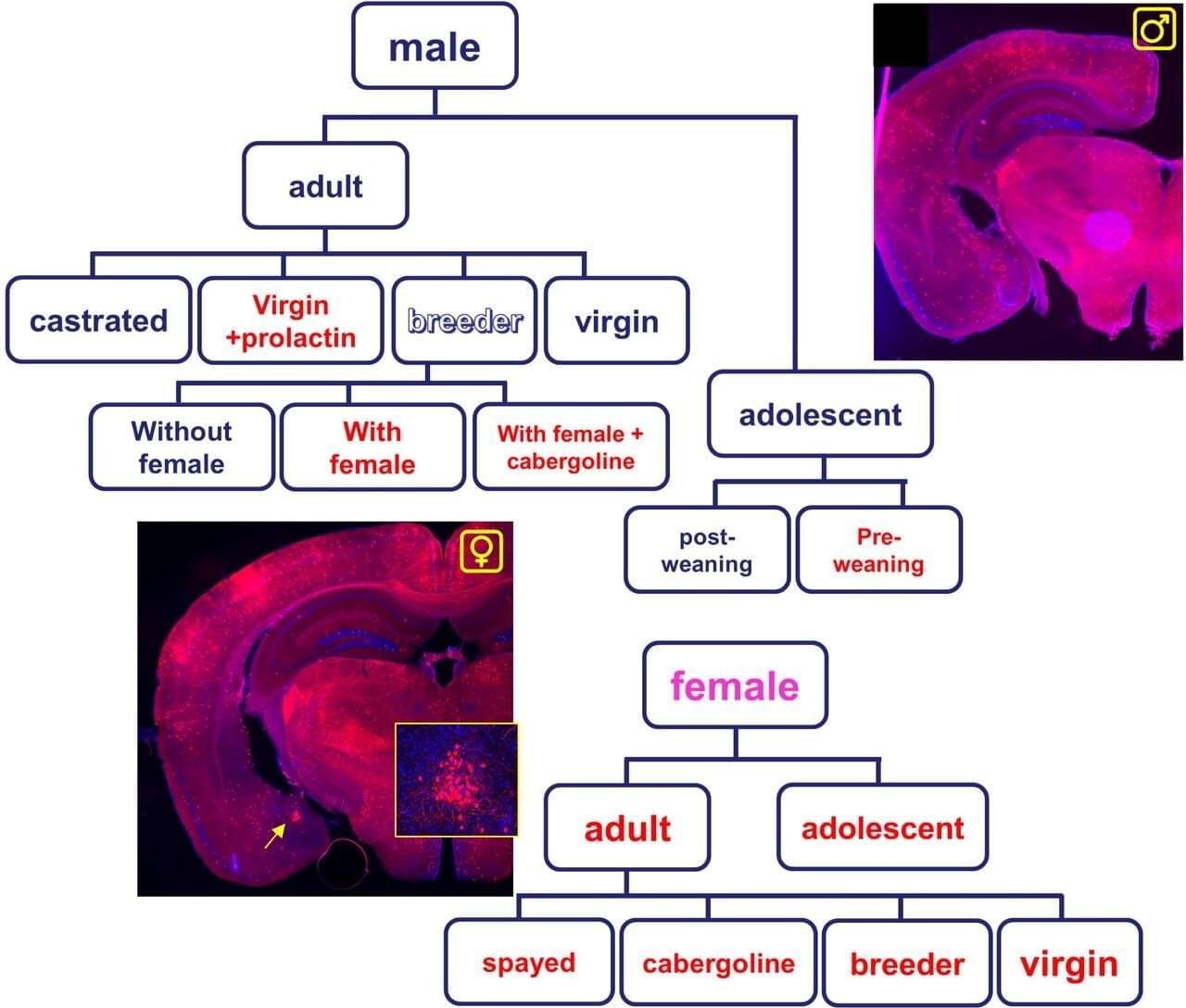
Scientists have uncovered a previously unknown cluster of brain cells that may help explain differences in social behavior between males and females. The small neural circuit appears to function like an on/off switch, showing a striking pattern of activity that differs sharply by sex, an unusually clear contrast compared with most known brain sex differences, which tend to be more subtle and overlapping. Researchers also found that the circuit’s activity shifts with social and reproductive status, suggesting the brain may use this mechanism to adapt behavior across key life stages.

The new study was led by Dr. Tamar Licht and Dr. Dan Rokni from the Institute of Medical Research Israel-Canada (IMRIC) at the Hebrew University of Jerusalem and is published in the Proceedings of the National Academy of Sciences.

Burden of Central Nervous System Cancer in the United States

While incidence rates for central nervous system cancer remained stable from 1990 to 2021, both mortality and disability-adjusted life-years (DALYs) declined. Disparities by geography, age, sex, and sociodemographic status highlight needs for targeted health policy reforms and resource redistribution.


Findings In this cross-sectional study, analysis of the Global Burden of Disease Study 2021 data on US CNS cancers revealed that although the incidence rate remained relatively stable, both disability-adjusted life-years and mortality rates declined. However, substantial disparities persisted across geographical location, age, sex, and sociodemographic profile.

Meaning The persistent disparity in CNS cancer burden highlights the urgent need to reevaluate public health policies and redistribute health care resources to better support marginalized and underserved populations.

Uniform Amyloid Thresholds Across Populations

This diagnostic study validates the biological comparability of brain amyloid thresholds used in AlzheimerDisease diagnostics across racial and ethnic subgroups of older adults, with no significant differences by sex or APOE4 status.

Further research should determine whether uniform thresholds yield comparable prognostic utility in clinical practice.

/* */