In an era when untestable ideas such as the multiverse hold sway, Michela Massimi defends science from those who think it hopelessly unmoored from physical reality.
Read more


An inevitable comment is usually something along the lines of women don’t need this kind of help because “insert foolish reason here.” The announcement of the black hole image shows just why this kind of action is needed.
The soon-to-be iconic picture of Katie Bouman reacting to the first image coming through was posted. Suddenly, the Internet trolls in defense of “male scientist” broke upon the scene, The goal to denigrate Bouman’s work on the project and turn the real “hero” of the discovery to another male scientists.
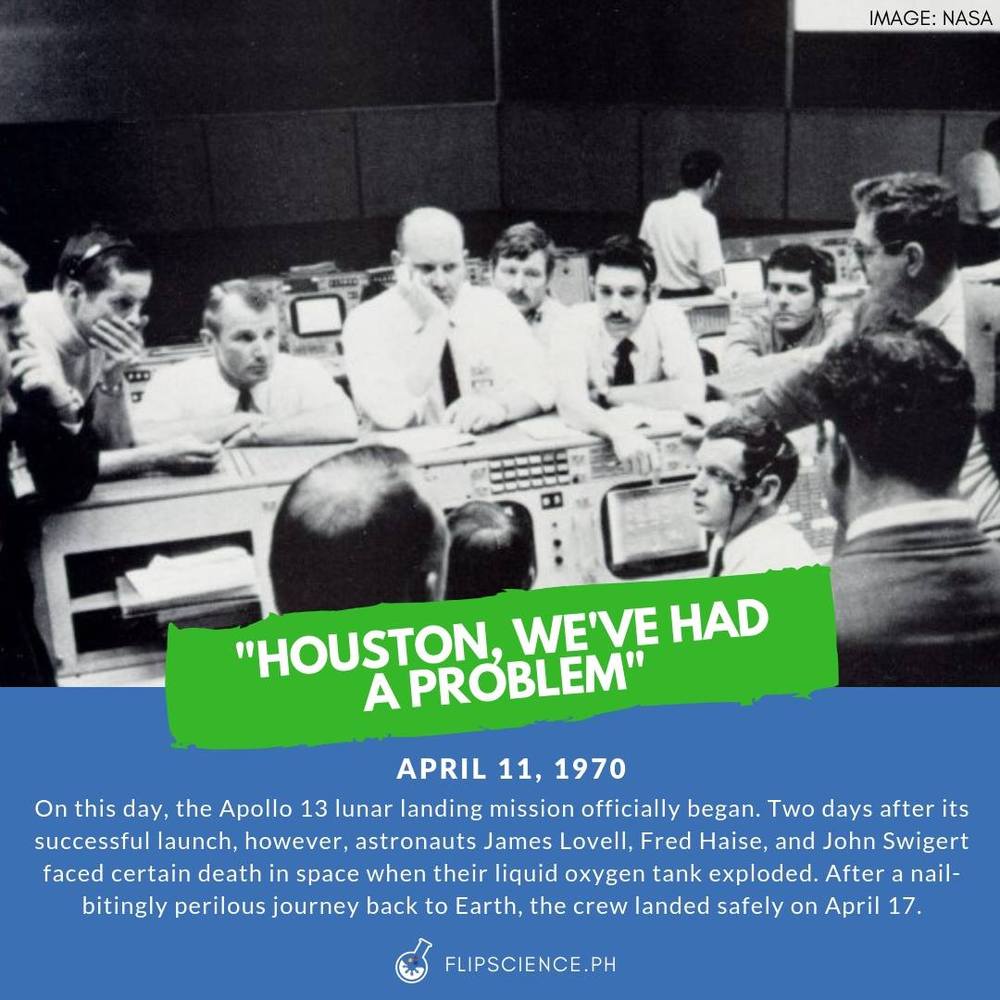
On April 13, the crew had already traveled 200,000 miles away from Earth when one of the oxygen tanks exploded, forcing them to abort the mission and head back, fighting for their own survival.
You may be familiar with the immortal line “Houston, we have a problem,” which was supposedly uttered by Lovell in the 1995 film “Apollo 13.” Actually, the real quote was “Houston, we’ve had a problem,” and it was Swigert who said it.


WASHINGTON (AP) — Scientists on Wednesday revealed the first image ever made of a black hole, depicting a fiery ring of gravity-twisted light swirling around the edge of the abyss.
The picture, assembled from data gathered by eight radio telescopes around the world, shows the hot, shadowy lip of a supermassive black hole, one of the light-sucking monsters of the universe theorized by Einstein more than a century ago and confirmed by observations for decades. It is along this edge that light bends around itself in a cosmic funhouse effect.
“We have seen what we thought was unseeable. We have seen and taken a picture of a black hole,” Sheperd Doeleman of Harvard, leader of a team of about 200 scientists from 20 countries, announced as the colorized orange-and-black picture was unveiled.

Scientists called for a bigger say over research funding under a stifling bureaucratic application system. Yuan Zhiming, an agricultural scientist from the Chinese Academy of Sciences in Wuhan, said he spent so much time filling out funding applications that he did not have time for any research. Senior officials responded that they understood the need to speed up research for China to transform itself into an innovation powerhouse. Minister of Science and Technology Wang Zhigang said the government would overhaul funding management to give researchers more incentives.
The country has to address a lot of shortcomings, but when it sets course to remedy them and commits a bigger share of resources, it could become a leading scientific power within a decade.
SpaceX Falcon Heavy Two Booster Landings + Sonic BOOM 💥
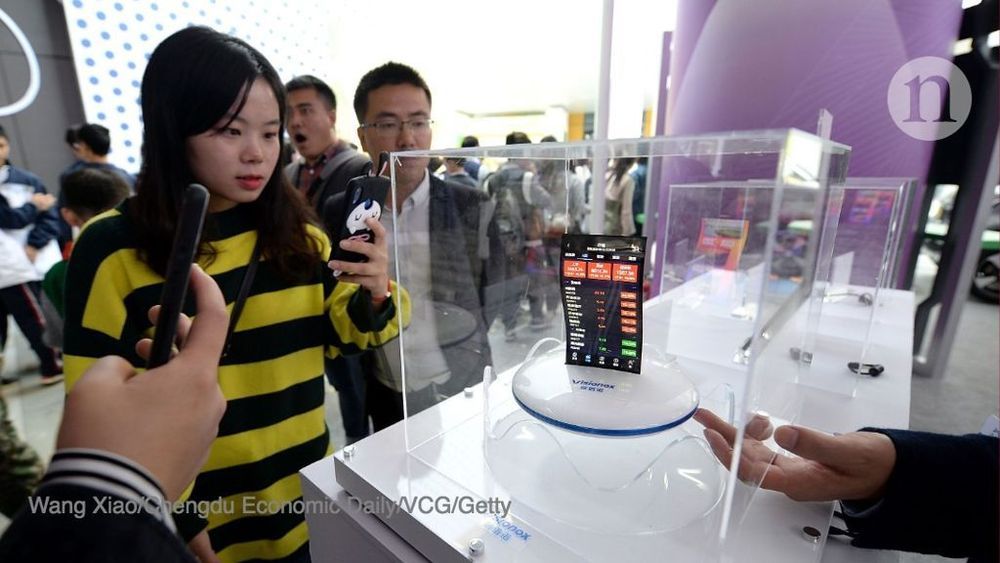
It’s the kind of diverse, multidisciplinary community, Chinese scientists say, that is crucial to doing great research but is often lacking in labs. “The goals of the Materials Genome Initiative in the States and in China are the same: to produce better materials more quickly that cost less. It’s very important we collaborate with overseas scientists because the materials genome is a new topic. We need to figure out the best path together,” says Zhang.
Researchers are reaping the benefits of carefully built programmes and a surge in funding.