Toggle light / dark theme

Kalmogorov-Arnold Neural Networks Shake Up How AI Is Done

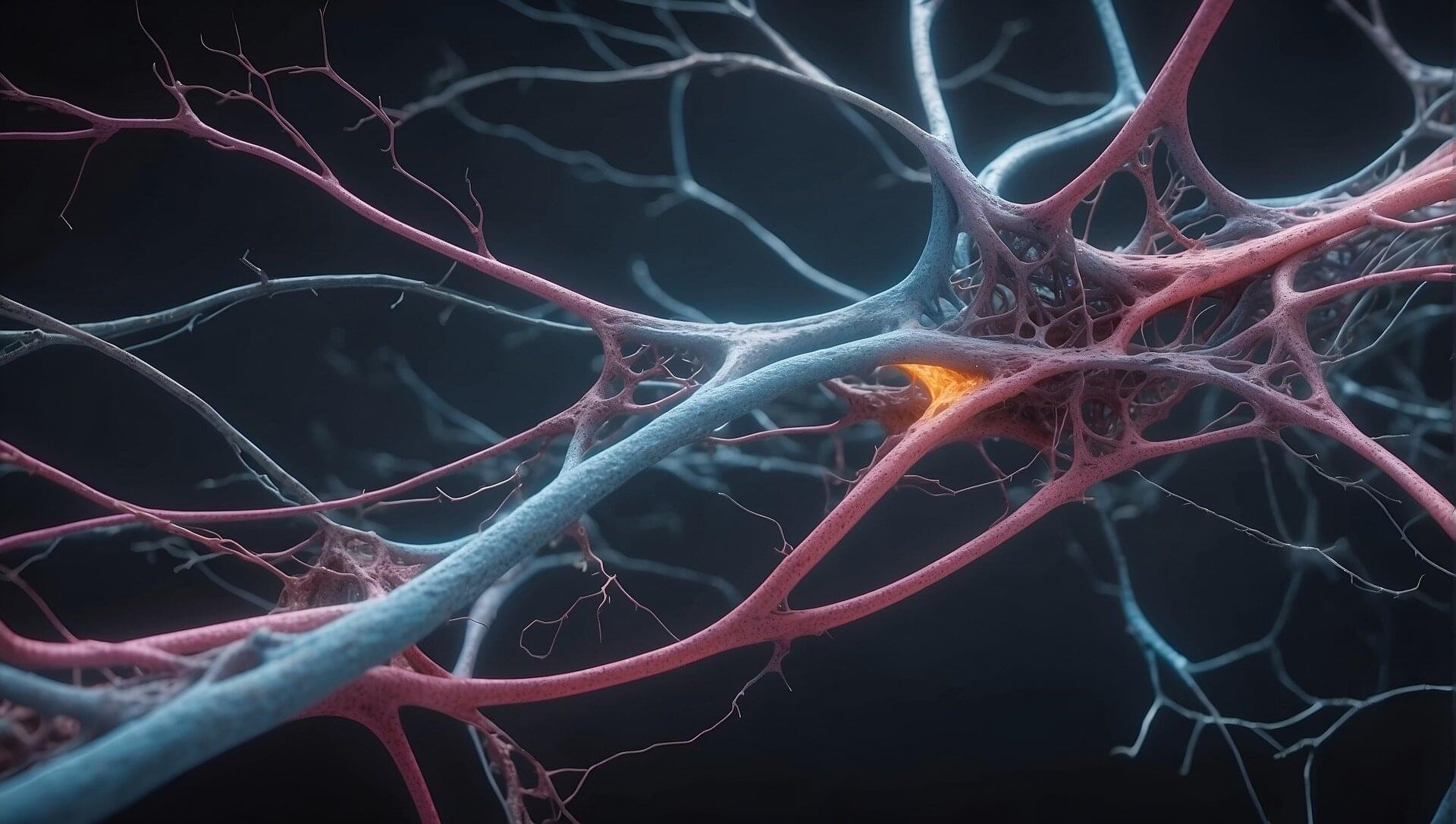
Artificial neural networks—algorithms inspired by biological brains—are at the center of modern artificial intelligence, behind both chatbots and image generators. But with their many neurons, they can be black boxes, their inner workings uninterpretable to users.

Researchers have now created a fundamentally new way to make neural networks that in some ways surpasses traditional systems. These new networks are more interpretable and also more accurate, proponents say, even when they’re smaller. Their developers say the way they learn to represent physics data concisely could help scientists uncover new laws of nature.

China develops robot with human-like, highly expressive facial features

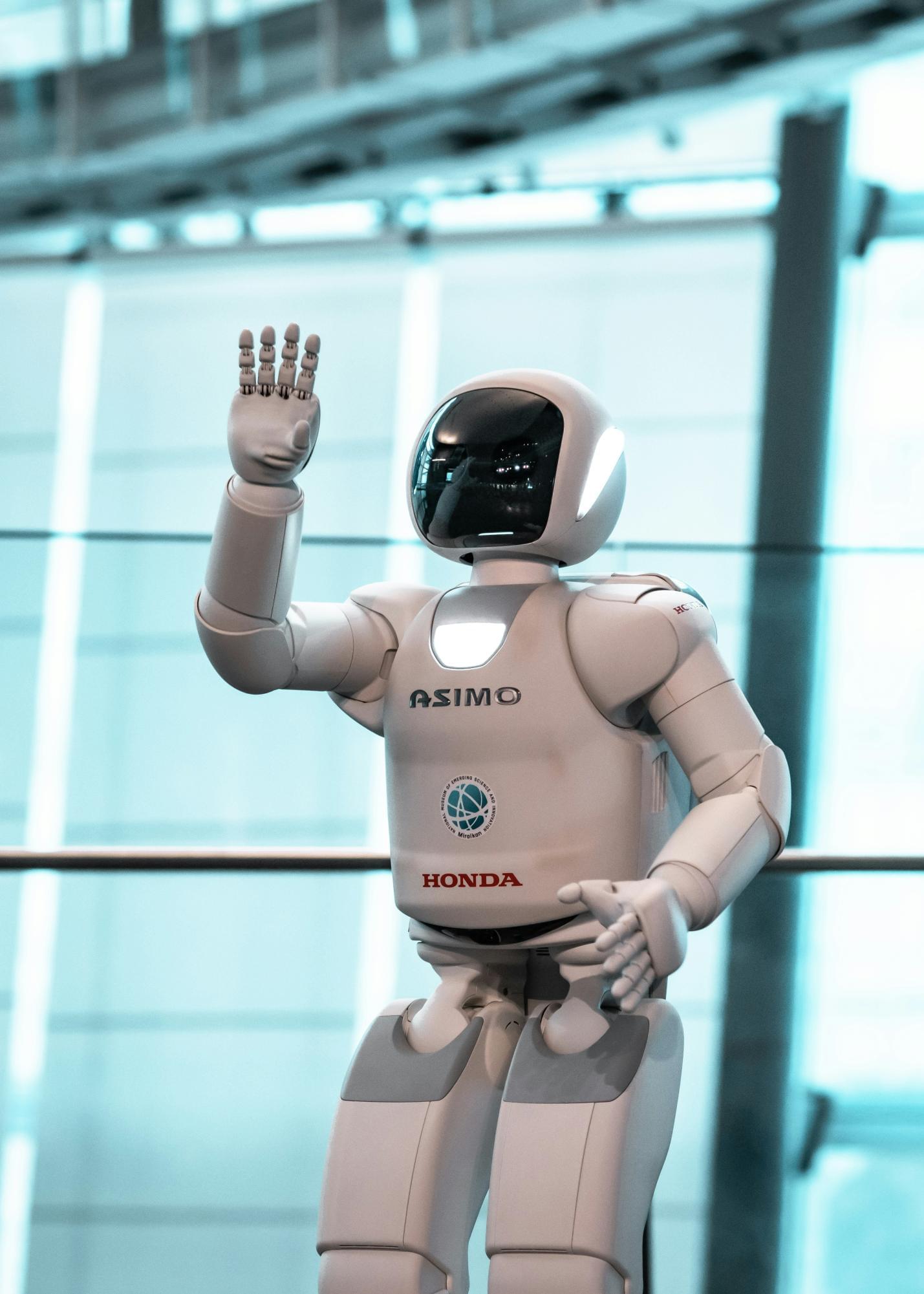
Now, scientists in China have developed robots that give human-like realistic expressions.

The humanoid robot with highly expressive facial features is developed by Liu Xiaofeng, a professor at Hohai University in east China’s Jiangsu Province, and his research team.

For the development of this robot, the research team developed a new algorithm for generating facial expressions on humanoid robots.

The human mind and AI are now closer than ever — and will soon surpass us in nearly every way

He writes that AI is now exceeding the human brain at several cognitive tasks and that it will eventually do all things far better than even the most expert humans.

These new machines can learn, reason, plan and act with intention, and they are becoming far smarter far faster than most people, save Kurzweil, could have predicted.

Soon, he forecasts, they will be indistinguishable from human brains, before accelerating past them in nearly every way.

New substrate material for flexible electronics could help combat e-waste

Electronic waste, or e-waste, is a rapidly growing global problem, and it’s expected to worsen with the production of new kinds of flexible electronics for robotics, wearable devices, health monitors, and other new applications, including single-use devices.

A new kind of flexible substrate material developed at MIT, the University of Utah, and Meta has the potential to enable not only the recycling of materials and components at the end of a device’s useful life, but also the scalable manufacture of more complex multilayered circuits than existing substrates provide.

The development of this new material is described in the journal RSC Applied Polymers (“Photopatternable, Degradable, and Performant Polyimide Network Substrates for E-Waste Mitigation”), in a paper by MIT Professor Thomas J. Wallin, University of Utah Professor Chen Wang, and seven others.

/* */