Hmmm; sounds like he needs to read one of my postings on congitive thinking.
Sex, drugs, God, and a hit TV show. Are there any limits to the techno-optimism of television’s favorite “wonder junkie”?
Hmmm; sounds like he needs to read one of my postings on congitive thinking.
Sex, drugs, God, and a hit TV show. Are there any limits to the techno-optimism of television’s favorite “wonder junkie”?

Enough said; hope folks are paying attention when re-creating those “Cognitive Thinking” skills in AI; otherwise, they miss the boat with almost 60% of the world’s population.
NEW YORK: Male and female behavioural differences correlate with their different brain networks, say researchers, including one of Indian origin.
Structural differences in the brain may relate to male and female behaviour differences such as men being more likely to be better at learning and performing a single task at hand and women being more likely to exhibit superior memory and social cognition skills, the study said.
“Our results suggest a synchrony between sex-related differences in the brain network and behaviour,” said senior study author Ragini Verma, associate professor at Perelman School of Medicine at University of Pennsylvania in the US.

The late Supreme Court Justice Potter Stewart once said, “Ethics is knowing the difference between what you have a right to do and what is right to do.”
As artificial intelligence (AI) systems become more and more advanced, can the same statement apply to computers?
According to many technology moguls and policymakers, the answer is this: We’re not quite there yet.

Another example backing up the fact that AI and any brain mapping & cognitive thinking efforts will require both male and female engineers leading and developing AI together.
Male and female behavioural differences correlate with their different brain networks, say researchers, including one of Indian origin… Read health articles & blogs at TheHealthSite.com

Excellent article; it truly does level set reality from fiction around AI. There has been so much hype lately around AI; and my own concerns is will people wake up in the next 5 to 7 years with the AI disappointment hangover. I believe we have to be very cautious in overpromise and under delivery. Be inspirational as well as realistic is my advice to other leaders across tech.
Robo-advisors are marketed and sold as being more “intelligent” than their human counterparts. But are they actually more intelligent?
“We will find new things everywhere we look.” –Hunter S. Thompson
At the rate of 21st century technological innovation, each year brings new breakthroughs across industries. Advances in quantum computers, human genome sequencing for under $1,000, lab-grown meat, harnessing our body’s microbes as drugs, and bionic eye implants that give vision to the blind —the list is long.
As new technologies push the boundaries of their respective industries, fields are now maturing, growing, and colliding with one another. This cross-pollination of ideas across industries and countries has changed the world—and will continue to—and it’s one of the reasons Singularity University exists.
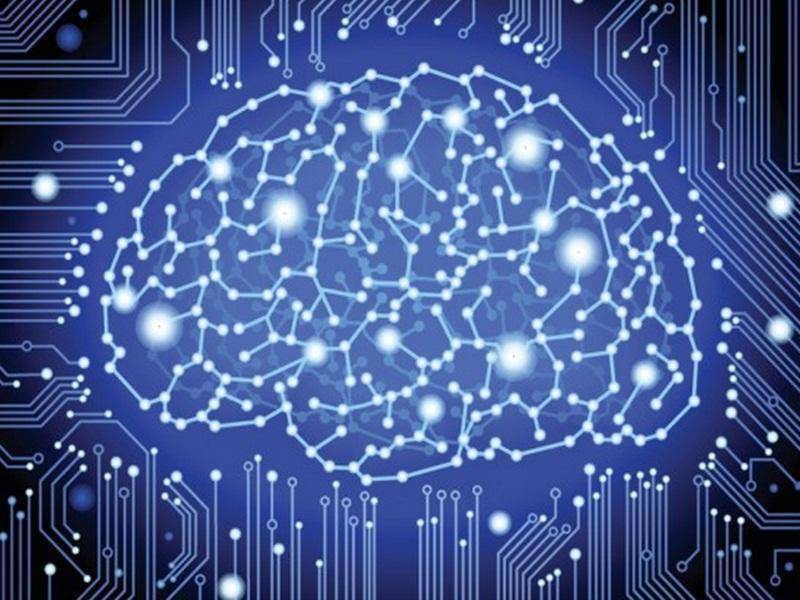
At a time when the global technology giants are set to leverage the benefits of AI for your daily lives, India seems to be reluctant to get on to this bus.
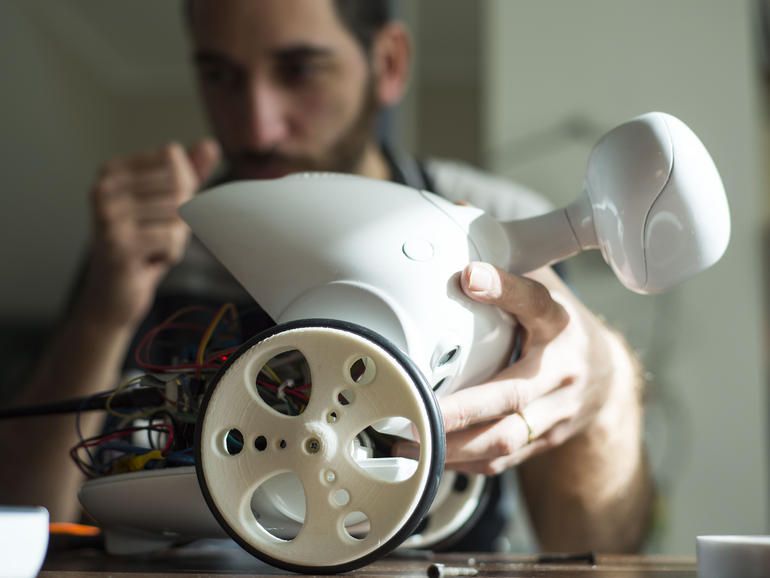
“There’s a reason the only robot a person is likely to have in their home today is a cleaning robot,” founder Shlomo Schwarz tells me during a recent call. “It gives added value to the person. You buy a cleaning robot because it cleans your house. You’re not buying a friend.” — when we say value; how do we know for sure. I know many consumers who bought the iRobot vacuums and don’t use them because for many of the women in my own family found it was limited in its usage.
An Israeli startup is modeling its Linux-based, Raspberry Pi-powered robot on the smartphone developer ecosystem.
Yesterday, I highlighted one key a reason why robots will not be able to completely eliminate roles like doctors, etc. and that is lack of empathy.
Also, another key barrier that will remain the lack of a diverse set of innovators & development engineers in the space. AI designed today is strictly designed with a subset of the population; therefore, the larger consumer space will continue to see limitations with their own AI experiences. No matter how much you try, you can never replace female thinking & interpretation with male thinking & interpretation and vice versa. Therefore, there will always be something missing in AI for a larger part of the population.
The Future of the Professions, a book by father and son duo Richard and Daniel Susskind predicts radical change about the automated future of professions.
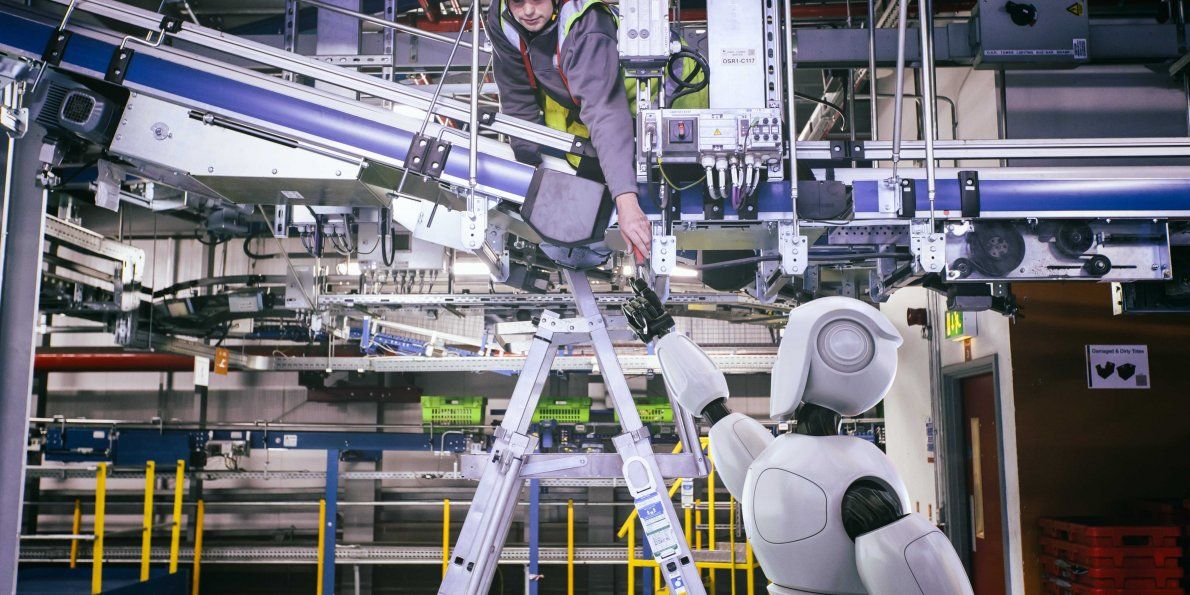
Machine operating as machine yes; machine trying to operate like a human not even close.
Meanwhile, Ocado is continuing to carve out some cutting edge inventions that are set to transform the logistics and communications sectors. Ocado’s director of technology Paul Clarke gave us an inside look into the tech side of the business and hinted at what’s in store for the future.

OcadoOcado’s director of technology, Paul Clarke.
Business Insider: Ocado recently launched the wireless technology that fits into the wider Ocado Smart Platform [OSP: Ocado’s e-commerce fulfillment and logistics cloud platform.] It seems like a rather simple and efficient idea but how long does it take to bring a concept like this into reality?