Environmentalism and climate change are increasingly being pushed on us everywhere, and I wanted to write the transhumanism and life extension counter argument on why I prefer new technology over nature and sustainability. Here’s my new article:
On a warming planet bearing scars of significant environmental destruction, you’d think one of the 21st Century’s most notable emerging social groups—transhumanists—would be concerned. Many are not. Transhumanists first and foremost want to live indefinitely, and they are outraged at the fact their bodies age and are destined to die. They blame their biological nature, and dream of a day when DNA is replaced with silicon and data.
Their enmity of biology goes further than just their bodies. They see Mother Earth as a hostile space where every living creature—be it a tree, insect, mammal, or virus—is out for itself. Everything is part of the food chain, and subject to natural law: consumption by violent murder in the preponderance of cases. Life is vicious. It makes me think of pet dogs and cats, and how it’s reported they sometimes start eating their owner after they’ve died.
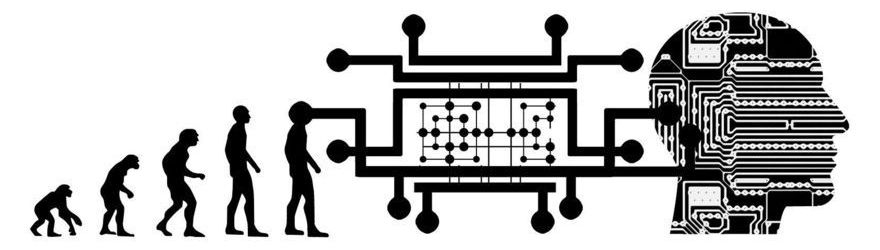
Many transhumanists want to change all this. They want to rid their worlds of biology. They favor concrete, steel, and code. Where once biological evolution was necessary to create primates and then modern humans, conscious and directed evolution has replaced it. Planet Earth doesn’t need iniquitous natural selection. It needs premeditated moral algorithms conceived by logic that do the most good for the largest number of people. This is something that an AI will probably be better at than humans in less than two decade’s time.
Ironically, fighting the makings of utopia is a coup a half century in the making. Starting with the good-intentioned people at Greenpeace in the 1970s but overtaken recently with enviro-socialists who often seem to want to control every aspect of our lives, environmentalism has taken over political and philosophical discourse and direction at the most powerful levels of society. Green believers want to make you think humans are destroying our only home, Planet Earth—and that this terrible action of ours is the most important issue of our time. They have sounded a call to “save the earth” by trying to stomp out capitalism and dramatically downsizing our carbon footprint.
Read more