Toggle light / dark theme

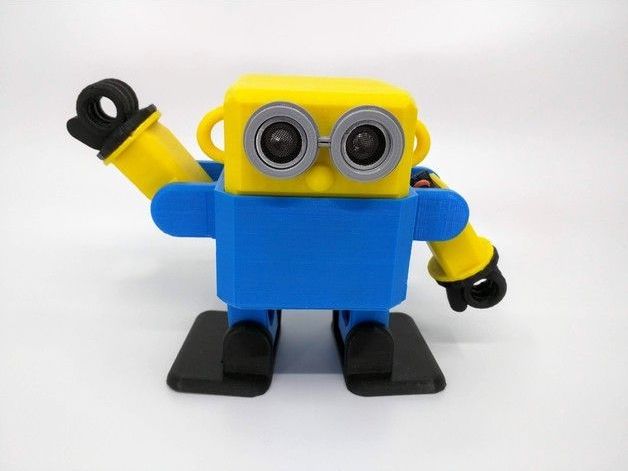
Otto DIY — learn and build your own robot

Brings children and people closer to technology : learn the logical connection between code and action, and by assembling it they understand how its components, and electronics work.
Buy a Otto DIY Kit robot you will be able to build your own custom robot in as little as one hour with your kids!


Otto DIY is more than a robot: you will learn how robots works, you will build and code your own Otto and his personality!The robot is completely open source, Arduino compatible, 3D printable, and with a social impact mission to create an inclusive environment for all kids.

Otto DIY brings children and people closer to technology : learn the logical connection between code and action, and by assembling it they understand how its components, and electronics work.

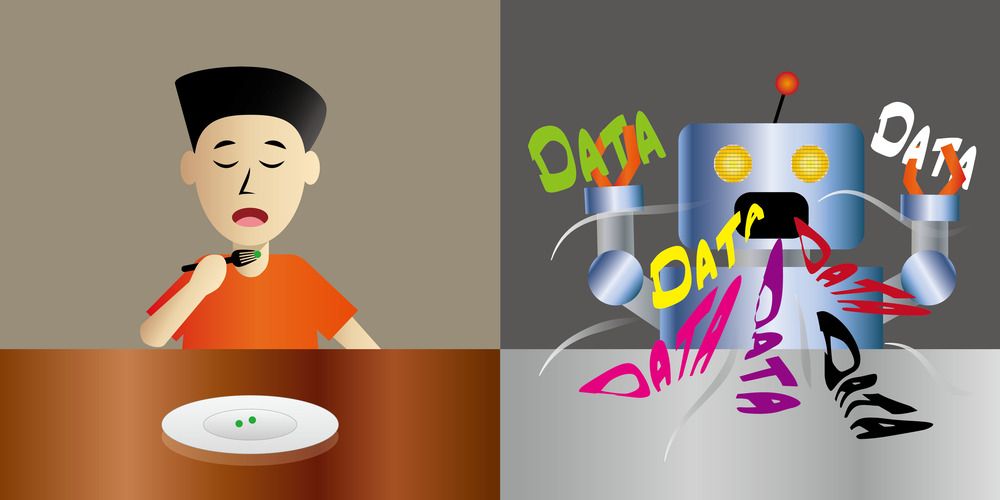
Why human brain only needs a small amount of data (or is it?)

One of the most commonly mentioned questions about the differences between AI and real intelligence is that the later seems to require less data than the former in order to achieve the same performance. However, we’ll explain to you in this article that why such phenomenon is nothing but an illusion… To continue reading, please visit: https://bit.ly/2p7xN0i #artificialintelligence #machinelearning #deeplearning #neuralnetworks #data #technology

A vast range of infectious diseases, ranging from AIDS to Ebola, are now curable

Do you agree.


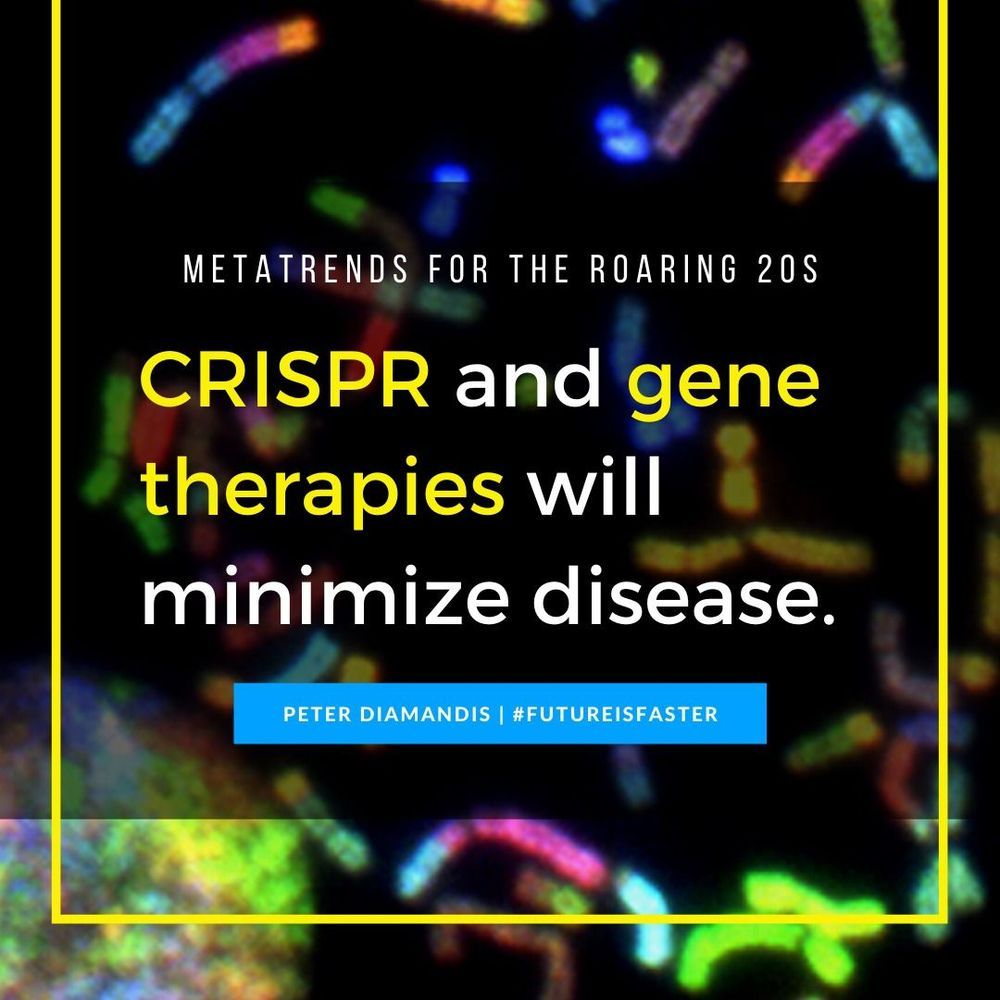
In addition, gene-editing technologies continue to advance in precision and ease of use, allowing families to treat and ultimately cure hundreds of inheritable genetic diseases.

This metatrend is driven by the convergence of: various biotechnologies (CRISPR, Gene Therapy), genome sequencing, and artificial intelligence.

Machine learning finds a novel antibiotic able to kill superbugs

When tested in mice, the molecule, dubbed halicin, effectively treated the gastrointestinal bug Clostridium difficile (C. diff), a common killer of hospitalized patients, and another type of drug-resistant bacteria that often causes infections in the blood, urinary tract, and lungs.

The most surprising feature of the molecule? It is structurally distinct from existing antibiotics, the researchers said. It was found in a drug-repurposing database where it was initially identified as a possible treatment for diabetes, a feat that showcases the power of machine learning to support discovery efforts.

MIT scientists create doomsday AI that will take over during end times

A team of scientists at MIT have developed a computer program that will help humans decide how to best deal with the end of the world, so long as that comes in form of a catastrophic asteroid collision.

Experts say there as many as two or three new asteroids, sometimes called ‘Near Earth Objects,’ discovered every night.

It’s inevitable that one of these asteroids will eventually end drifting into a collision course with Earth.

Surgeons successfully treat brain aneurysms using a robot

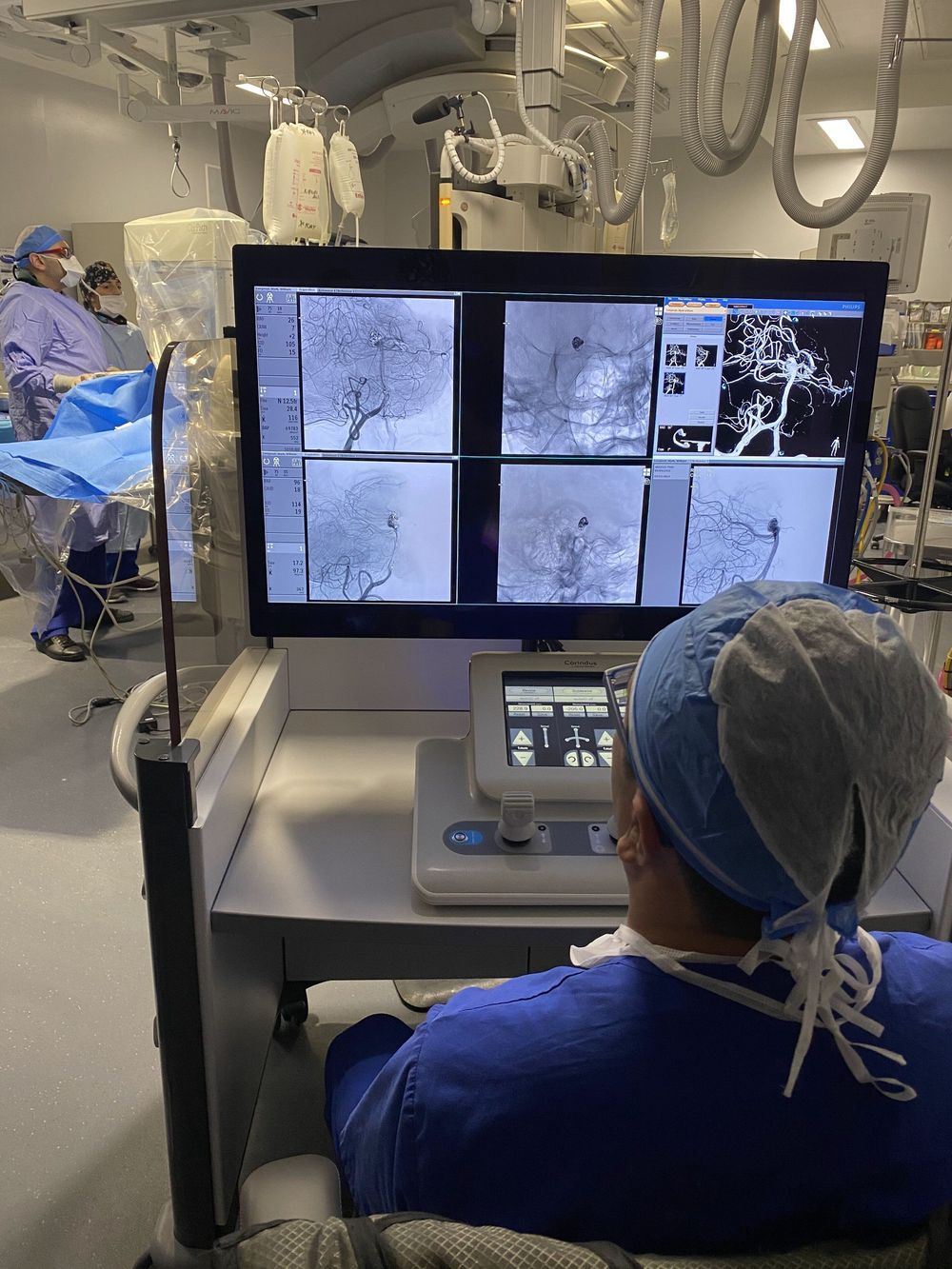
Using a robot to treat brain aneurysms is feasible and could allow for improved precision when placing stents, coils and other devices, according to late breaking science presented today at the American Stroke Association’s International Stroke Conference 2020.

Robotic technology is used in surgery and cardiology, but not for brain vascular procedures. In this study, Canadian researchers report the results of the first robotic brain vascular procedures. They used a robotic system specifically adapted for neurovascular procedures. Software and hardware adaptations enable it to accommodate microcatheters, guidewires and the other devices used for endovascular procedures in the brain. These modifications also provide the operator additional precise fine-motor control compared to previous system models.

“This experience is the first step towards achieving our vision of remote neurovascular procedures,” said lead researcher Vitor Mendes Pereira, M.D., M.Sc., a neurosurgeon and neuroradiologist at the Toronto Western Hospital, and professor of medical imaging and surgery at the University of Toronto in Canada. “The ability to robotically perform intracranial treatment is a major step forward in neuro-endovascular intervention.”

Video Friday: Africa’s Lake Kivu Drone Challenge

Video Friday is your weekly selection of awesome robotics videos, collected by your Automaton bloggers. We’ll also be posting a weekly calendar of upcoming robotics events for the next few months; here’s what we have so far (send us your events!):

Let us know if you have suggestions for next week, and enjoy today’s videos.

These videos show some highlights from the Lake Kivu Challenge, which took place in Rwanda earlier this month. In addition to a conference and forum, international teams and their drones competed in emergency delivery, sample pick-up, and find and assess tasks.

Do robots have rights? Professor David J. Gunkel interview

I recently interviewed Professor David J. Gunkel, an expert in robot ethics at Northern Illinois University about the future of AI and the transhumanist movement. If this is your thing please do subscribe to the channel — lots more coming up smile


I interview Professor David J. Gunkel (@David_Gunkel), an expert in AI and robot ethnics at Northern Illinois University and author of ‘The Machine Question: Critical Perspectives on AI, Robots, and Ethics’. We discuss whether robots should have rights, if human and artificial intelligence are likely to merge and whether the transhumanist movement could become a serious political force. Hope you enjoy!