Xenobots have been called the world’s first “living robots”. They are made entirely of living tissue, and can be programmed to move towards a certain object.
Category: robotics/AI – Page 2,500
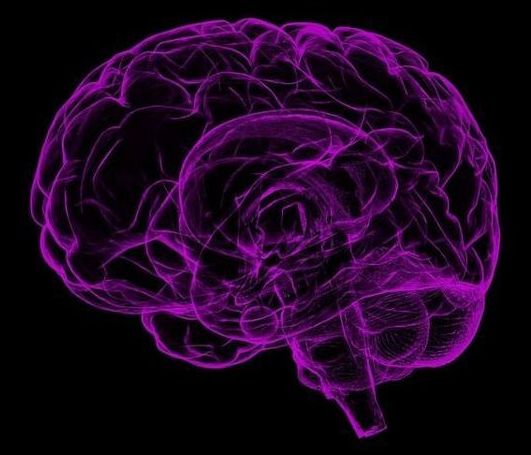
The Brain Predicts Reward Like an AI, Says New DeepMind Research
We all subconsciously learn complex behaviors in response to positive and negative feedback, but how that works in the brain remains a century-long mystery. By examining a powerful variant of reinforcement learning, dubbed distributional reinforcement learning, that outperforms original methods, the team suggests that the brain may simultaneously represent multiple predicted futures in parallel. Each future is assigned a different probability, or chance of actually occurring, based on reward.
Here’s the kicker: the team didn’t leave it as an AI-inspired hypothesis. In a collaboration with a lab at Harvard University, they recording straight from a mouse’s brain, and found signs of their idea encoded in its reward-processing neurons.

Meet the robot worm that could crawl into your brain
Scientists in Shenzhen are developing a machine that sounds like a form of ancient black magic because it could enter the brain and send signals to the neurons.

Spacewalkers to complete another round of solar array battery replacements
SpaceX simulated an in-flight emergency Sunday to verify the company’s Crew Dragon spacecraft has the capability to catapult itself away from a failing Falcon 9 rocket.
The in-flight abort test demonstrated the human-rated capsule can safely and rapidly fly away from a Falcon 9 rocket experiencing a failure.
As intended, the Falcon 9’s engines prematurely shut down around 84 seconds after liftoff Sunday from the Kennedy Space Center. The automated Crew Dragon capsule fired its own thrusters to escape the rocket before it disintegrated in an orange fireball high over Florida’s Space Coast.
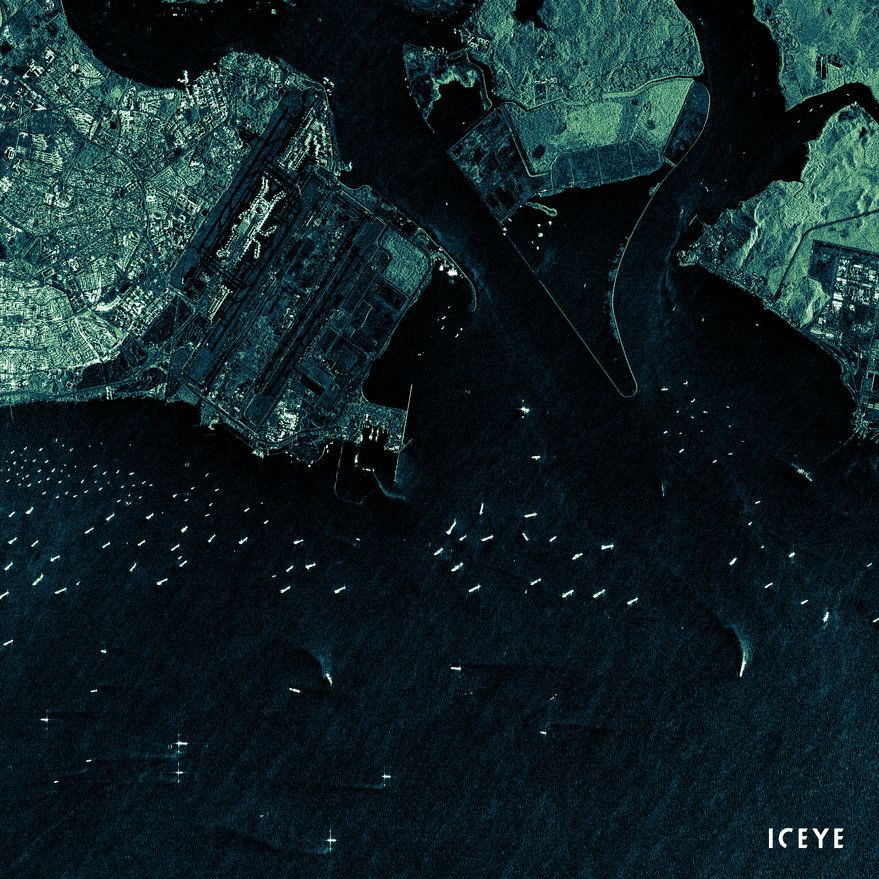
Iceye releases dark vessel detection product
SAN FRANCISCO – Radar satellite operator Iceye released a product Jan. 20 to detect dark vessels, ships at sea that are not identifying themselves with Automatic Identification System (AIS) transponders.
Iceye combines observations from its constellation of three synthetic aperture radar satellites with other data sources to provide customers with radar satellite images of vessels that are not broadcasting their identification, position and course with AIS transponders. The technology is designed to help government agencies, nongovernmental organizations and commercial customers curb drug and human trafficking, find illegal fishing vessels and enforce rules against illegal transshipment of goods, Finland-based Iceye said in a Jan. 20 news release.
Dark vessel detection is a popular application for radar satellites which gather data day, night and in all weather conditions, Pekka Laurila, Iceye co-founder and chief strategy officer told SpaceNews. With three satellites in orbit, Iceye offers customers the ability to frequently revisit areas of interest. In addition, the company has developed machine learning algorithms to speed up dark vessel detection, he added.
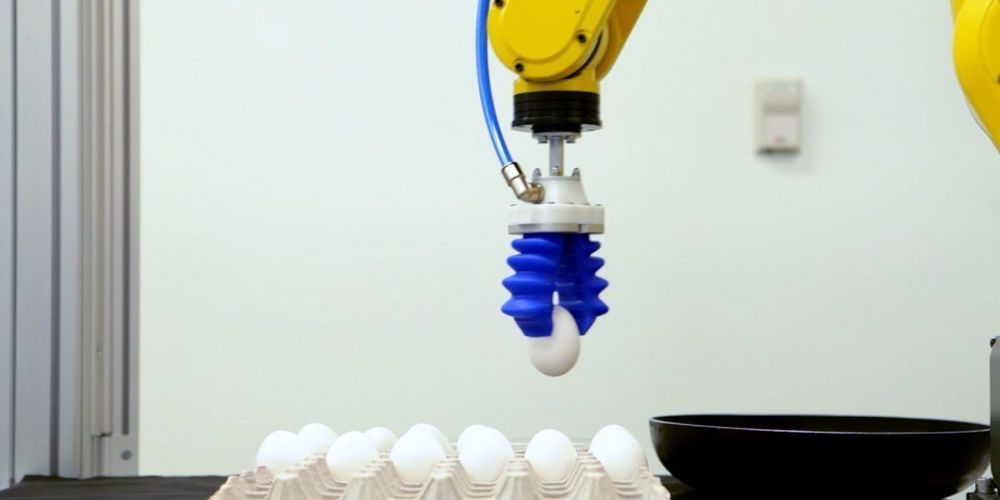
DARPA-backed Soft Robotics raises $23 million for autonomous grippers and sorters
Bedford, Massachusetts-based Soft Robotics has raised $23 million to further develop its autonomous gripper and sorter technologies.

Japan Is Celebrating 40 Years of Gundam With a Huge Moving Robot
Plans to construct a huge robot based on the Mobile Suit Gundam anime series that will be open to the public in October 2020 have been revealed.
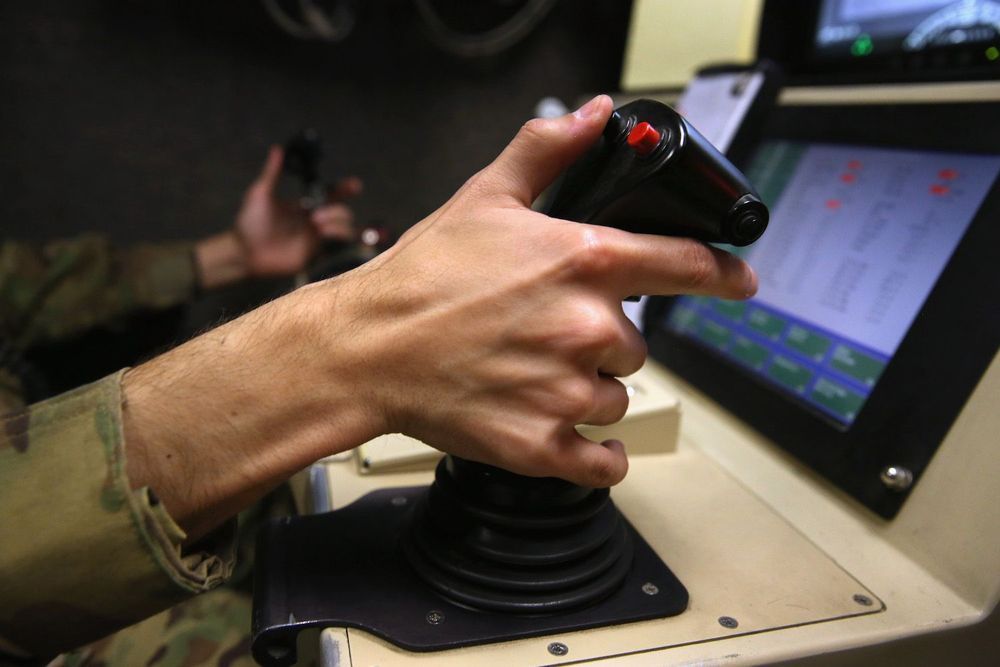
The Killer Algorithms Nobody’s Talking About
Activists fret about armies relying on killer robots, but some forms of artificial intelligence that don’t actually pull the trigger could still be a nightmare.
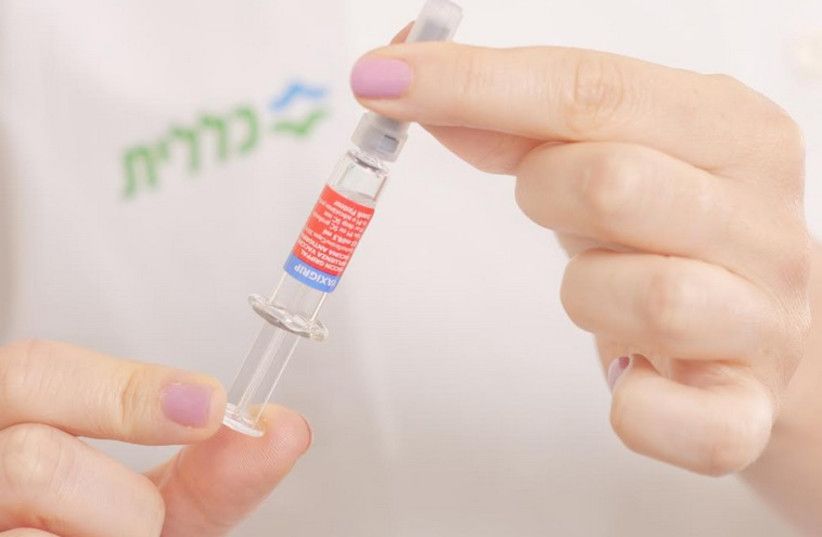
Israel launches its first AI-powered flu vaccination campaign
The company’s machine learning-based tool applies advanced algorithms to Maccabi’s existing electronic patient data to identify unvaccinated individuals at highest risk of developing serious flu-related complications. These could include elderly people; those with uncontrolled chronic diseases or respiratory diseases; long-term smokers; those that are immunodeficient or have diabetes; or children, explained Dr. Jeremy Orr, CEO of EarlySign.
The EarlySign investigational algorithm flags these individuals, who are then contacted by their healthcare providers and encouraged to come into the clinic and be vaccinated. Patients can be contacted by phone, text message or even snail mail, depending on their communication preferences and the methods offered by their clinics.
Orr noted that the program is especially important this year when many people have already died from the flu in Israel and the virus is expected to take an exceptionally heavier toll than usual this year.

Stanford University finds that AI is outpacing Moore’s Law
Every three months, the speed of artificial intelligence computation doubles, according to Standford University’s 2019 AI Index report.