Toggle light / dark theme

This device lets you talk to your computer — without saying a word

Without saying anything this device will let you talk to your computer — https://www.weforum.org/…/computer-system-transcribes-words…


MIT researchers have developed a computer interface that can transcribe words that the user concentrates on verbalizing but does not actually speak aloud.

The system consists of a wearable device and an associated computing system. Electrodes in the device pick up neuromuscular signals in the jaw and face that are triggered by internal verbalizations — saying words “in your head” — but are undetectable to the human eye. The signals are fed to a machine-learning system that has been trained to correlate particular signals with particular words.

The device also includes a pair of bone-conduction headphones, which transmit vibrations through the bones of the face to the inner ear. Because they don’t obstruct the ear canal, the headphones enable the system to convey information to the user without interrupting conversation or otherwise interfering with the user’s auditory experience.


2nd World Intelligence Congress envisions liberation from labor through AI

Government officials, business leaders and academics attending China’s second World Intelligence Congress, abbreviated WIC 2018, envisioned people’s liberation from labor with the help of artificial intelligence.

With the theme “The Age of Intelligence: New Progress, New Trends, New Efforts,” the three-day event began in north China’s Tianjin municipality on Wednesday.

Lin Nianxiu, deputy director of China’s National Development and Reform Commission (NDRC), said at the opening of the congress that the aspirations to make machines more intelligent and liberate human beings from as much labor as possible have been major impetuses driving worldwide technological advances and industrial innovation.

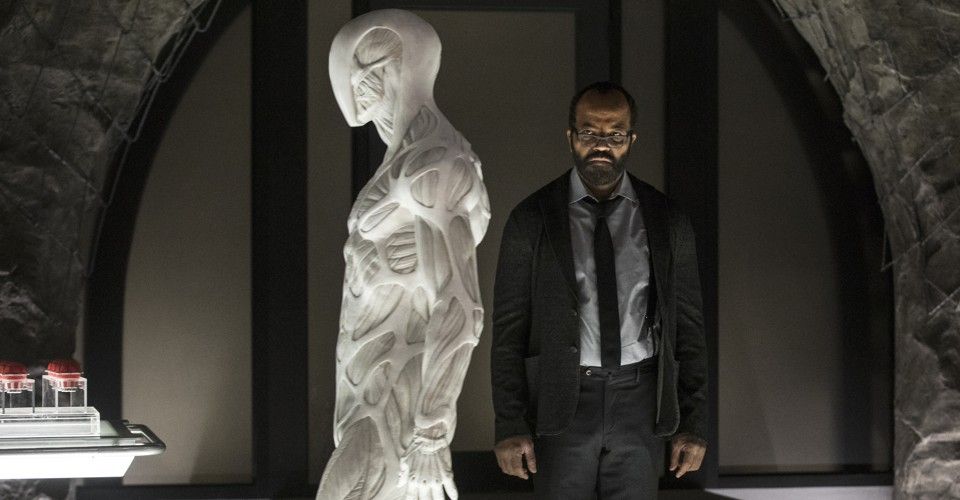
‘Westworld’ and the Question of Immortality

Westworld’s first season was largely focused on the abuse of artificial life, given that the park hosts’ purpose almost exclusively revolved around sex, violence, and suffering. The freedom Dolores and her ilk were fighting for was simple consciousness—a right to their own memories and self-awareness. In just the first four episodes, Westworld’s second season has exploded that basic quest into all kinds of fascinating directions, but “The Riddle of the Sphinx” was the first to really grapple with one of the most obvious questions in AI, which is: Isn’t artificial intelligence the key to immortality?


Three Atlantic staffers discuss “The Riddle of the Sphinx,” the fourth episode of Season 2.

How Microsoft is using location data to map the future (VB Live)

The power of the cloud, artificial intelligence, and machine learning is making smart cities and data-based Location of Things navigation a reality. Join the Principal Product Manager for Microsoft Azure Maps and others and learn how advanced location technology will revolutionize everything from autonomous cars to connected cities. Don’t miss this VB Live event!

Register here for free.

Location data is the foundation of technology: It’s what binds a device and a user, a user and the environment they’re in. And as location data moves to the cloud and gets smarter, powered by artificial intelligence and machine learning, the number of potential applications for smart location data is exploding, says Chris Pendleton, Principal PM for Azure Maps. We’re on the threshold of creating a smarter society, built on the hundreds of millions of connected devices that together create The Location of Things.

These Army Graphic Novels Predict the Future of Cyber Warfare

In “Engineering a Traiter,” the year is 2027, and a former military officer named Jay Roberts has just engineered a missile attack in downtown Houston — except he doesn’t know that it’s his fault.

This sombre graphic novel tells the story of Roberts, an army engineer working in Texas who’s been targeted by a militia eager to gain access to building codes in order to orchestrate a terrorist attack. With sophisticated A.I., the militia manipulate everything in Roberts’s life. The news he sees is curated to instil hopelessness and despair, and family members’ social media accounts are hijacked to distance Roberts from loved ones. Frustrated and alone, he eventually confesses security information to a “friend” he’s made online, allowing the militias the access they’ve been hoping for. Once they have what they want, Roberts’ social media is manipulated to make him look like a radicalized terrorist. When the attack occurs, he takes the fall.

The narrative may be science fiction, but it paints a realistic — if not paranoid — vision of the future. That bleakness is exactly what Brian David Johnson wanted when he began penning a series of graphic novels for the Army Cyber Institute at West Point.

/* */