The robot can drive heavy steal beams into the ground at a rate of 1 per 73 seconds, which will help expedite solar farm construction.
Category: robotics/AI – Page 1,529
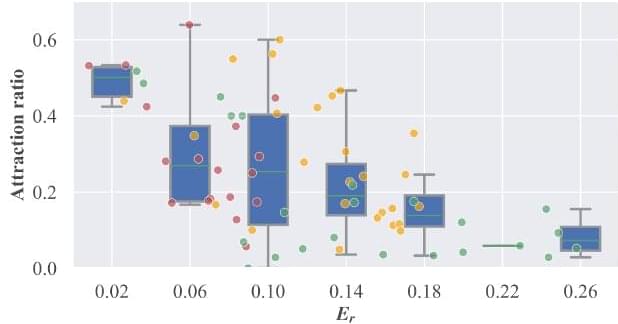
Study observes the interactions between live fish and fish-like robots
In recent decades, engineers have created a wide range of robotic systems inspired by animals, including four legged robots, as well as systems inspired by snakes, insects, squid and fish. Studies exploring the interactions between these robots and their biological counterparts, however, as still relatively rare.
Researchers at Peking University and China Agricultural University recently set out to explore what happens when live fish are placed in the same environment as a robotic fish. Their findings, published in Bioinspiration & Biomimetics, could both inform the development of fish-inspired robots and shed some new light on the behavior of real fish.
“Our research team has been focusing on the development of self-propelled robotic fish for a considerable amount of time,” Dr. Junzhi Yu, one of the researchers who carried out the study, told Tech Xplore. “During our field experiments, we observed an exciting phenomenon where live fish were observed following the swimming robotic fish. We are eager to further explore the underlying principles behind this phenomenon and gain a deeper understanding of this ‘fish following’ behavior.”
Should We Stop Developing AI For The Good Of Humanity?
Almost 30,000 people have signed a petition calling for an “immediate pause” to the development of more powerful artificial intelligence (AI) systems. The interesting thing is that these aren’t Luddites with an inherent dislike of technology. Names on the petition include Apple co-founder Steve Wozniak, Tesla, Twitter, and SpaceX CEO Elon Musk, and Turing Prize winner Yoshua Bengio.
Others speaking out about the dangers include Geoffrey Hinton, widely credited as “the godfather of AI.” In a recent interview with the BBC to mark his retirement from Google at the age of 75, he warned that “we need to worry” about the speed at which AI is becoming smarter.
Many high-profile tech figures, including Steve Wozniak and Elon Musk, are calling for a pause in the development of AI over concerns about its potential to cause harm, whether intentionally or unintentionally. Is the speed of advancement outpacing the ability to put in place adequate safeguards?
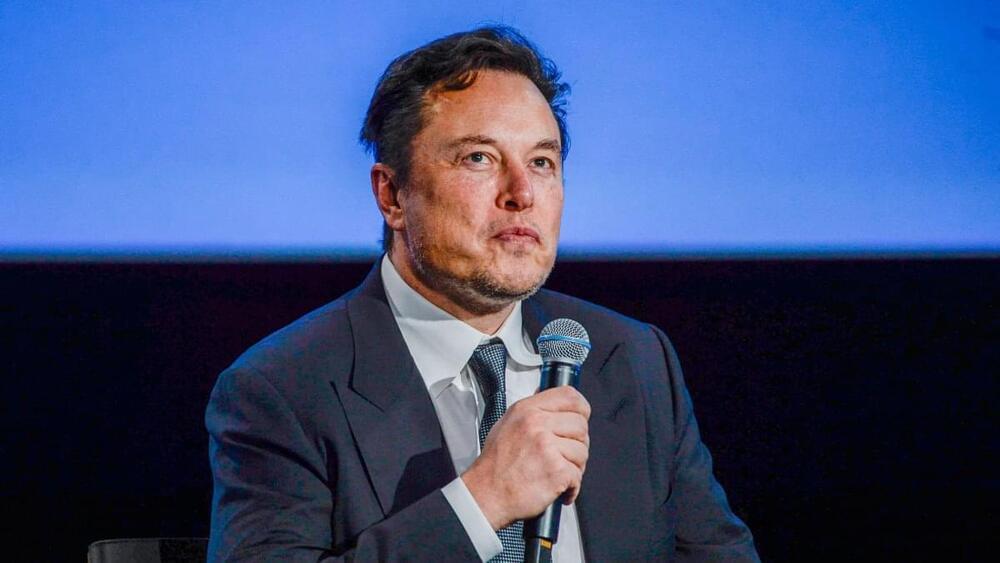
Elon Musk wants to develop TruthGPT, ‘a maximum truth-seeking AI’
On Tuesday, Elon Musk said in an interview with Fox News’ Tucker Carlson that he wants to develop his own chatbot called TruthGPT, which will be “a maximum truth-seeking AI” — whatever that means.
The Twitter owner said that he wants to create a third option to OpenAI and Google with an aim to “create more good than harm.”
“I’m going to start something which you call TruthGPT or a maximum truth-seeking AI that tries to understand the nature of the universe. And I think this might be the best path to safety in the sense that an AI that cares about understanding the universe is unlikely to annihilate humans because we are an interesting part of the universe,” Musk said during the Fox & Friends show.
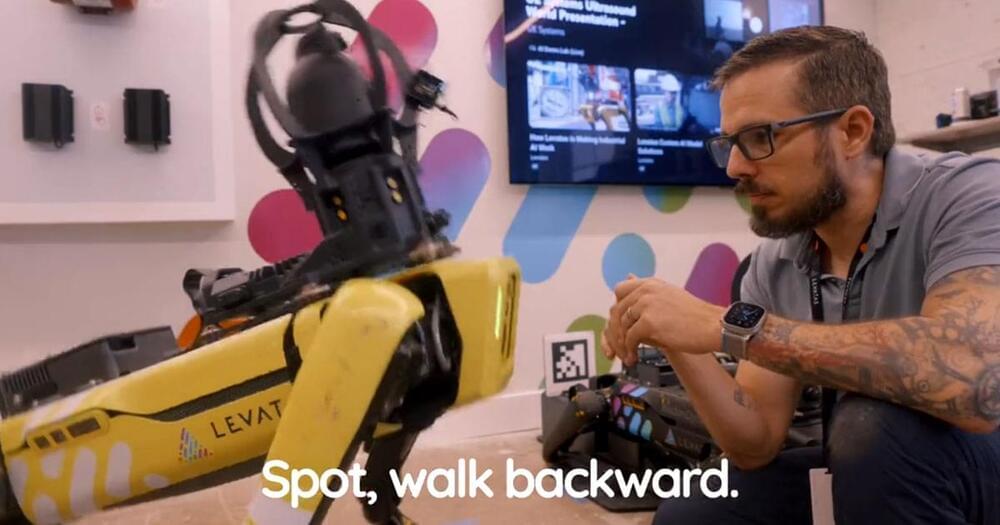
Oh Great, They Put ChatGPT Into a Boston Dynamics Robot Dog
As if robot dogs weren’t creepy enough, at least one is now equipped with OpenAI’s ChatGPT and can speak aloud.
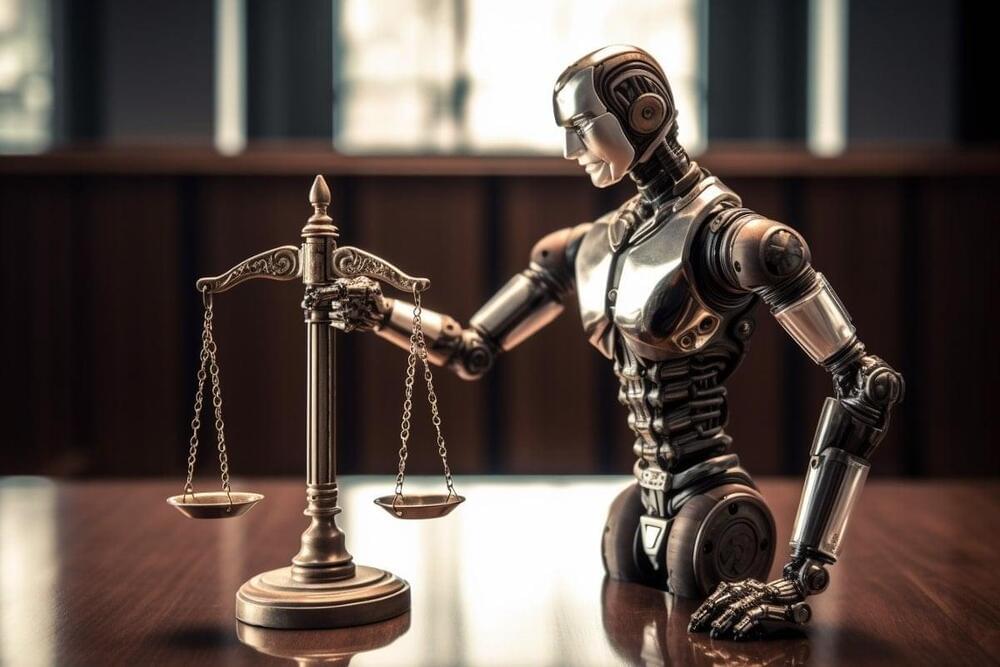
AI Models Misjudge Rule Violations: Human Versus Machine Decisions
Summary: Researchers found AI models often fail to accurately replicate human decisions regarding rule violations, tending towards harsher judgments. This is attributed to the type of data these models are trained on; often labeled descriptively rather than normatively, which leads to differing interpretations of rule violations.
The discrepancy could result in serious real-world consequences, such as stricter judicial sentences. Therefore, the researchers suggest improving dataset transparency and matching the training context to the deployment context for more accurate models.
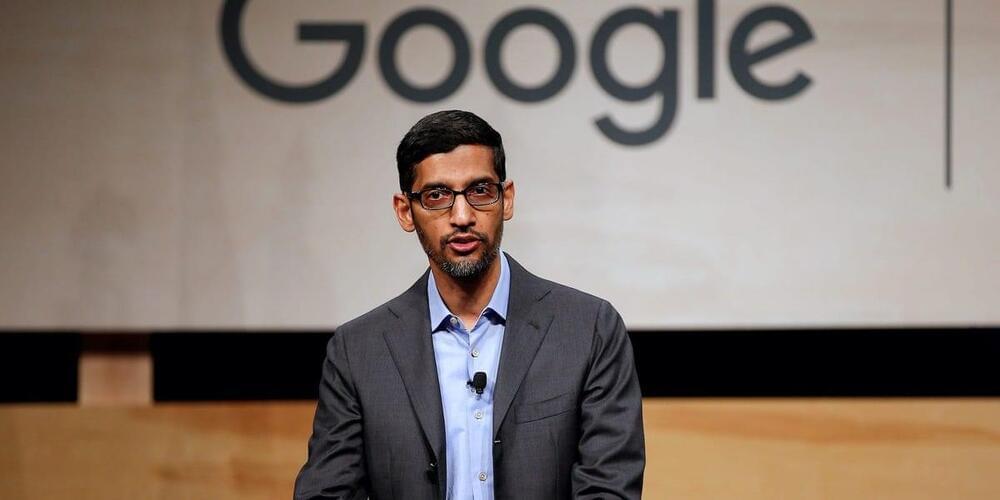
Sundar Pichai says ethicists and philosophers need to be involved in the development of AI to make sure it is moral, and doesn’t do things like lie
As generative AI gains traction and companies rush to incorporate it into their operations, concerns have mounted over the ethics of the technology. Deepfake images have circulated online, such as ones showing former President Donald Trump being arrested, and some testers have found that AI chatbots will give advice related to criminal activities, such as tips for how to murder people.
AI is known to sometimes hallucinate — make up information and continuously insist that it’s true — creating fears that it could spread false information. It can also develop bias and in some cases has argued with users. Some scammers have also used AI voice-cloning software in attempts to pose as relatives.
“How do you develop AI systems that are aligned to human values, including morality?,” Pichai said. “This is why I think the development of this needs to include not just engineers, but social scientists, ethicists, philosophers, and so on.”
Robot teaches itself to play ping pong in just 90 minutes
Year 2021 😗
It only took the robotic arm 90 minutes of both virtual and physical training to learn to play the game.
“It’s not worse than a regular human player,” Zelle said. “It’s already on par with me.”
Domestic chores could be done by robots 40% of the time within a decade
Advances in AI mean robots could be doing your weekly shop by the 2030s, according to a new study — and this could help close the gender gap. Here’s how.
The Future Is Here: Amazon Is Now Selling Astro, An AI Driven Household Robot
Additionally, with the boom of artificial intelligence (AI) and advanced language learning models, Astro’s capabilities will only continue to improve in being able to solve increasingly challenging queries and requests. Amazon is investing billions of dollars into its SageMaker platform as a means to “Build, train, and deploy machine learning (ML) models for any use case with fully managed infrastructure, tools, and workflows.” Furthermore, the company’s Bedrock platform enables the “development of generative AI applications using [foundational models] through an API, without managing infrastructure.” Undoubtedly, Amazon has the resources and technical prowess to truly make significant strides in generative AI and machine learning, and will increasingly do so in the coming years.
However, it is important to note that Astro is not the only gladiator in the arena. AI enthusiast and Tesla founder Elon Musk announced last year that Tesla is actively working on developing a humanoid robot named “Optimus.” The goal behind the project will be to “Create a general purpose, bi-pedal, autonomous humanoid robot capable of performing unsafe, repetitive or boring tasks. Achieving that end goal requires building the software stacks that enable balance, navigation, perception and interaction with the physical world.” Musk has also ensured that the bot will be powered by Tesla’s advanced AI technology, meaning that it will be an intelligent and self-teaching bot that can respond to second-order queries and commands. Again, with enough time and testing, this technology can be leveraged in a positive way for healthcare-at-home needs and many more potential uses.
This is certainly an exciting and unprecedented time across multiple industries, including artificial intelligence, advanced robotics, and healthcare. The coming years will assuredly push the bounds of this technology and its applications. This advancement will undoubtedly bring with it certain challenges; however, if done correctly, it may also empower the means to benefit millions of people globally.