A new AI-driven model exposes how complex magnetic domain patterns shape energy loss in electric motors.


Moltbook’s agents sat at that bridge, carrying credentials for their host platform and for the outside services their users had wired them into, in a place that neither platform owner had line of sight into. Most SaaS access reviews still examine one application at a time, which is the blind spot attackers are learning to target.
How Toxic Combinations Form
Toxic combinations are rarely the product of a single bad decision. They appear when an AI agent, an integration, or an MCP server bridges two or more applications through OAuth grants, API scopes, or tool-use chains, and each side of the bridge looks fine on its own because the bridge itself is what no one reviewed.

The commander of the U.S. Southern Command, Marine General Francis Donovan, has ordered the formation of a new command. This command, it turns out, is the so-called “autonomous warfare command” (SAWC).
The purpose of creating SAWC is stated as supporting the priorities of the US President’s National Security Strategy, the key directions of the Secretary of Defense’s National Defense Strategy, and the imperatives of SOUTHCOM (US Southern Command) itself.
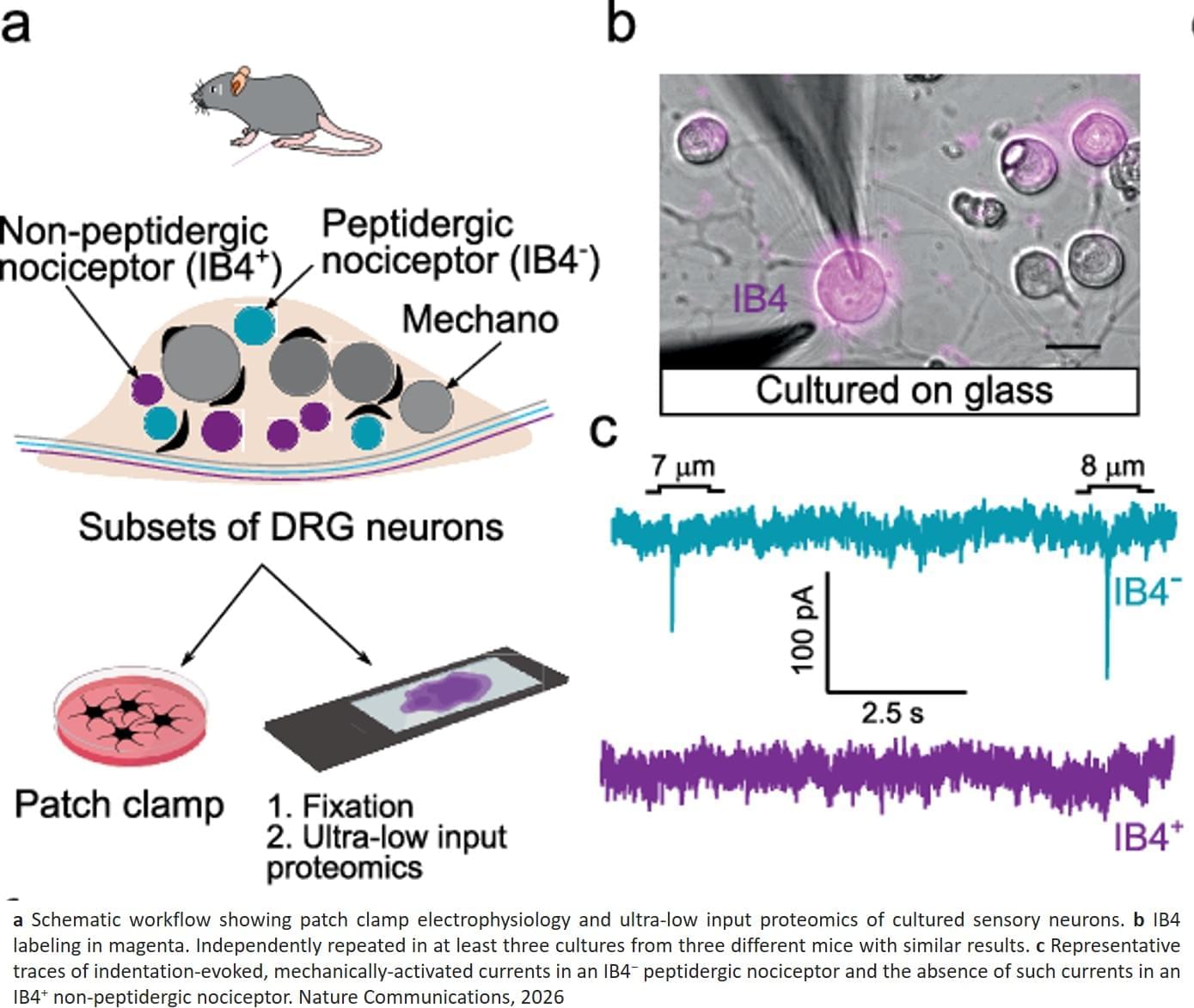
Nociception refers to how our nerves respond to stimuli that trigger pain. Nerves in skin and other peripheral tissues – such as muscles and joints – that detect damaging stimuli are called nociceptors; they relay signals to the brain to initiate pain.
Using an electrophysiological method known as the patch-clamp technique, the team first identified and characterized two nociceptor subtypes – peptidergic and non-peptidergic – in the spinal ganglia of mice. Each of these subtypes respond differently to similar stimuli and may initiate pain of different quality and duration.
The researchers used around 50 neurons of each subtype to generate a specific protein map for each of the two cell types. Deep Visual Proteomics combines mass spectrometry with microscopy, artificial intelligence and robotics. The team have so far mainly used this methodology for proteome analyses of cancer cells. “We have now shown for the first time that it can also be applied to nerve cells,” another co-senior author says.
The team measured more than 6,000 proteins in these 50 neurons. A comparison with existing RNA data revealed that the transcriptome and proteome of the cells differ significantly in some cases – an indication that key functional processes only become visible at the protein level. “We provide a unique molecular map of pain-initiating neurons,” says the author. “It enables the identification of signaling pathways in these cells that have so far remained hidden.”
In an additional step, the authors wanted to understand which proteins sensitize nerve cells, contributing to chronic pain. They isolated both types of nociceptors from mouse dorsal root ganglia and exposed them to a molecule called Nerve Growth Factor (NGF), which is known to trigger chronic pain both animals and humans, such as in arthritis. Using Deep Visual Proteomics, the researchers were able to precisely identify the proteins produced after the cells were exposed to NGF.
“We identified several proteins that were present in higher levels in a subset of nociceptors following treatment with NGF. The higher levels of these proteins could be linked to long term pain associated with inflammation,” says the first author. One of the proteins, an enzyme called B3GNT2, stood out in particular. “When we knocked out the corresponding gene in the cells, the inflammation-induced hyperactivity of nociceptors was reduced. Fewer cells responded to mechanical stimulus,” the author says. In other words, the neurons had become less sensitive and would elicit much less pain. ScienceMission sciencenewshighlights.
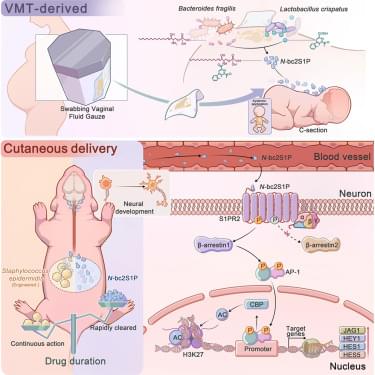
“Vaginal microbiota transfer ameliorates cesarean-associated neurodevelopmental deficits in mice via microbial N-bc2S1P synthesis on neonatal skin” http://spkl.io/6184A4yYI
CellHostandMicrobe.
This website uses a security service to protect against malicious bots. This page is displayed while the website verifies you are not a bot.
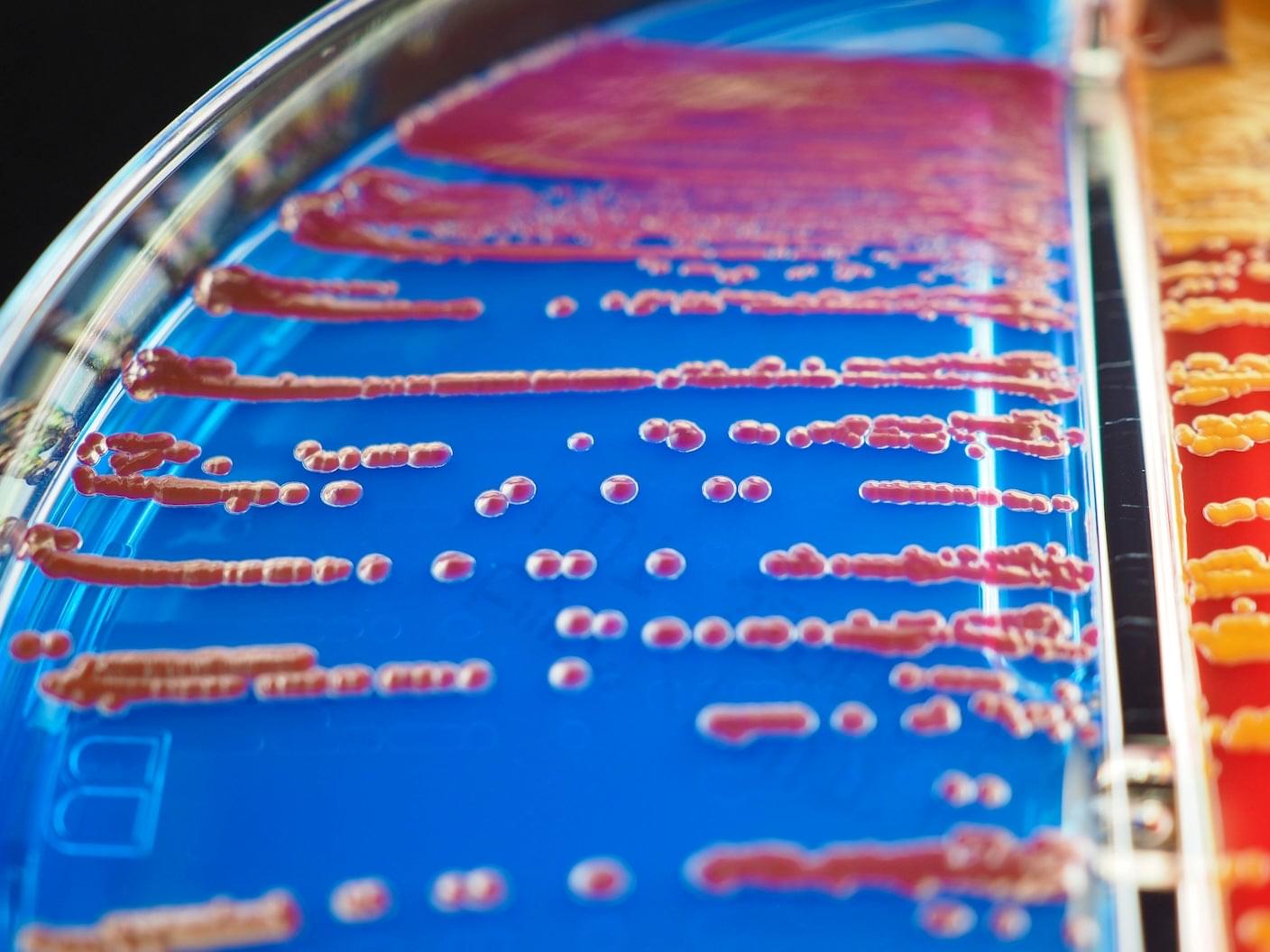
Now, MIT scientists have released an AI called DefensePredictor that can root out new bacterial defense systems in five minutes, instead of weeks or months. As proof of concept, DefensePredictor churned through hundreds of thousands of proteins in multiple strains of Escherichia coli (E. coli). Over 600 proteins not previously linked to immune defense popped up. Added to a vulnerable strain of bacteria, a subset of these protected them against attack.
“E. coli harbors a much broader landscape of antiphage defense than previously realized, expanding the likely number of systems by multiple orders of magnitude,” wrote the team.
These systems might hold secrets about how immunity evolved. And because the proteins may work in different ways, they could be a goldmine for next-generation precision molecular tools.
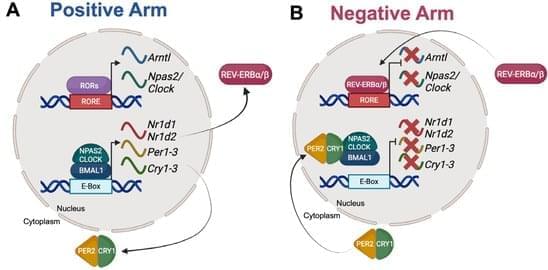
Circadian rhythms are predictable biological patterns that recur about every 24 h and, in mammals such as humans, are entrained to daylight by the hypothalamic suprachiasmatic nucleus (SCN). Although light is a potent zeitgeber for the SCN, cells outside of the SCN can synchronize to daily nutrient and metabolic cues. In these tissues, nutrient metabolic processes are regulated by the molecular clock in anticipation of food availability or scarcity. Furthermore, nutrients and metabolic processes themselves may act upon members of the molecular clock to regulate their expression and activity. These interactions maintain synchrony between the SCN and food-entrainable clocks when activity and nutrient intake align. However, the light-entrainable SCN and food-entrainable clocks can become desynchronized, particularly in modern society where humans are commonly exposed to shift work and jet lag. Therefore, the mechanisms for sensing nutrients at specific times of day are critical components of circadian timekeeping and organismal homeostasis. In the following narrative review, we aim to synthesize current evidence on time-of-day-dependent nutrient sensing in mammalian systems, examine how nutrient-derived signals and metabolic processes interact with molecular clock mechanisms across cellular and tissue levels, and evaluate the integration of central and peripheral clocks in regulating gene expression, energy utilization, and organismal homeostasis, including the impacts of feeding cycles and circadian disruption. While previous reviews have discussed circadian nutrient metabolism, this review provides conceptual support for the role of nutrients as time-of-day signaling mechanisms.
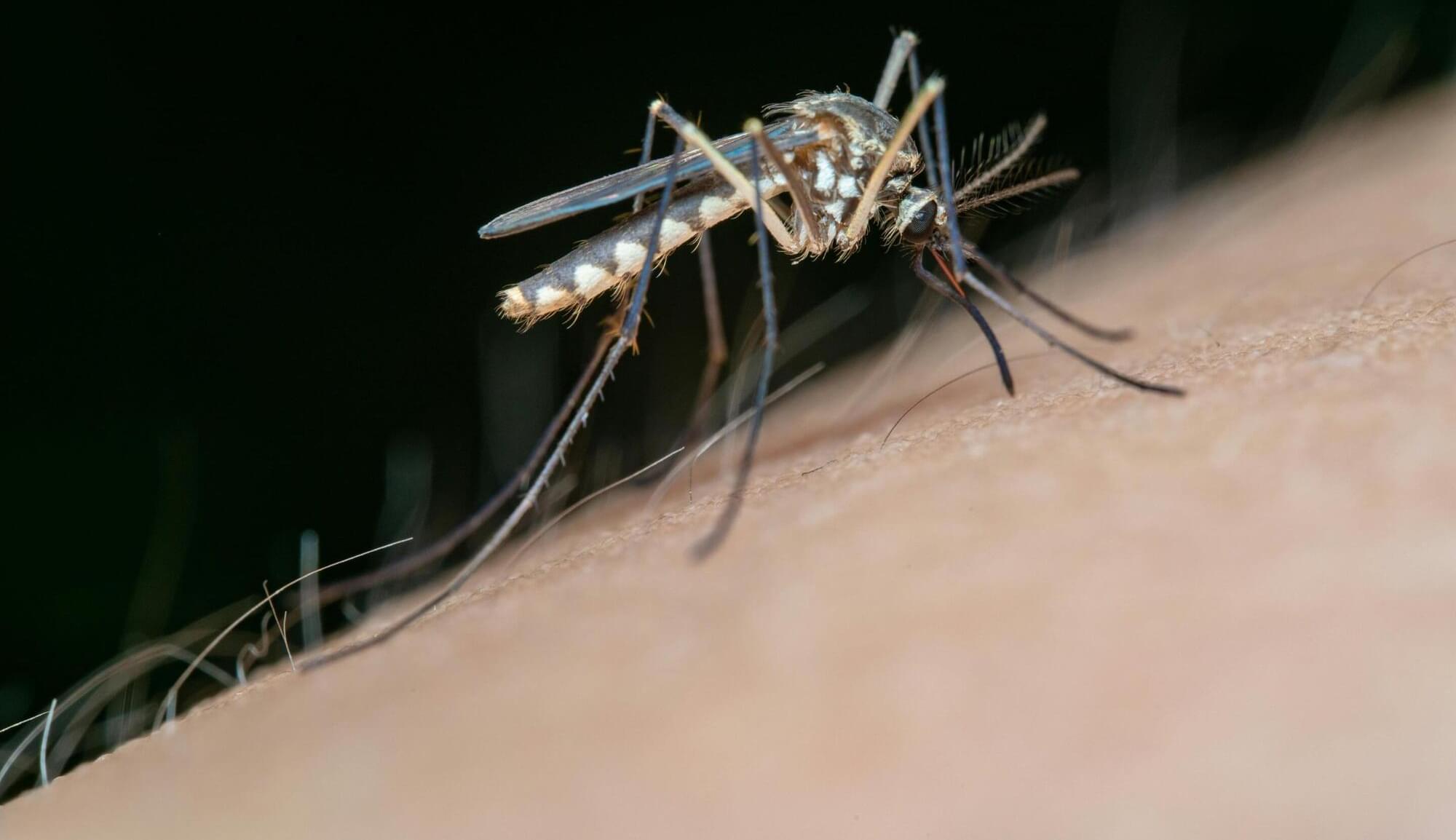
Despite decades of efforts to combat it, malaria remains a major global health threat. According to the World Health Organization’s (WHO) 2025 World Malaria Report, about 282 million cases and approximately 610,000 deaths were recorded worldwide in 2024. Recently, there has been a slight rise in the number of cases again. Children under the age of 5 in sub-Saharan Africa are particularly affected.
While many millions of lives have been saved since 2000, progress is slowing down. Reasons for this include drug and insecticide resistance, the effects of climate change, and weak health systems. The WHO stresses that increased international efforts and innovative approaches are urgently needed to curb malaria in the long term.
“For over 100 years, the Bernhard Nocht Institute for Tropical Medicine has been dedicated to researching and combating malaria,” says Prof. Jürgen May, Chairman of the BNITM Board. “In view of stagnating progress and new challenges, it is clear how important new scientific approaches are. A key factor here is the use of modern data analysis.