
If you want to avoid technical books full of intimidating math
Category: quantum physics – Page 332
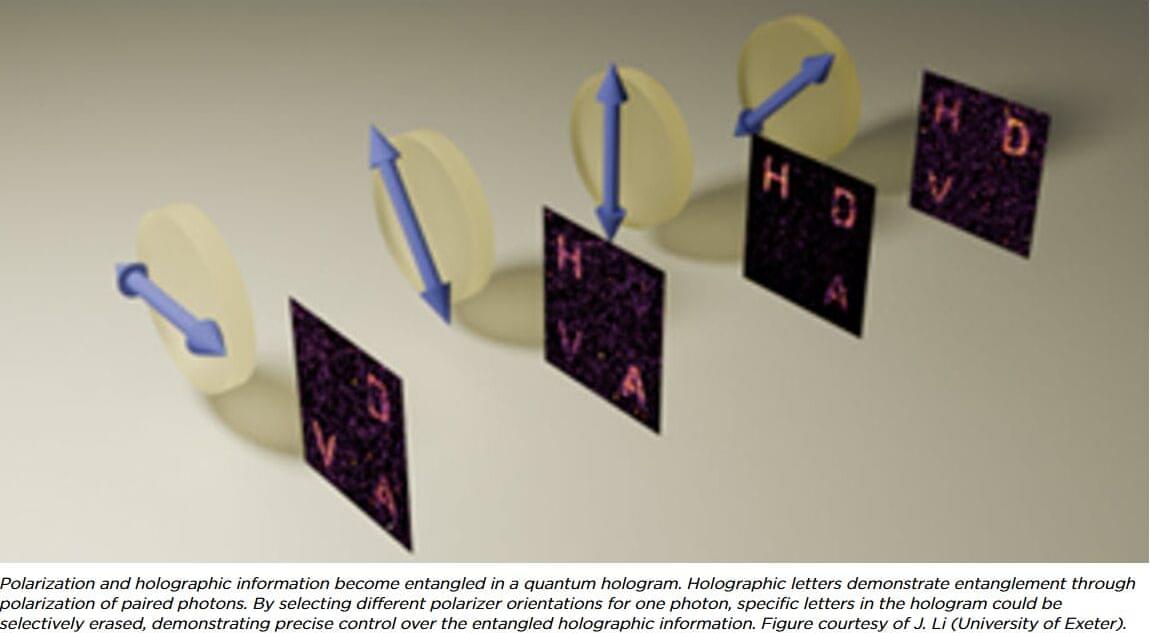
Holograms with a twist: Entangling light and information
Quantum holograms using polarized light and metasurfaces enable precise control over entangled holographic information, advancing practical applications in quantum communication and anticounterfeiting technologies

Quantum Computers Just Got Smart Enough to Study Their Own Entanglement
In a striking development, researchers have created a quantum algorithm that allows quantum computers to better understand and preserve the very phenomenon they rely on – quantum entanglement. By introducing the variational entanglement witness (VEW), the team has boosted detection accuracy while
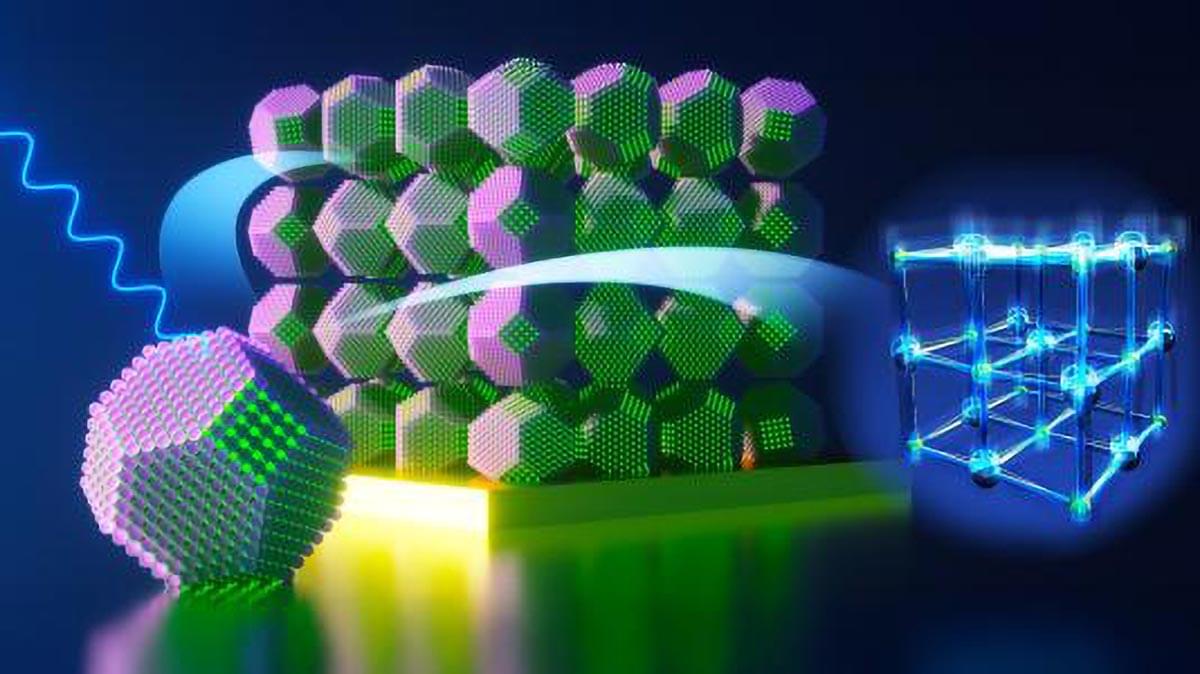
Quantum Dots Rebuilt by Light in a Trillionth of a Second
Argonne scientists have unveiled new methods for controlling material properties. The breakthrough enables researchers to design materials with customized properties, offering unprecedented control over their optical and electronic behaviors. Imagine building a Lego tower with perfectly aligned

Quantum Computer Generates Truly Random Number in Scientific First
A quantum machine has used entangled qubits to generate a number certified as truly random for the first time, demonstrating a handy function that’s physically beyond even the most powerful supercomputer.
Researchers from the US and UK repurposed existing quantum supremacy experiments on Quantinuum’s 56-qubit computer to roll God’s dice. The result was a number so random, no amount of physics could have predicted it.
Quantum technology is becoming critical for secure electronic communication as cybersecurity threats increase.

Scientists Just Discovered Quantum Signals Inside Life Itself
Biological systems, once thought too chaotic for quantum effects, may be quietly leveraging quantum mechanics to process information faster than anything man-made.
New research suggests this isn’t just happening in brains, but across all life, including bacteria and plants.
Schrödinger’s legacy inspires a quantum leap.
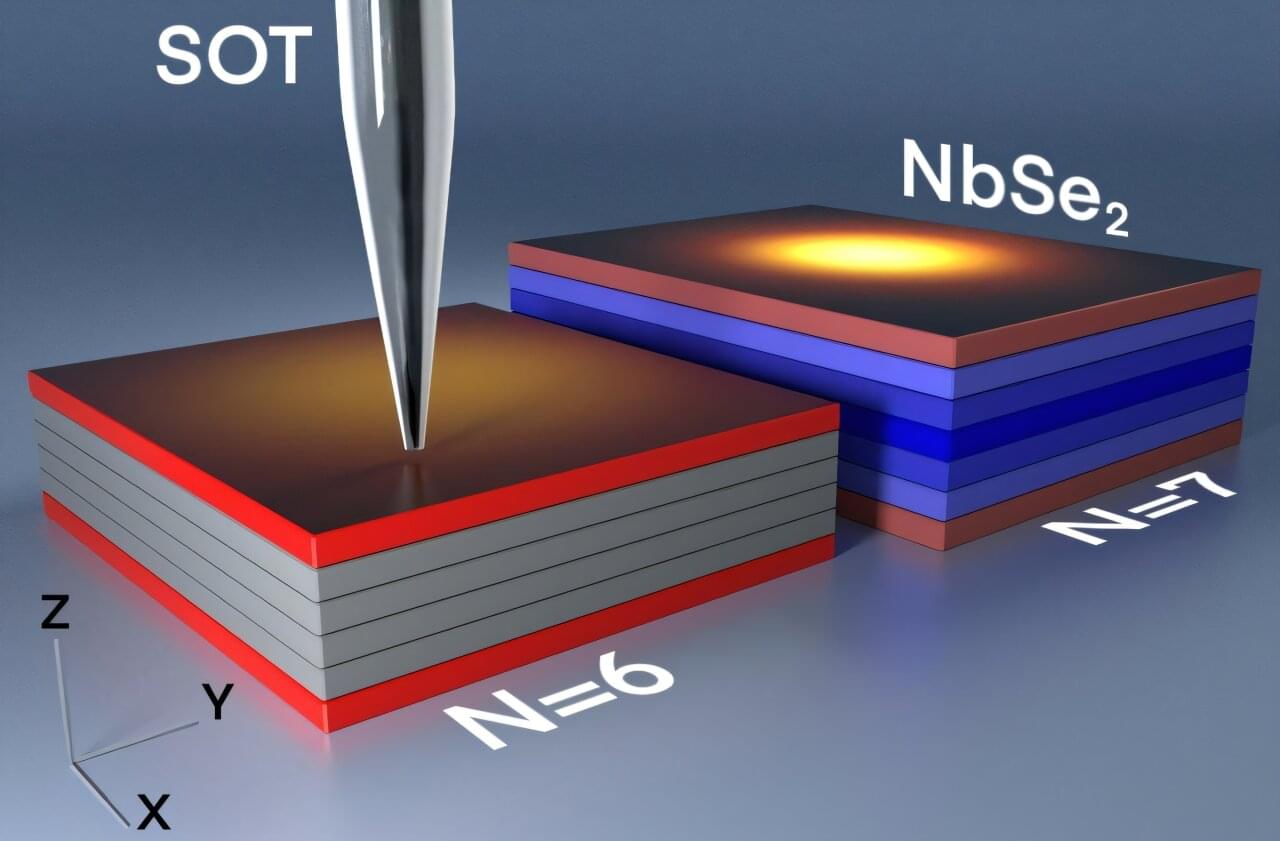
The hidden superconducting state in NbSe₂: Shedding layers and gaining insights
Researchers have discovered an unexpected superconducting transition in extremely thin films of niobium diselenide (NbSe2). Publishing in Nature Communications, they found that when these films become thinner than six atomic layers, superconductivity no longer spreads evenly throughout the material, but instead becomes confined to its surface.
This discovery challenges previous assumptions and could have important implications for understanding superconductivity and developing advanced quantum technologies.
Researchers at the Hebrew University of Jerusalem have made a surprising discovery about how superconductivity behaves in extremely thin materials. Superconductors are materials that allow electric current to flow without resistance, which makes them incredibly valuable for technology. Usually, the properties of superconductors change predictably when the materials become thinner; however, this study found something unexpected.

The High Cost of Quantum Randomness Is Dropping
Randomness is essential to some research, but it’s always been prohibitively complicated to achieve. Now, we can use “pseudorandomness” instead.
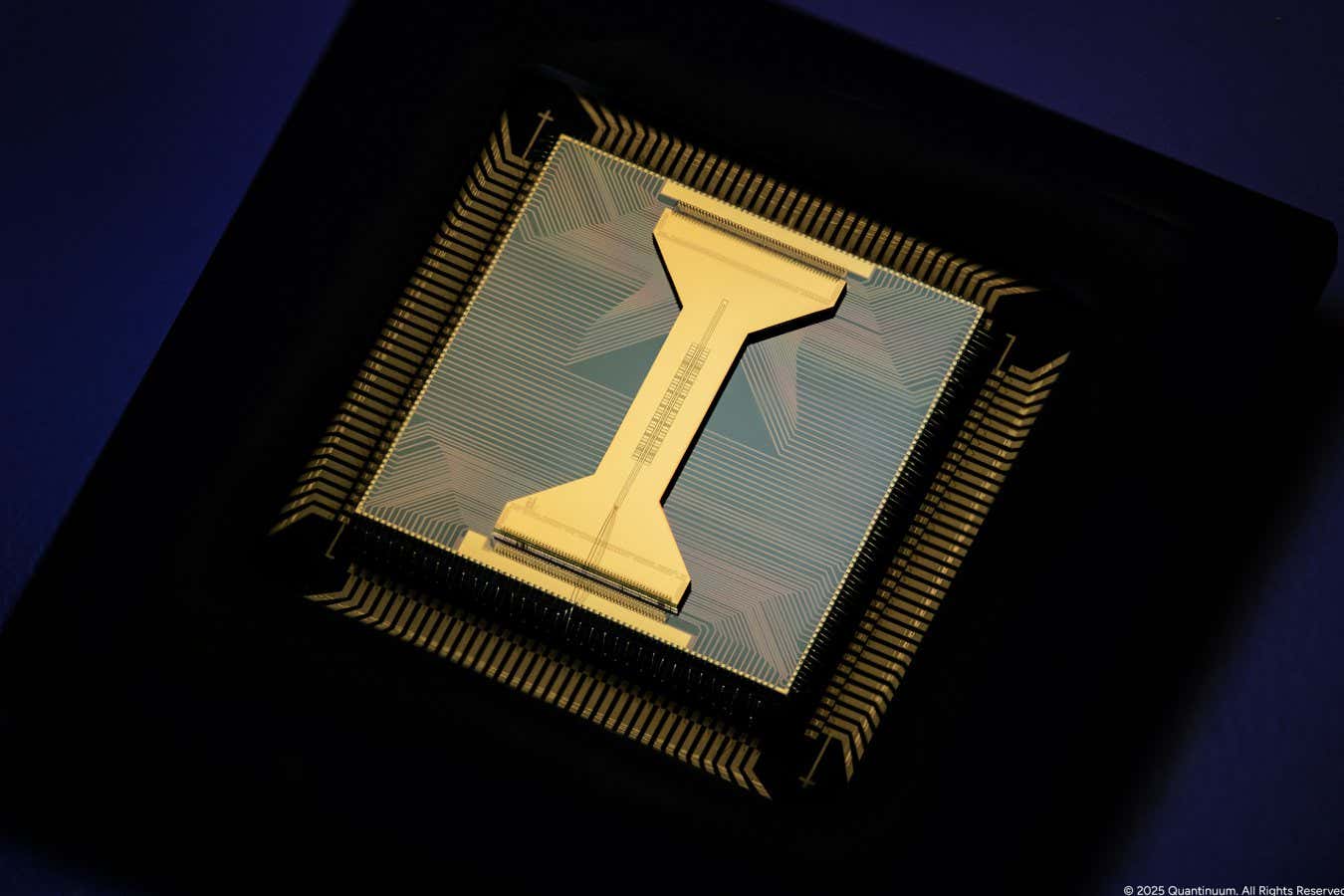
Quantum computers are on track to solve knotty mathematical problems
A quantum algorithm for solving mathematical problems related to knots could give us the first example of a quantum computer tackling a genuinely useful problem that would otherwise be impossible for a classical computer
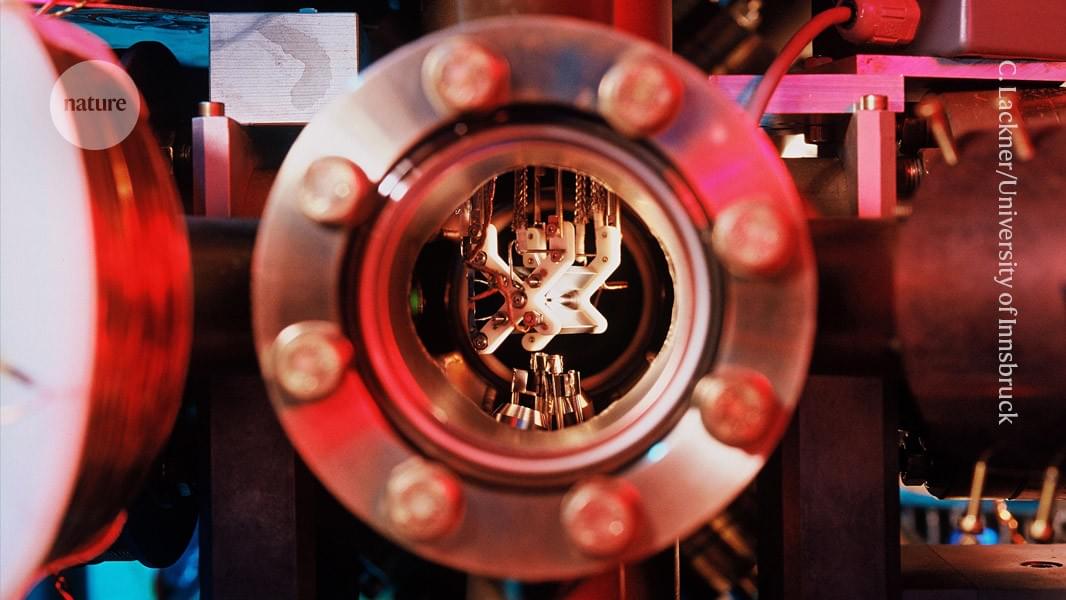
Meet ‘qudits’: more complex cousins of qubits boost quantum computing
Working with multi-dimensional entities could make calculations more efficient and reduce errors.