Toggle light / dark theme

This new laser could make things hotter than the centre of the Sun almost instantly

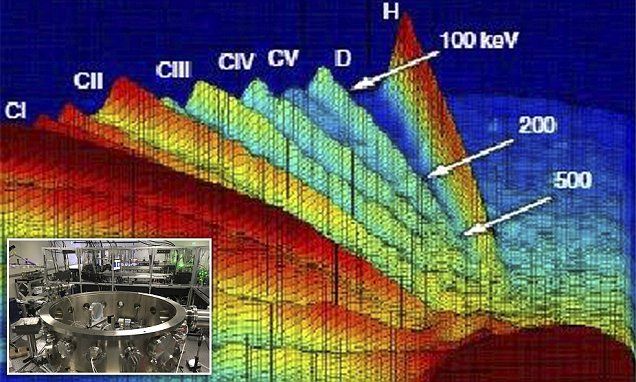
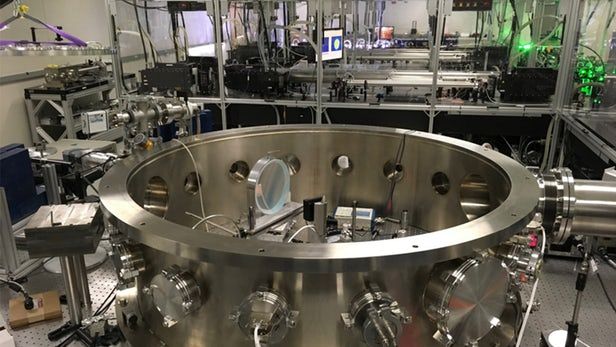
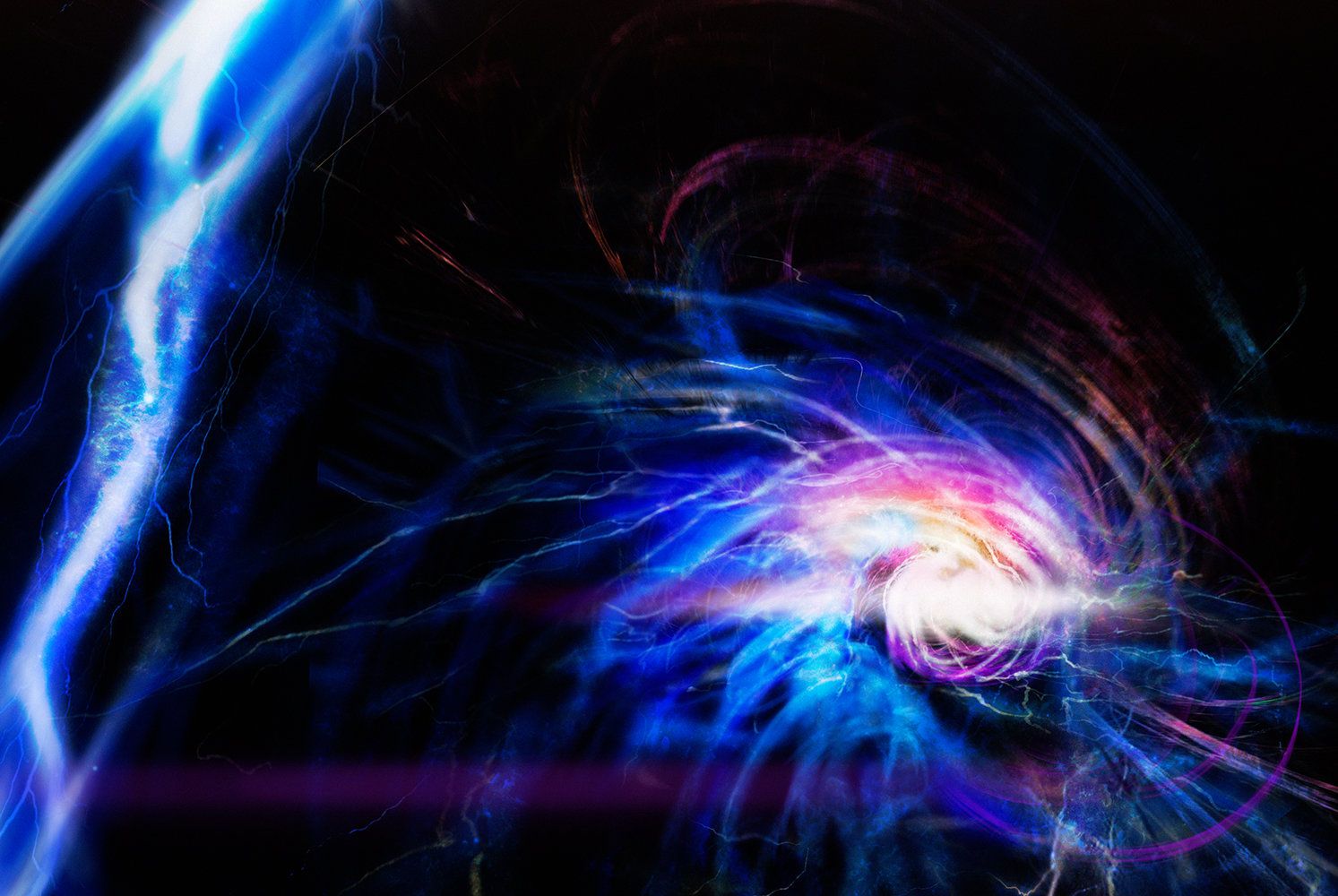
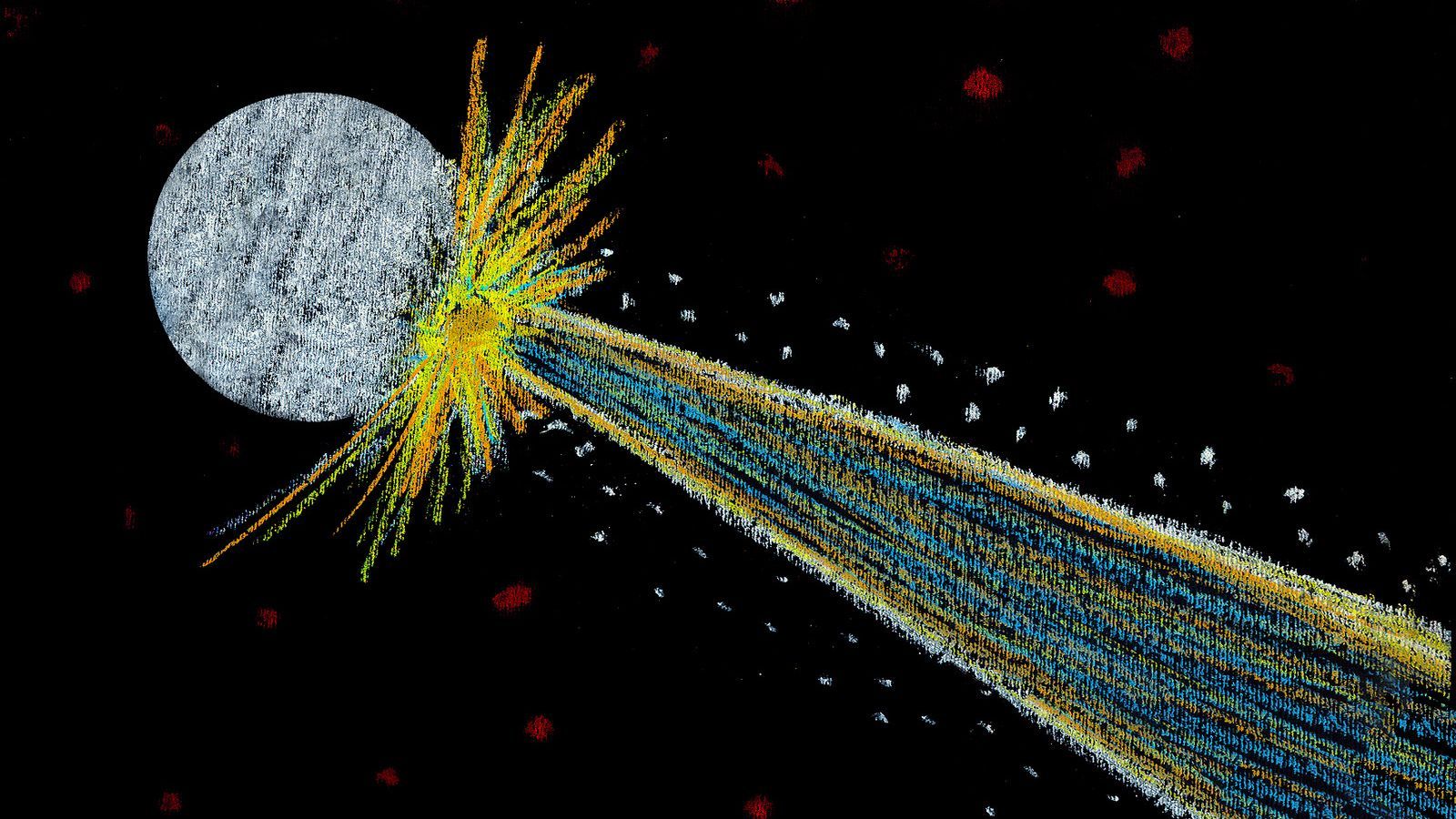
Scientists have proposed a laser model that can could heat materials to temperatures hotter than the centre of the Sun in just 20 quadrillionths of a second. That’s 10 million degrees Celsius almost instantaneously.

The discovery brings us one step closer to the dream of achieving thermonuclear fusion energy — the production of clean, sustainable, and limitless energy using the same process the Sun uses to produce heat.

The challenge in harnessing the energy from thermonuclear fusion is that, as with any form of energy production, you need to get out more than you put in, and heating things to temperatures that rival the centre of the Sun is not easy. Current laser technology has failed to make the heating process efficient enough to make the process worthwhile, but a team from Imperial College London in the UK has come up with a model for a laser than can heat things about 100 times faster than the world’s most powerful fusion experiments.

Read more

World’s Largest Fusion Reactor is About to Switch On

If “The Stellarator” sounds like an energy source of comic book legend to you, you’re not that far off. It’s the largest nuclear fusion reactor in the world, and it’s set to turn on later this month.

Housed at the Max Planck Institute in Germany, the Wendelstein 7-X (W7-X) stellarator looks more like a psychotic giant’s art project than the future of energy. Especially when you compare it with the reactor’s symmetrical, donut-shaped cousin, the tokamak. But stellarators and tokamaks work according to similar principles: In both cases, coiled superconductors are used to create a powerful magnetic cage, which serves to contain a gas as it’s heated to the ungodly temperatures needed for hydrogen atoms to fuse.

Stellarators are ridiculously hard to build, a fact which should be self-evident after one glance at the W7-X. Its 16 meter-wide ring is bristling with devices and cables of all shapes and sizes, including 250 access ports. The guts of the beast are no less chaotic: Fifty 6-ton magnetic coils, twisted and contorted like clocks in a Dalí. By comparison, the tokamak is an engineer’s dream.

Read more

Germany is about to start up a monster machine that could revolutionize the way we use energy

This is the energy source that will power the Singularity.

And everything else, too.


For more than 60 years, scientists have dreamed of a clean, inexhaustible energy source in the form of nuclear fusion.

And they’re still dreaming.

But thanks to the efforts of the Max Planck Institute for Plasma Physics, experts hope that might soon change.

‘Stellarator’ Reactor’s Strange Twisted Design Can Finally Make Fusion Power A Reality

Researchers are getting ready to turn on the world’s biggest ‘Stellarator’ fusion reactor. Called Wendelstein 7-X (W7-X), the reactor can uninterruptedly contain super-hot plasma for more than 30 minutes at a time. Scientists claim the rare design, which is contained in a giant lab in Greifswald, Germany, can finally help make fusion power a reality. Comprising super-hot plasma for long durations has been the Holy Grail for nuclear reactor designs, and can help researchers to deliver an inexhaustible source of power. Fusion reactors, for instance the W7-X, work by using two isotopes of hydrogen atoms — deuterium and tritium — and inserting that gas into a restraint vessel. Researcher then add energy that eliminates the electrons from their host atoms, creating what is described as an ion plasma, which discharges enormous amounts of energy.

Read more

Fusion reactors ‘economically viable’ in a few decades, say experts

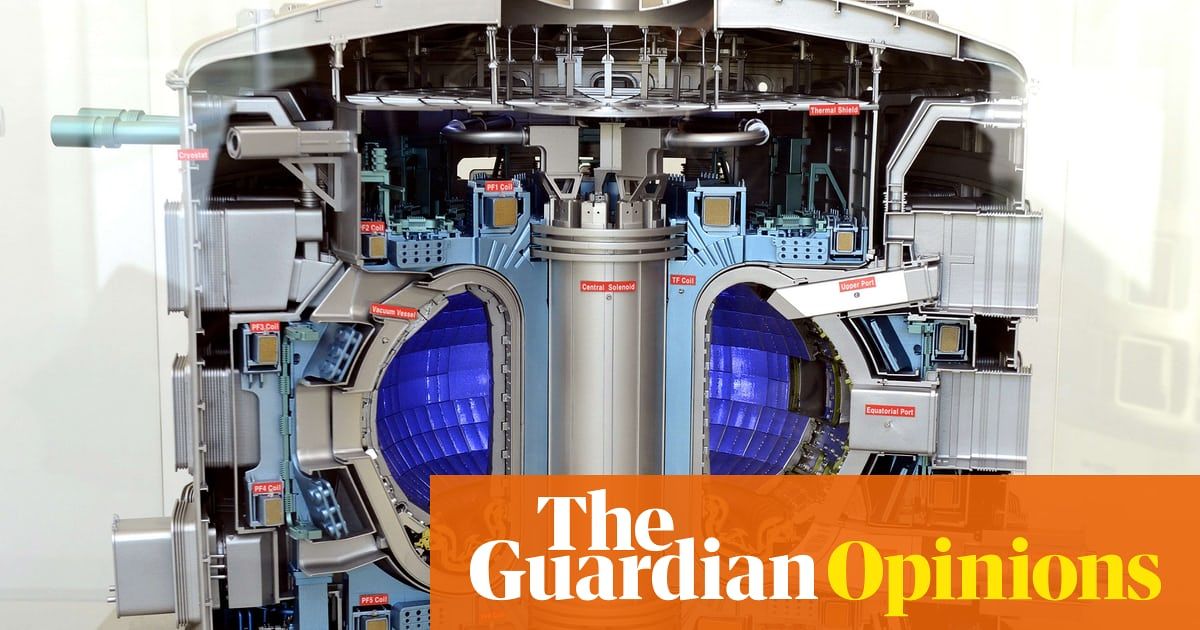
An illustration of a tokamak with plasma (credit: ITER Organization)

Fusion reactors could become an economically viable means of generating electricity within a few decades, replacing conventional nuclear power stations, according to new research at Durham University and Culham Centre for Fusion Energy in Oxfordshire, U.K.

The research, published in the journal Fusion Engineering and Design, builds on earlier findings that a fusion power plant could generate electricity at a price similar to that of a fission plant and identifies new advantages in using new superconductor technology.

Read more

/* */