It was thought that spongy bone in woodpeckers’ heads cushioned their brains from hard knocks, but in fact their skulls are stiff like a hammer.
Category: neuroscience – Page 985
Dr Dana Merriman, PhD — UW-Oshkosh — Hibernation Biology & Applications In Human Health & Resilience
Hibernation Biology & Applications In Human Health & Resilience — Dr. Dana K. Merriman, Ph.D., Distinguished Professor Emerita of Biology; Director of the Squirrel Colony, UW-Oshkosh.
Dr. Dana K. Merriman Ph.D. (www.uwosh.edu/facstaff/merriman/VaughanHome), is Distinguished Professor Emerita of Biology, and Director of the Squirrel Colony, at University of Wisconsin Oshkosh, and Adjunct Professor of Ophthalmology & Visual Sciences, Medical College of Wisconsin.
With her BA in Biological Science and her PhD in Physiology and Cell Biology, both from University of California-Santa Barbara, as well as having spent time as a Postdoctoral Fellow at University of Utah Health Sciences Center, a core focus of Dr. Merriman’s laboratory research over the years has been the development of a captive breeding colony of the 13-lined ground squirrels.
This unique, one-of-a-kind captive breeding program, due to this species very unique cone-dominant, diurnal visual system, as well as their impressive physiological ability to survive in hibernation for over six months without food or water, has served investigators with animals and custom-dissected tissues from the US, Asia, and Europe for decades, as well as been core to Dr Merriman’s own work on vision, including cone cell biology and retinal function during the metabolic state transitions associated with hibernation.
Over the years, Dr. Merriman expanded her research horizon well outside of vision, into neuroscience, and in recent years she has collaborated on studies of muscle physiology, viral genomics, molecular biology of transposable elements, and comparative genetics of the control of coat patterning.
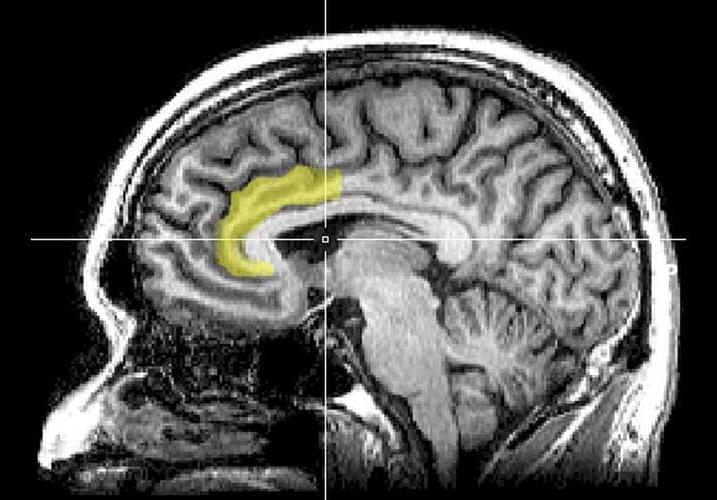
Brain changes linked to decreased anxiety following attention bias modification training
A new study has identified neuroplastic changes in brain structure that accompany attention bias modification training in highly anxious individuals. The findings, which appear in the journal Biological Psychology, shed light on the mechanisms underlying the efficacy of the treatment.
Research has demonstrated that the brain prioritizes threating information over non-threatening information. But in highly anxious individuals, this attentional bias can become exaggerated and detrimental. The authors of the new study sought to better understand the changes in brain structure that result from attention bias modification, an intervention that seeks to systematically train attention away from threatening stimuli and toward neutral stimuli.
“Our lab has had a longstanding interest in understanding the behavioral and neural mechanisms of affective attention and attentional bias to affective information,” said study authors Josh Carlson and Lin Fang of the Cognitive x Affective Behavior & Integrated Neuroscience (CABIN) Lab at Northern Michigan University.



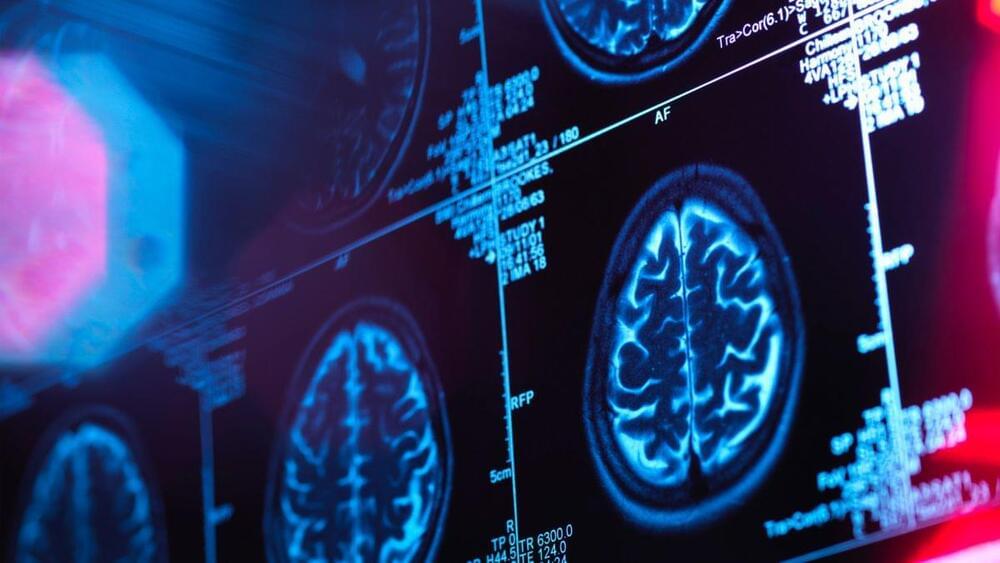
Type 3 diabetes: symptoms, causes and treatments
The term ‘type 3 diabetes’ has been used by some to describe Alzheimer’s disease.
While most of us are familiar with type 1 and type 2 diabetes, you may not have come across the term ‘type 3 diabetes’ before. First things first, this is not to be confused with type 3c diabetes, which is something else entirely. It is, however, related to insulin resistance in the brain.
Being diagnosed as insulin resistant generally means that someone is either prebiabetic or has type 2 diabetes. But scientists have proposed that it can also result in the brain’s neurons lacking glucose, which is needed for proper function, and this can lead to symptoms of Alzheimer’s disease.
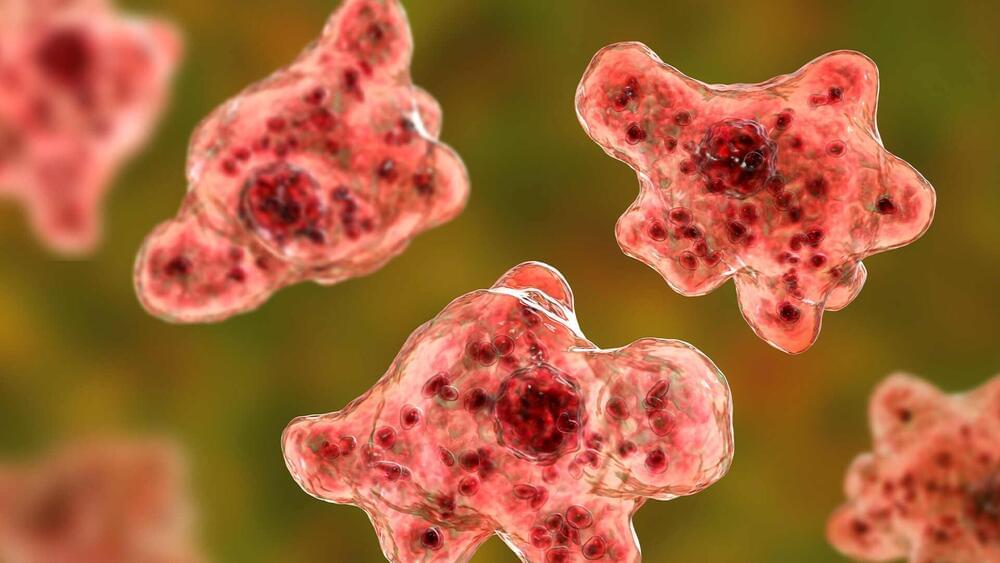
This map shows which US lakes contain brain-eating amoebas
The CDC has released a map that shows where brain-eating amoebas are infecting people in lakes across the U.S.
A few days ago, a Missouri resident who went swimming in the Lake of Three Fires in Taylor County, Iowa, was hospitalized after a microscopic amoeba entered through their nose and started eating away at their brain.
Better known as Naegleria fowleri, the single-celled organism that thrives in warm freshwater, travels up the nose to the brain where it rapidly multiplies and begins feasting on brain tissue. It can infect people when they are swimming or diving, by entering through their nose.
The state health department reported the case was only the second instance in a Missouri resident and the first in 35 years.
Liz Parrish interviewed by María Zabay for the Spanish newspaper “Ok Diario” (English & Spanish)
I share this revealing interview given by Liz Parrish, “Patient Zero” in biological rejuvenation, to a journalist in Madrid, Spain. It took place in July 10, 2022 and lasts 20 minutes.
During the interview Liz speaks in English. However, the journalist, whose name is María Zabay, speaks mostly in Spanish.
Don’t miss it because Liz says things that most people don’t know about her and her company BioViva Sciences.
Liz Parrish, patient zero in gene therapy for full-body and brain biological rejuvenation, is interviewed by María Zabay.
María is a writer, speaker, director and host of television programs, as well as actress.