Toggle light / dark theme

Microglia clears amyloid-β in Alzheimer’s immunized patients

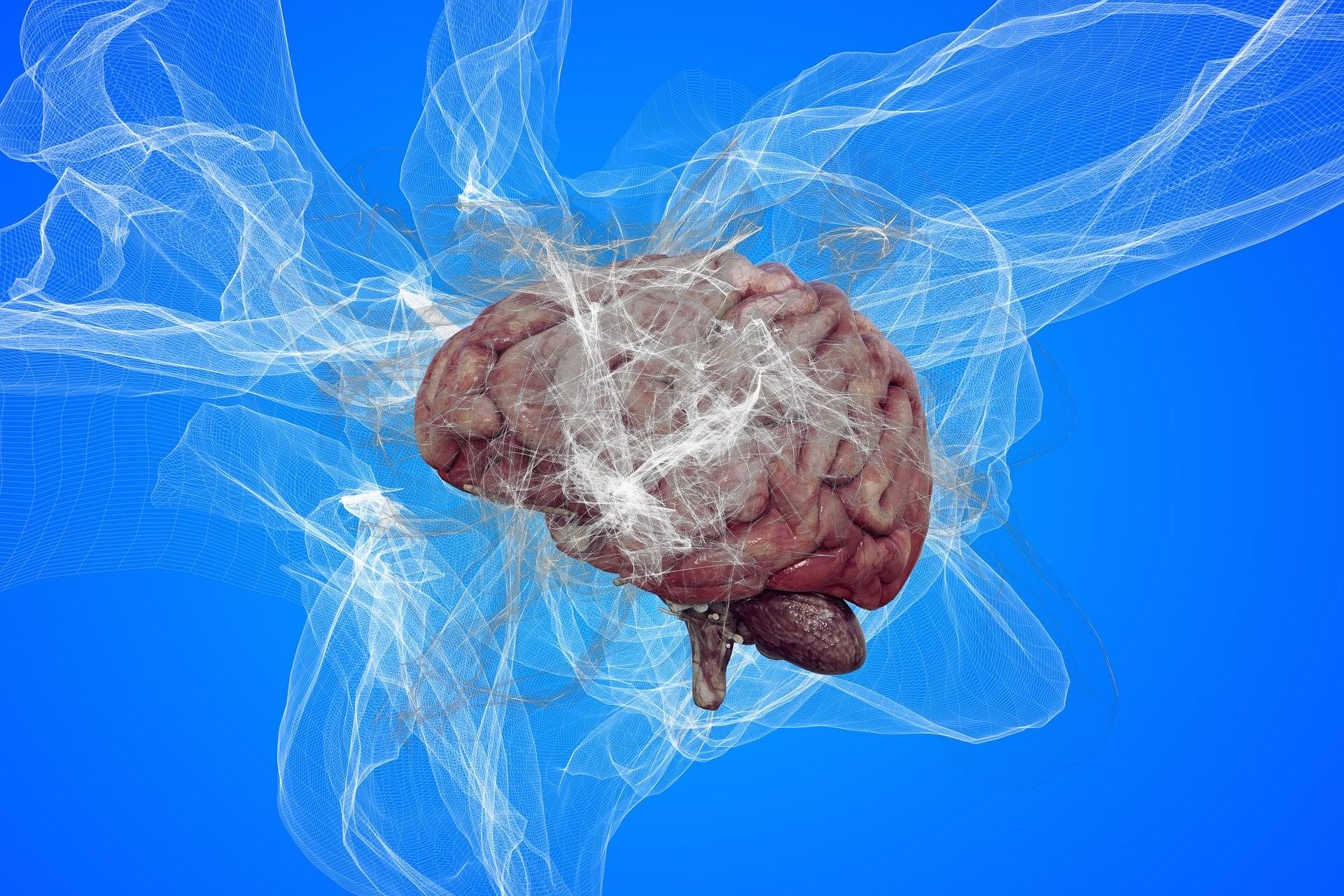
The study is the first to use a cutting-edge technique called spatial transcriptomics on human clinical-trial brains with Alzheimer’s disease. The technique allows scientists to pinpoint the specific spatial location of gene activity inside a tissue sample.

By analyzing donated brain tissue from deceased people with Alzheimer’s disease who received amyloid-beta immunization and comparing it to those who did not, the scientists found that when these treatments work, the brain’s immune cells (called microglia) don’t just clear plaques — they also help restore a healthier brain environment.

But not all microglia are created equal. Some are quite effective at removing plaques, while others struggle, the study found. Also, microglia in treated brains adopt distinct states depending on the brain region and type of immunization. Lastly, certain genes, like TREM2 and APOE, are more active in microglia in response to treatment, helping these cells remove amyloid beta plaques, according to the findings.

“The idea is that in people who already have Alzheimer’s disease, yes, you can maybe remove amyloid, but if the tau spread has been set in motion, you are fighting an uphill battle,” the author said. “But maybe, if you treat people so early that they don’t yet have tau pathology, you can stop the domino effect from happening. Our study is the first to identify the mechanisms in microglia, the brain’s immune cells, that help limit the spread of amyloid in certain brain regions following treatment with amyloid-targeting drugs.


For more than three decades, scientists have been racing to stop Alzheimer’s disease by removing amyloid beta plaques — sticky clumps of toxic protein that accumulate in the brain. Now, a new study suggests a promising alternative: enhancing the brain’s own immune cells to clear these plaques more effectively.

The findings could reshape the future of Alzheimer’s treatments, shifting the focus from simply removing plaques to harnessing the brain’s natural defenses.

Earlier attempts at an Alzheimer’s vaccine failed when the immune system’s response caused dangerous brain swelling. Even today’s FDA-approved antibody treatments remain controversial, offering only modest benefits with potential side effects and high-price points.

February 2025 Longevity Review

February’s Longevity Review is now available, with a look at how the combination of Omega 3, Vit D & exercise can slow aging; a human trial of young blood plasma; Klotho gene therapy to increase lifespan; and, in the Canadian content study, how cellular reprogramming protects retinal neurons in multiple sclerosis.


A review of the most interesting and impactful longevity related studies from Febuary, with a look at how the combination of Omega 3, Vit D & exercise can slow aging; a human trial of young blood plasma; Klotho gene therapy to increase lifespan; and, in the Canadian content study, how cellular reprogramming protects retinal neurons in multiple sclerosis.

Contents:

1. Intro 0:00
2. Omega 3, Vitamin D & Exercise Slow Aging 0:55
3. Young Blood Plasma Human Trial 9:46
4. Klotho Gene Therapy Increases Lifespan 18:45.

Canadian Content Study.

Consciousness is quantum mechanical

Consciousness is one of the most fundamental aspects of our existence, but it remains barely understood, even defined. Across the world scholars of many disciplines — philosophy, science, social science, theology — are joined on a quest to understand this phenomenon.

Tune into one of the more original and controversial thinkers at the forefront of consciousness research, Stuart Hameroff, as he presents his ideas. Hameroff is an anaesthesiologist who, alongside Roger Penrose, proposes that the source of consciousness is structural, produced from a certain shape in our brain. He expands on this, and much more (such as evolution), in this talk. Have a listen!

To witness such topics discussed live buy tickets for our upcoming festival: https://howthelightgetsin.org/festivals/

Dendritic spines: The key to understanding how memories are linked in time

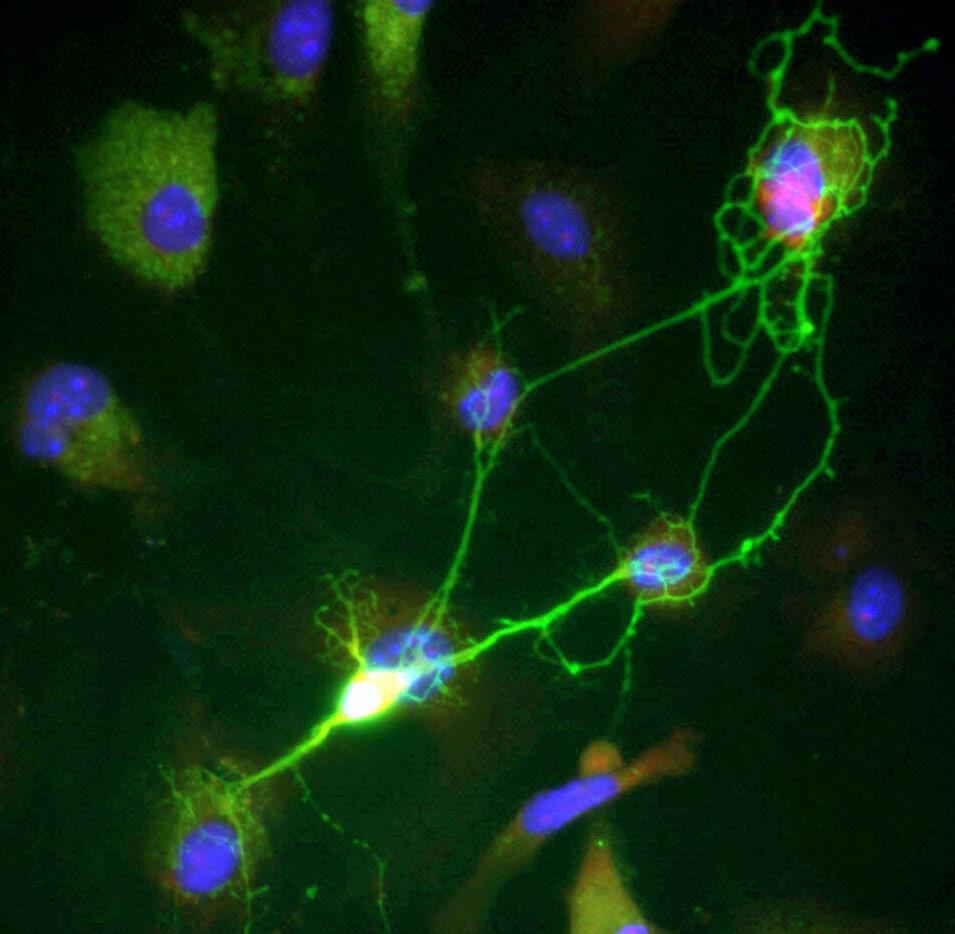
If you’ve ever noticed how memories from the same day seem connected while events from weeks apart feel separate, a new study reveals the reason: Our brains physically link memories that occur close in time not in the cell bodies of neurons, but rather in their spiny extensions called dendrites.

This discovery stems from studies in , in which researchers observed memory formation using advanced imaging techniques, including miniature microscopes that captured single-cell resolution in .

The study shows that memories are stored in dendritic compartments: When one memory forms, the affected dendrites are primed to capture new information arriving within the next few hours, linking memories formed close in time.

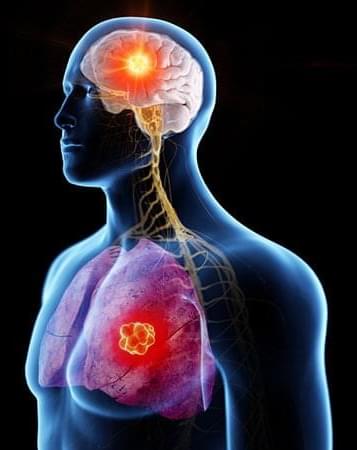
KAIST team discovers molecular switch to reverse cancer cells

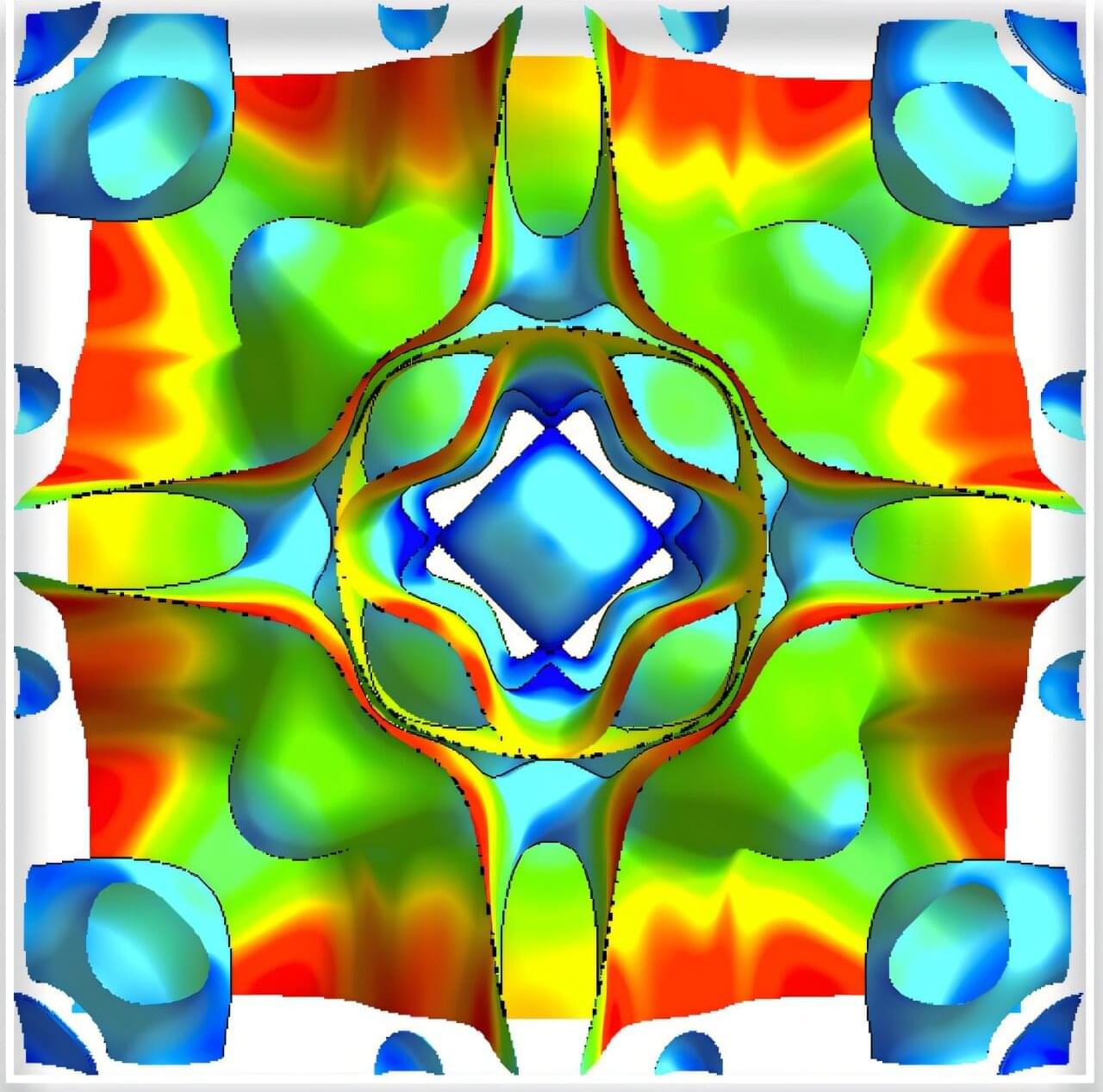
Professor Kwang-Hyun Cho’s research team has recently been highlighted for their work on developing an original technology for cancer reversal treatment that does not kill cancer cells but only changes their characteristics to reverse them to a state similar to normal cells. This time, they have succeeded in revealing for the first time that a molecular switch that can induce cancer reversal at the moment when normal cells change into cancer cells is hidden in the genetic network.

KAIST (President Kwang-Hyung Lee) announced on the 5th of February that Professor Kwang-Hyun Cho’s research team of the Department of Bio and Brain Engineering has succeeded in developing a fundamental technology to capture the critical transition phenomenon at the moment when normal cells change into cancer cells and analyze it to discover a molecular switch that can revert cancer cells back into normal cells.

A critical transition is a phenomenon in which a sudden change in state occurs at a specific point in time, like water changing into steam at 100℃. This critical transition phenomenon also occurs in the process in which normal cells change into cancer cells at a specific point in time due to the accumulation of genetic and epigenetic changes.

/* */