Toggle light / dark theme

Changing The Pace: Your Circadian Rhythm Can Make You Age Faster

We all have different circadian rhythms but they slow down during aging, and we may be able to do something about it.

Your body is in a state of constant flux and the circadian rhythm is its master regulator, controlling everything from sleep cycles to appetite and beyond. Jet lag is a side effect of a confused internal cycle as it adjusts to a new timetable. Shift work and irregular patterns of activity can also potentially cause some serious problems if sustained for a long period, including raising risk of type 2 diabetes, dementia and all cause mortality.

When researchers studied aging mice, they saw a progressive decline in levels of molecules called polyamines. These are involved with a number of processes, but particularly in cell growth and circadian rhythm. The drop in polyamines also coincided with a slowing of their circadian cycle — which increased disease risk.

Read more

How Traveling to Deep Space In Cryogenic Sleep Could Actually Work

Our bodies aren’t meant for space. We require too much maintenance to speed through the stars. We need a steady supply of things absent from space — namely water, food and oxygen. We crave warmth but won’t find it in deep space, where the average temperature is −455 degrees Fahrenheit. Even if we could survive in an icy vacuum without sustenance, we’d probably go insane without distractions and room to move.

But aeronautic engineers believe they have found the key to solving that puzzle: put your space travelers to sleep. Long-term cryogenic and hibernative sleep may be the key to getting humans to Mars, and beyond. But it may first come to a spa near you.

Read more

First Primitive Kidneys Grown From Stem Cells

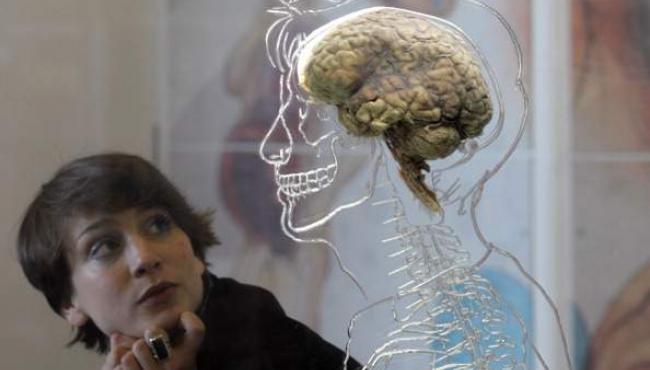
Scientists have managed to grow a miniature brain, and there’s a whole bunch of other so called ‘organoids’ we’re currently learning to perfect. We can now add kidneys to the tick box.


There have been a few mini-organ breakthroughs lately, and now we can grow simple kidneys in the lab too.

Regenerative medicine has incredible promise and provides hope that one day virtually any injury could be corrected. Scientists have managed to grow a miniature brain, and there’s a whole bunch of other so called ‘organoids’ we’re currently learning to perfect. We can now add kidneys to the tick box.

Read more

Ray Kurzweil’s Wildest Prediction: Nanobots Will Plug Our Brains Into the Web by the 2030s

I consider Ray Kurzweil a very close friend and a very smart person. Ray is a brilliant technologist, futurist, and a director of engineering at Google focused on AI and language processing. He has also made more correct (and documented) technology predictions about the future than anyone:

As reported, “of the 147 predictions that Kurzweil has made since the 1990s, fully 115 of them have turned out to be correct, and another 12 have turned out to be “essentially correct” (off by a year or two), giving his predictions a stunning 86% accuracy rate.”

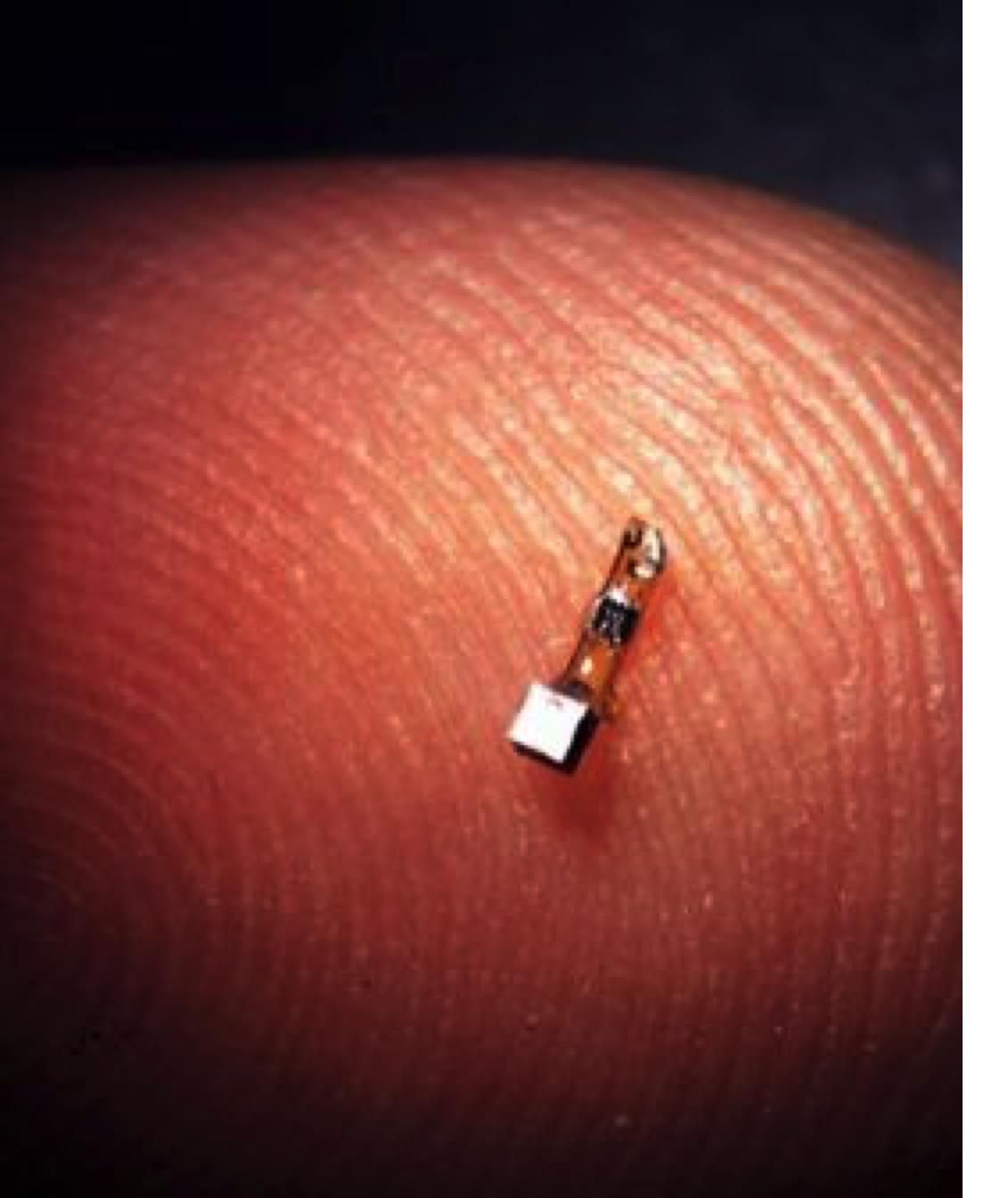
Two weeks ago, Ray and I held an hour-long webinar with my Abundance 360 CEOs about predicting the future. During our session, there was one of Ray’s specific predictions that really blew my mind.

Read more

Brain simulation breakthrough reveals clues about sleep, memory

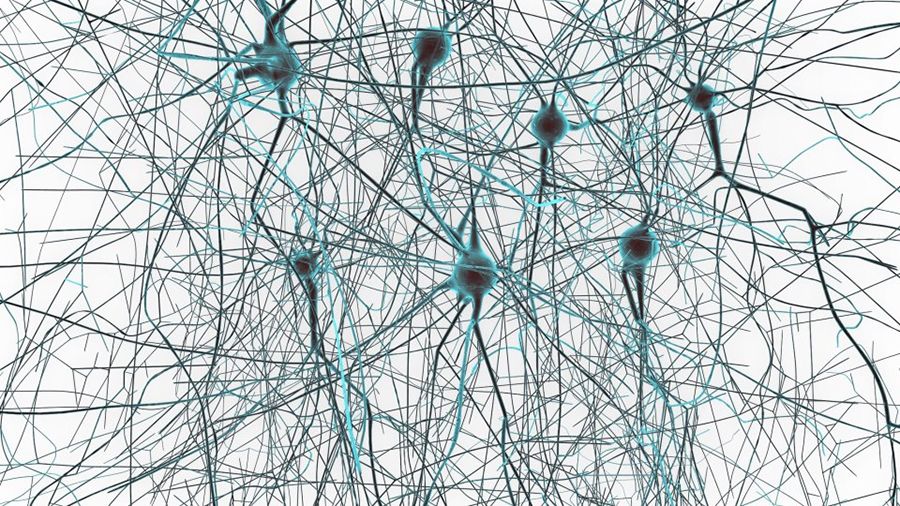
The Blue Brain Project is a vast effort by 82 scientists worldwide to digitally recreate the human brain. While still far from that goal, the team revealed a breakthrough that has already provided insight into sleep, memory and neurological disorders. They created a simulation of a third of a cubic millimeter of a rat’s brain. While that might not sound like much, it involves 30,000 neurons and 37 million synapses. In addition, the simulated level of biological accuracy is far beyond anything so far. It allowed them to reproduce known brain activities — such as how neurons respond to touch — and has already yielded discoveries about the brain that were impossible to get biologically.

To create the simulation, researchers did thousands of experiments on rat brains over a 20 year period, logging each type of synapse and neuron discovered. That led to a set of fundamental rules describing how neurons connect to synapses and form microcircuits. Using the data, they developed an algorithm to pinpoint the synapse locations, simulating the circuitry of a rat’s brain. All of that data was then run through a supercomputer: “It was only with this kind of infrastructure that we could solve the billions of equations needed,” said software lead Felix Schurmann.

Read more

The Possibilities and the Future of Brain Hacking

For all of man’s scientific and technological advances, the human brain largely remains a mystery. A new Vimeo video, “Master/Mind,” examines the state of research on the human mind and the questions that scientists, ethicists, futurists and others are asking in light of what we’re learning about the mind. The video, a Vimeo Staff Pick, consists of a series of comments from scientists, technologist, futurists and ethicists.

Automation, robotics and artificial intelligence are developing so rapidly that many people are wondering if some day, man will no longer harness science but rather be controlled by it. As this question weighs heavily on peoples’ mind, there has been a focus on understanding the human brain.

The central issue the video explores is: New technologies are beginning to unlock the brain’s true potential, but at what cost to our humanity?

Read more

/* */