Toggle light / dark theme

BrainQ aims to cure stroke and spinal cord injuries through mind-reader tech

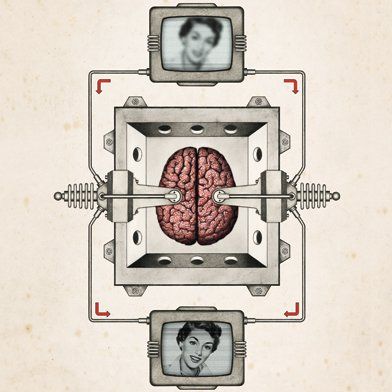
Israel-based BrainQ is a new neurotech startup hoping to take on brain-computer interface (BCI) companies like Braintree founder Bryan Johnson’s Kernel and Silicon Valley billionaire Elon Musk’s Neuralink.

It’s not clear yet what Musk’s startup intends to do with the computer chips it plans to put in our heads, but Johnson’s startup says it is focused on developing “technologies to understand and treat neurological diseases in new and exciting ways.”

Whatever sector each company goes for, both plan to insert chips in our brains to connect us to computers — the consequences of which could have dramatic effects on human memory, intelligence, communication and many other areas that could rocket humanity forward, should they work out.
Gene Cocktail Helps Hearts to Regenerate

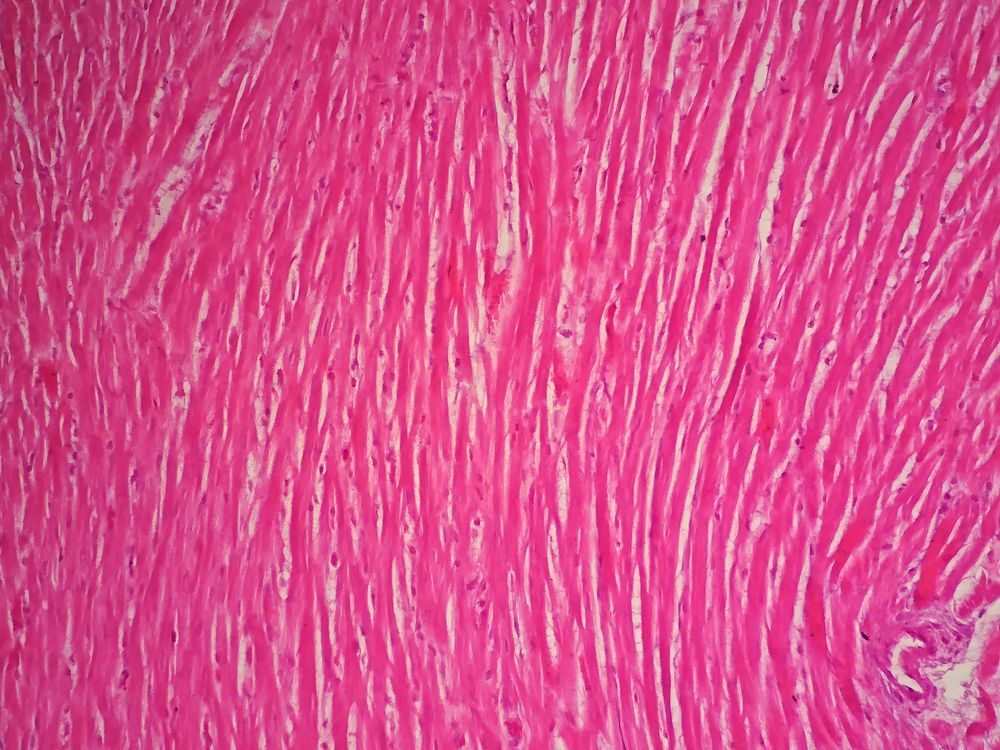
The human heart is an organ whose cells rarely divide, making tissue repair and regeneration a huge problem following a heart attack. Many animals, such as zebrafish and salamanders, are different; they can regenerate damaged hearts easily.

As humans, we also once had the same regenerative capacity during our early development, but after we were born, we lost this ability. This is also true for many other organs, including the brain, spinal cord, and pancreas. The cells in these tissues divide very rarely if at all, and this is a big problem. But, what if we could get that regenerative ability back and repair damage to our hearts the way these amazing animals do?

Researchers have been trying for decades to find out how we can enjoy the same tissue regeneration, but they have met with limited success—until now.

Brain signal shows when you understand what you hear

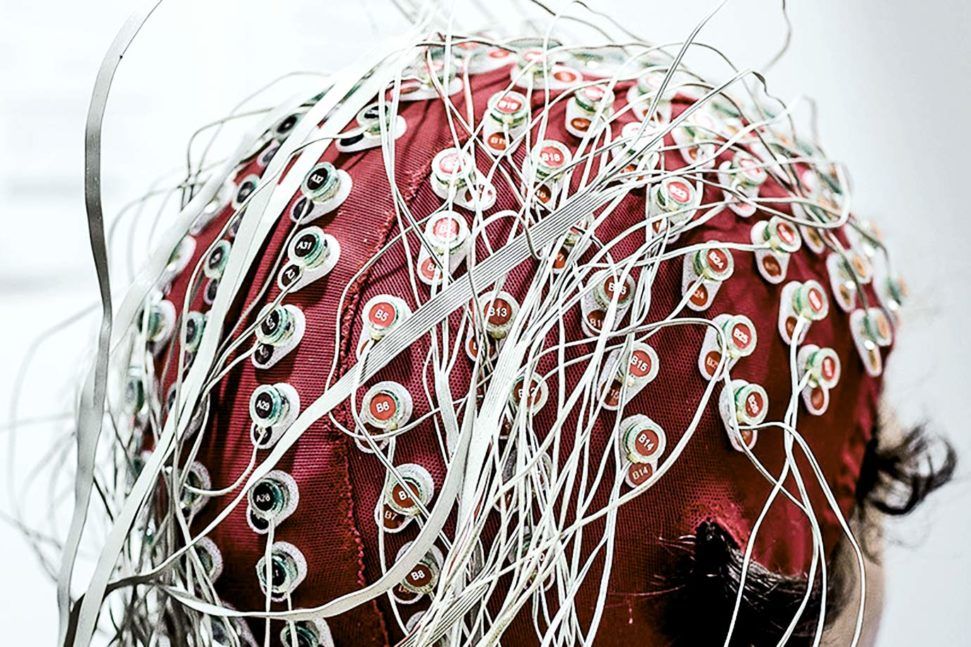
Researchers have identified a brain signal that indicates whether a person is comprehending what others are saying. The researchers have shown that they can track the signal using relatively inexpensive EEG (electroencephalography) readings taken on a person’s scalp.

During everyday interactions, people routinely speak at rates of 120 to 200 words per minute. For a listener to understand speech at these rates—and not lose track of the conversation—the brain must comprehend the meaning of each of these words very rapidly.

MIT imaging technique sheds light on the brain’s electrical activity

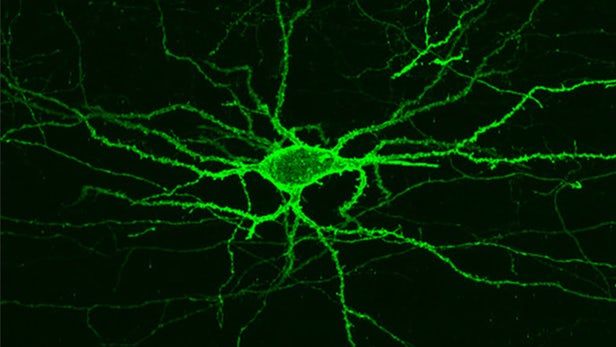
Researchers at MIT have developed an imaging technique that will help study exactly how electrical signals propagate through the brain, in an advance that could help us better understand Alzheimer’s, epilepsy, and other brain disorders, as well as how thoughts and feelings are formed.

Brain MRIs offer important insight into how our brains work, but they can only produce crude approximations of the areas that are activated by a given stimulus. In order to unravel the minutiae of how neurons communicate and collaborate to form thoughts and feelings, we would need imaging tools with vastly improved resolutions.

Today, far from being able to tackle the 86 billion neurons in the human brain, neuroscientists must settle for studying simple organisms like worms and fish larvae (with neuron counts in the hundreds), relying on slow and cumbersome methods like implanting electrodes into brain tissue to detect electrical signals.

We Might Finally Know Why The Blood of Young People Can Rejuvenate Old Brains

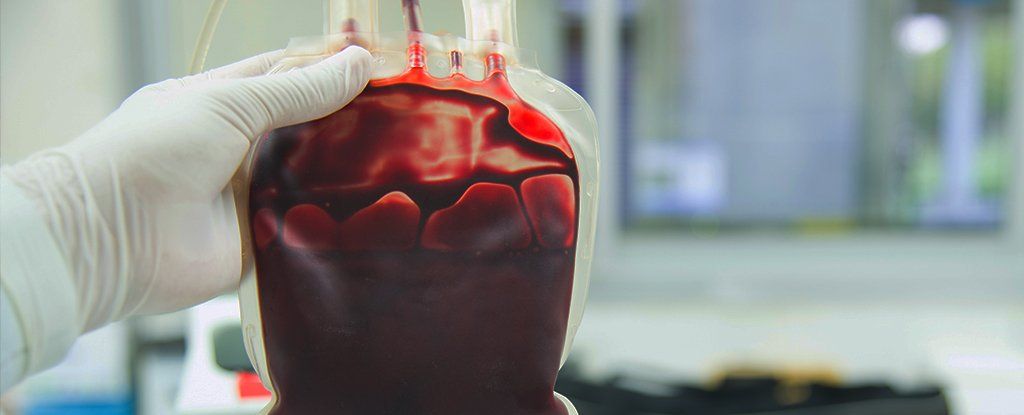
Scientists have been rejuvenating old mice with infusions of not just the blood of younger mice, but even blood from teenage human beings — and we finally have our first clues on why this strange technique works.

Researchers have discovered an enzyme that helps rescue ageing brains from cognitive decline. So far it’s only been shown in mice, but if the same mechanisms are found in humans, it could lead to a new class of anti-ageing therapies.

Four years ago, a team of researchers led by neurobiologist Saul Villeda from the University of California, San Francisco, discovered that giving older mice infusions of blood from younger mice improved their memory and learning by improving connections in the hippocampus.

A startup that wants to better understand the relationship our gut has to our brain just raised $66 million

A startup working to better understand the relationship our gut has with our brain has raised another $66 million.

New York-based Kallyope raised its series B round from new investors Two Sigma Ventures and Euclidean Capital. They were joined by Polaris Partners, Illumina Ventures, Lux Capital and others that had invested in Kallyope’s $44 million series A round in 2015.

Kallyope is trying to figure out how exactly the brain interacts with the gut by mapping it out. By collecting sequencing information about cells in the gut, for example, Kallyope can better figure out how they’re connected to neurons in the brain in a series of circuits. Understanding that relationship could lead to pills that could interact with the gut’s signals and in turn pass that message along to the brain.

Brain rejuvenating protein found in young blood

Summary: UCSF scientists discover a protein in young blood that rejuvenates an aging brain. [This article first appeared on LongevityFacts. Author: Brady Hartman. ]

Scientists have long been searching for the factors in young blood that give it its rejuvenating powers to drug form for widespread public use.

A team of researchers led by Saul Villeda, Ph.D., an assistant professor of anatomy at UC San Francisco discovered a brain-rejuvenating enzyme that improved memory in adult mice when restored to youthful levels. The researchers say the new protein could lead to new therapies for maintaining the healthy brain function of humans.