Category: neuroscience – Page 1,255
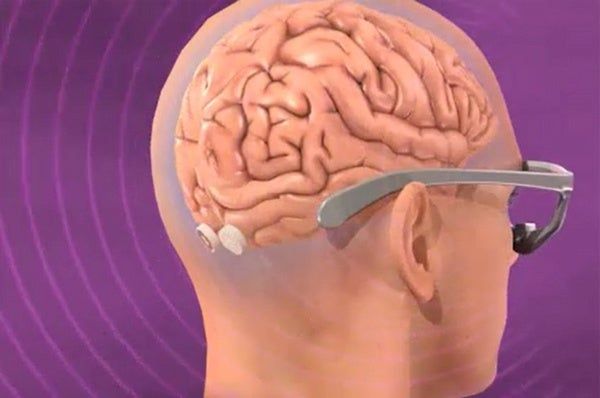
A New Type of Visual Prosthetic
In normal vision, light falls on the retinas inside the eyes, and is immediately transduced into electrochemical signals before being uploaded to the brain through the optic nerves. So you do not see light itself, but the brain’s interpretation of electrochemical signals in the visual parts of the brain. It follows that, if your eyes do not work, but your brain is stimulated just so, your visual neurons will activate (and you will be able to see) just the same as if your eyes were in perfect condition.
Sounds easy, but can we do that? Building on decades of research in visual neuroscience, my lab, in collaboration with Susana Martinez-Conde’s, has now conducted some of the studies that validate this idea, completing some of the most important preliminary steps towards a new kind of visual prosthetic.
Francis Collins, the Director of the National Institutes of Health, has just posted a blog that highlights our approach. He took notice of our work when we first presented it at this year’s meeting for the Principal Investigators of the BRAIN Initiative—the NIH led government funding initiative meant to spur research along on topics like brain implants. The BRAIN Initiative funds several agencies including the NIH, including the National Science Foundation, who kindly funded the grant driving our research thus far.

New evidence that optimists live longer
Exceptional longevity: the hunt for associated factors has concentrated on #genomics and biomarkers. What has been missed? Optimism. And it’s dose-dependent.
Researchers from Boston University School of Medicine (BUSM), National Center for PTSD at VA Boston Healthcare System and Harvard T.H. Chan School of Public Health, have found that individuals with greater optimism are more likely to live longer and to achieve “exceptional longevity,” that is, living to age 85 or older.
Optimism refers to a general expectation that good things will happen, or believing that the future will be favorable because we can control important outcomes. Whereas research has identified many risk factors that increase the likelihood of diseases and premature death, much less is known about positive psychosocial factors that can promote healthy aging.
The study was based on 69,744 women and 1,429 men. Both groups completed survey measures to assess their level of optimism, as well as their overall health and health habits such as diet, smoking and alcohol use. Women were followed for 10 years, while the men were followed for 30 years. When individuals were compared based on their initial levels of optimism, the researchers found that the most optimistic men and women demonstrated, on average, an 11 to 15 percent longer lifespan, and had 50–70 percent greater odds of reaching 85 years old compared to the least optimistic groups. The results were maintained after accounting for age, demographic factors such as educational attainment, chronic diseases, depression and also health behaviors, such as alcohol use, exercise, diet and primary care visits.
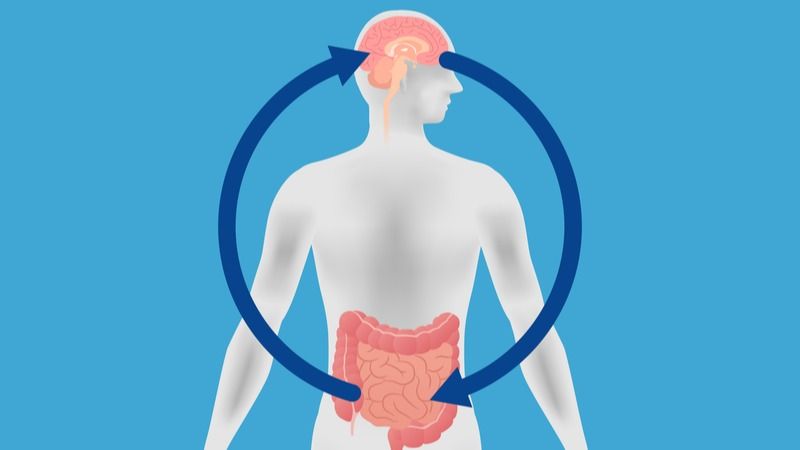
Reducing Gut Dysbiosis Partially Alleviates Alzheimer’s Symptoms
In a recent study, a team from the Neurobiota Research Center in Korea has discovered that reducing gut dysbiosis partially alleviates the cognitive impairment associated with Alzheimer’s disease. This may seem puzzling, as the gut and the brain are separate and relatively distant organs, but this research makes sense in the context of chronic inflammation.
Inflammaging
Under normal circumstances, inflammation is a short-term measure in response to infection: immune cells are directed towards the inflamed area and handle the infection, and then the inflammation dies down. However, chronic inflammation causes harm to our organs; it is the main form of altered intercellular communication, which is one of the hallmarks of aging. The protein complex NF-kB, the master regulator of inflammation, is the main culprit of inflammaging, and it is specifically discussed in this paper.

The brain-gut connection: how TCM has known for centuries what Western medicine is now discovering
Aren Jay shared this cogent article to my Timeline… It is not new even Hippocrates was able to determine that the gut causes and or assists in all diseases. But the 19th and 20th centuries researchers began saying that microbes are good for mankind which sent science reeling through generations until this day… Respect r.p.berry & AEWR wherein we have developed a formula and Algorithm that deals with this very serious problem completely. A very expensive cure but one that will take Woman-Man past the Escape Velocity so many have written about… https://gerevivify.blogspot.com/
Recent research has found that bacteria in the gut can affect people’s mental state, leading to mood, cognition and behavioural problems. But in TCM, the link between the gut and all of the body’s organs has long been recognised.
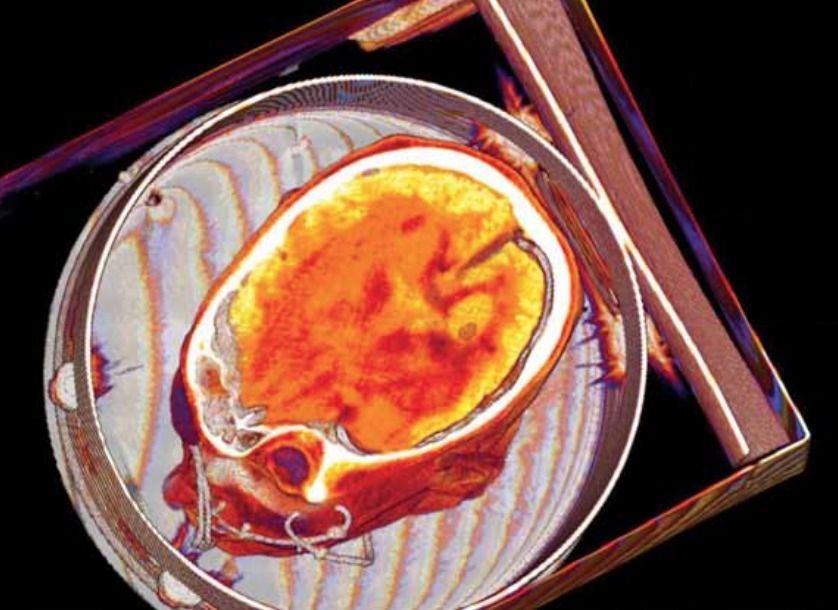

Study: Blood test detects concussion and subconcussive injuries in children and adults
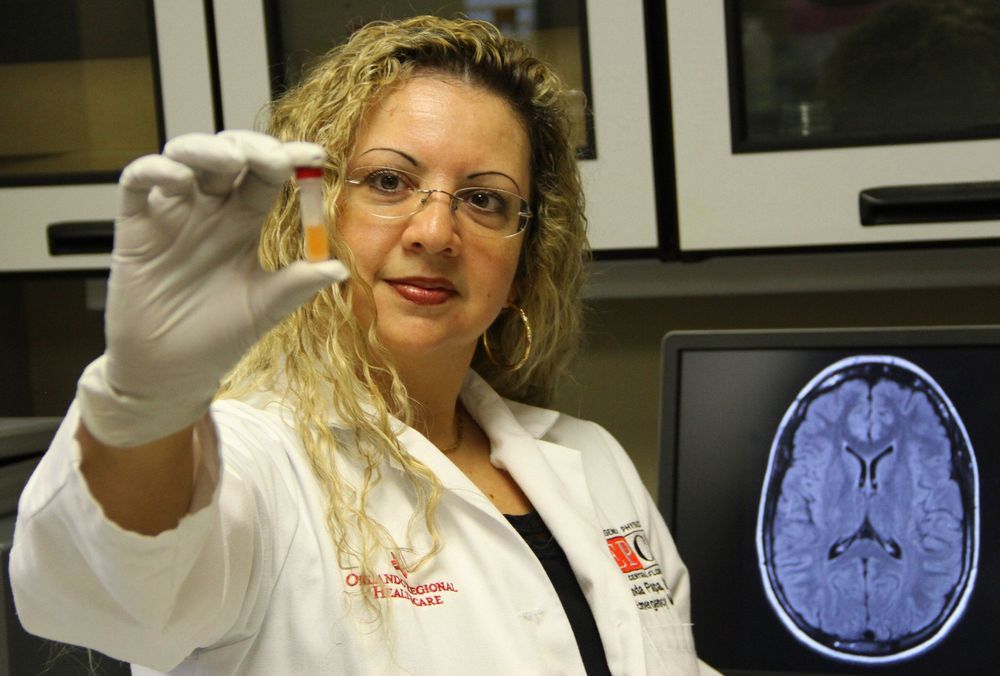
In one of the largest studies of its kind, researchers at Orlando Health are making new progress in finding ways to detect a traumatic yet sinister brain injury—and getting closer to preventing further damage.
Subconcussive injuries often show no symptoms or immediate effects, but can cause wear and tear on the brain over time with repeated injuries. The latest study, published in the journal BMJ Paediatrics Open, includes more than 700 emergency room patients—children and adults. The study gets us closer to developing a standard blood test to spot these injuries as early as possible.
“A unique feature of this study is that it includes patients who hit their heads but have no symptoms,” said Linda Papa, MD, lead author of the study and emergency medicine doctor at Orlando Health. “This group is rarely—if ever—included in biomarker studies.”

Drugs that target cell metabolism may lead to new treatment for childhood brain cancer
Scientists have identified a class of drugs that may have potential to treat a rare and deadly form of brain cancer that affects young children.
The research team, led by Ranjit Bindra, MD, PhD, and colleagues at the Yale Cancer Center, also included co-senior authors Charles Brenner, PhD, professor and DEO of biochemistry at the University of Iowa Carver College of Medicine, and Michael E. Berens, PhD, from the Translational Genomics Research Institute in Phoenix.
The findings, published Aug. 22 in Nature Communications, focus on Diffuse Intrinsic Pontine Glioma (DIPG), a rare, incurable cancer that affects the brainstem in children under age 10. Previous work had identified mutations in a gene called PPM1D as a cause of this cancer.