Category: neuroscience – Page 1,226


Inflammation Marker May Be a Red Flag for Rapid Brain Aging
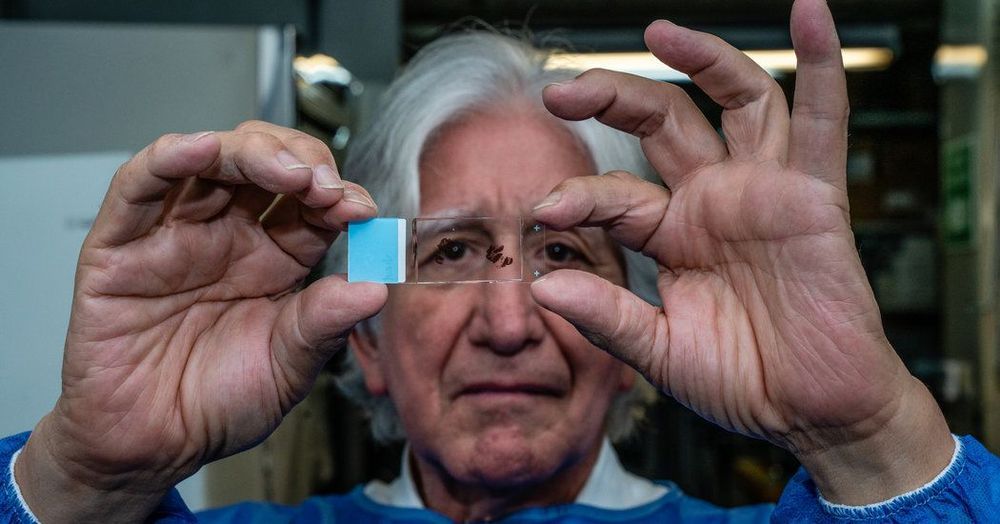
This study involved 4,717 participants from two different community-based cohorts. A meta-analysis of both cohorts showed that elevated sCD14 was associated with a 12 percent increased risk of dementia as people got older. Higher levels of sCD14 were also associated with accelerated brain aging in both cohorts, a faster progression of age-related brain atrophy, and a more rapid decline of executive functions.
The authors sum up their findings: “sCD14 is an inflammatory marker related to brain atrophy, cognitive decline, and incident dementia.”
“Higher levels of sCD14 were associated with markers of brain aging and injury, such as total brain atrophy and a decline in executive functioning—the decision-making needed for many activities of daily life,” first author Matthew Pase, of the Florey Institute for Neuroscience and Mental Health in Melbourne, Australia, said in a news release.
A new Gene Therapy Strategy, courtesy of Nature
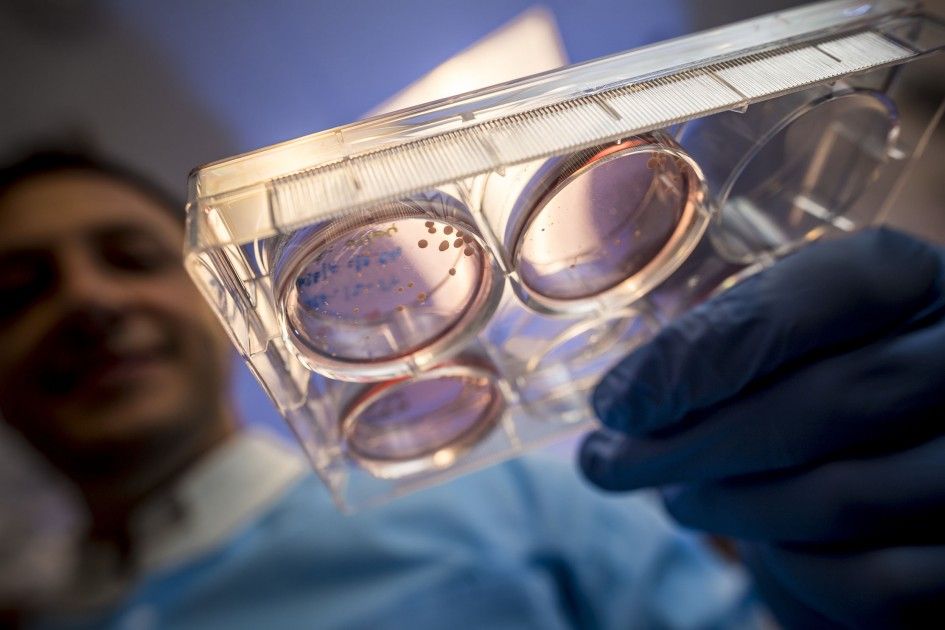
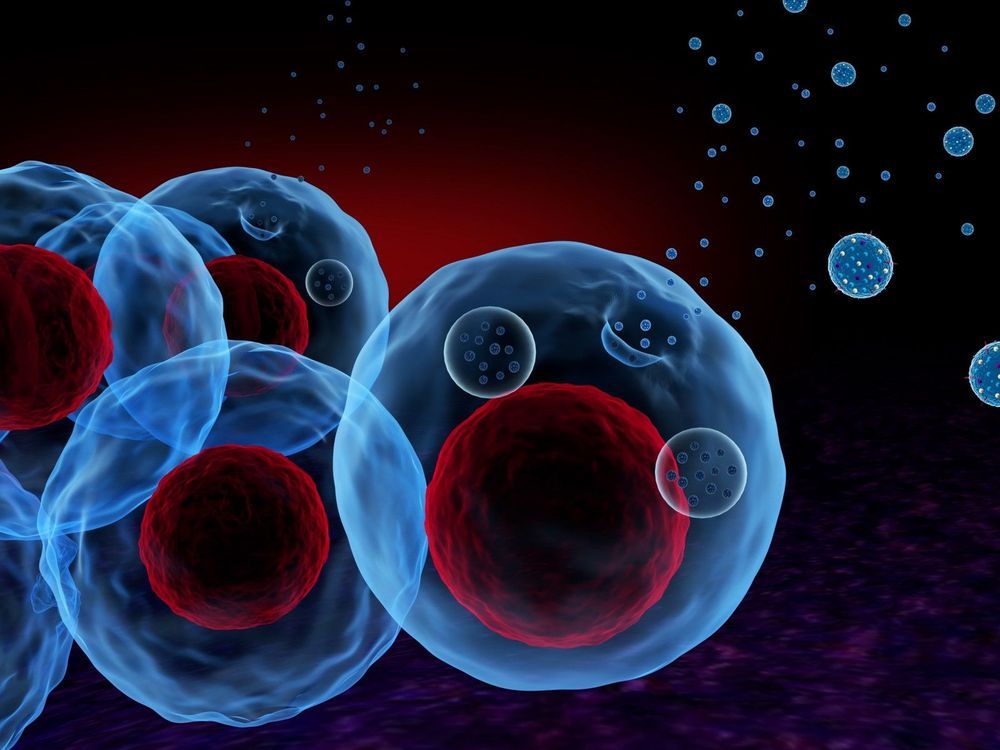
Scientists have developed a new gene-therapy technique by transforming human cells into mass producers of tiny nano-sized particles full of genetic material that has the potential to reverse disease processes.
Though the research was intended as a proof of concept, the experimental therapy slowed tumor growth and prolonged survival in mice with gliomas, which constitute about 80 percent of malignant brain tumors in humans.
The technique takes advantage of exosomes, fluid-filled sacs that cells release as a way to communicate with other cells.

Engineers develop a less invasive way to study the brain
Optogenetics, a tool for controlling neurons with light, has given neuroscientists the ability to flip brain cells on and off more or less at will, revolutionizing neuroscience.
Yet the technique faces a fundamental challenge: To study all but the outermost part of the brain, researchers need to implant fiber optics or other invasive devices to deliver light deep into the brain.
Now, in Proceedings of the National Academy of Sciences, Stanford researchers report that they’ve found a less invasive way to do so: injectable nanoparticles that convert sound waves, which can easily penetrate into the brain, into light.
Are herpes virus infections linked to Alzheimer’s disease?
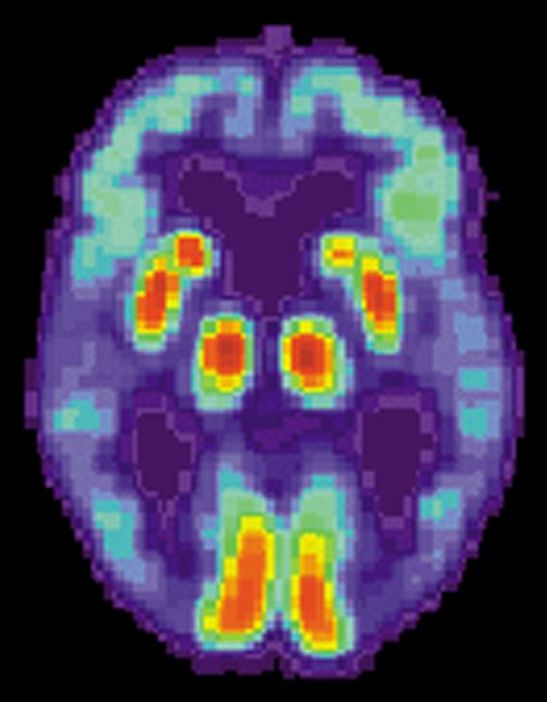
Researchers at Baylor College of Medicine report today in the journal Neuron evidence that refutes the link between increased levels of herpes virus and Alzheimer’s disease. In addition, the researchers provide a new statistical and computational framework for the analysis of large-scale sequencing data.
About 50 million people worldwide are affected by Alzheimer’s disease, a type of progressive dementia that results in the loss of memory, cognitive abilities and verbal skills, and the numbers are growing rapidly. Currently available medications temporarily ease the symptoms or slow the rate of decline, which maximizes the time patients can live and function independently. However, there are no treatments to halt progression of Alzheimer’s disease.
“Like all types of dementia, Alzheimer’s disease is characterized by massive death of brain cells, the neurons. Identifying the reason why neurons begin and continue to die in the brains of Alzheimer’s disease patients is an active area of research,” said corresponding author Dr. Zhandong Liu, associate professor of pediatrics at Baylor and the Jan and Dan Duncan Neurological Research Institute at Texas Children’s Hospital.
A surprising new source of attention in the brain
As you read this line, you’re bringing each word into clear view for a brief moment while blurring out the rest, perhaps even ignoring the roar of a leaf blower outside. It may seem like a trivial skill, but it’s actually fundamental to almost everything we do. If the brain weren’t able to pick and choose what portion of the incoming flood of sensory information should get premium processing, the world would look like utter chaos—an incomprehensible soup of attention-hijacking sounds and sights.
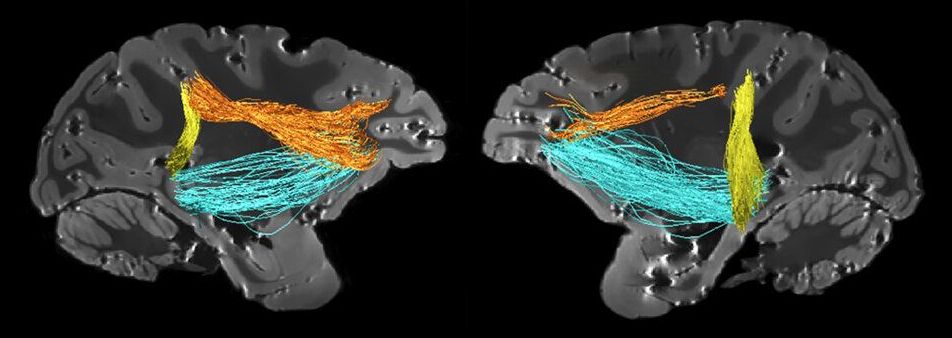
Meticulous research over decades has found that the control of this vital ability, called selective attention, belongs to a handful of areas in the brain’s parietal and frontal lobes. Now a new study suggests that another area in an unlikely location—the temporal lobe—also steers the spotlight of attention.
The unexpected addition raises new questions in what has long been considered a settled scientific field. “The last time an attention controlling area was discovered was 30 years ago,” says Winrich Freiwald, head of Rockefeller’s Laboratory of Neural Systems, who published the findings in the Proceedings of the National Academy of Sciences. “This is a fundamental discovery that might require a rethinking of old concepts about attentional control.”