Summary: White blood cells in the brain are regulated by the CD33 protein. CD33 decreases the likelihood that a person will develop Alzheimer’s disease. Source: University of AlbertaResearch sh.
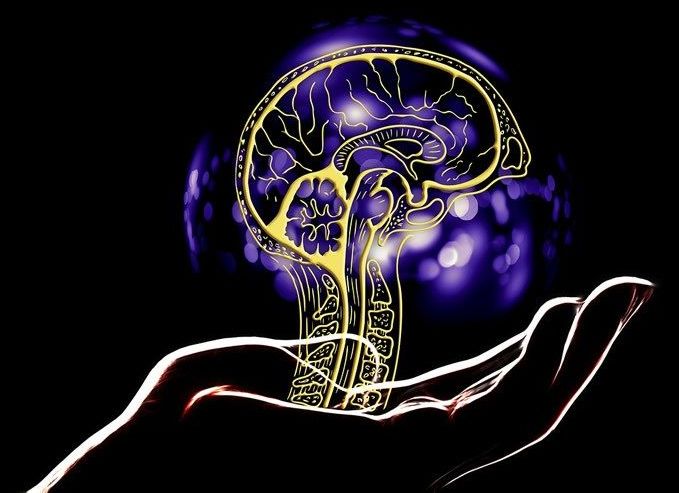
Scientists at the Universities of St Andrews and Edinburgh have discovered the functions of the area of the brain in which Alzheimer’s begins, offering hope for the development of future treatments.
Alzheimer’s disease is the commonest form of dementia with more than 520,000 people in the UK suffering from the disorder.
The first symptoms of this progressive disorder (which results from degeneration of memory networks in the brain) are problems remembering the things that have happened to us. This type of memory is called episodic memory.
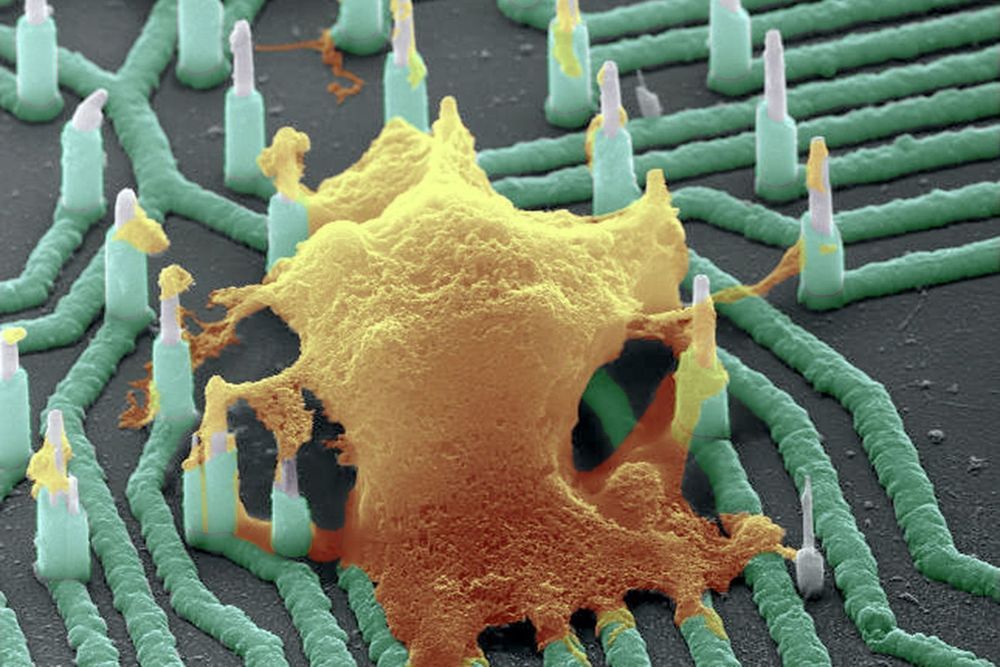


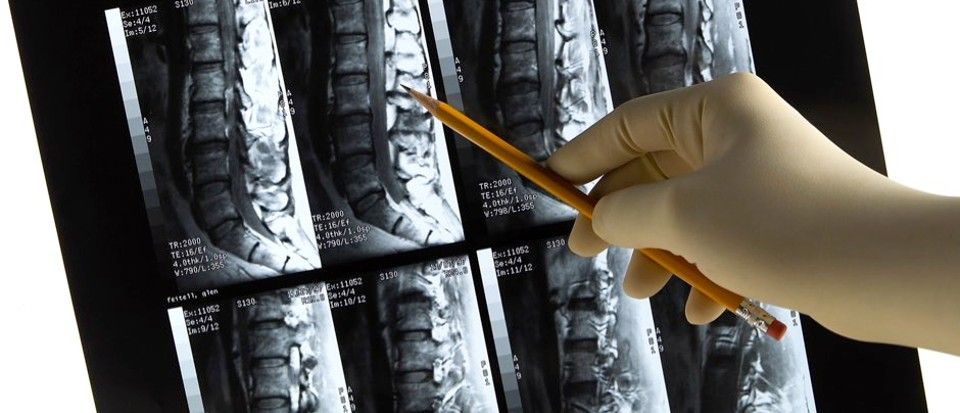
People tend to think the brain does all the thinking, but the spinal cord has built-in intelligence, Mushahwar says. A complex chain of motor and sensory networks regulate everything from breathing to bowels, while the brain stem’s contribution is basically “go!” and “faster!” Your spinal cord isn’t just moving muscles, it’s giving you your natural gait.
Being able to control standing and walking would improve bone health, improve bowel and bladder function, and reduce pressure ulcers, the researchers say. For those with less severe spinal injuries, an implant could be therapeutic, removing the need for months of gruelling physical therapy regimes that have limited success, they add.
The team say they are now going to focus on refining the hardware further by miniaturising an implantable stimulator and getting approval from Health Canada and the FDA for human trials. The first generation of the implants will require a patient to control walking and movement through physical means, but longer term, the implants could potentially include a direct connection to the brain, they say.
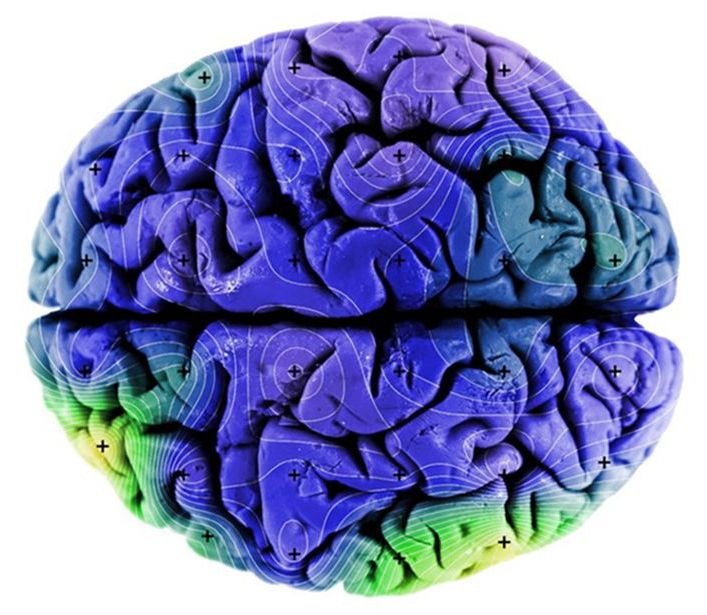

Since the 1950s at least, researchers have speculated that the brain is a kind of computer in which neurons make up complex circuits that perform untold numbers of calculations every second. Decades later, neuroscientists know that these brain circuits exist, yet technical limitations have kept most details of their computations out of reach.
Now, neuroscientists reported December 12 in Cell, they may finally be able to reveal what circuits deep in the brain are up to, thanks in large part to a molecule that lights up brighter than ever before in response to subtle electrical changes that neurons use to perform their compuations.
Currently, one of the best ways to track neurons’ electrical activity is with molecules that light up in the presence of calcium ions, a proxy for a neuron spike, the moment when one neuron passes an electrical signal to another. But calcium flows too slowly to catch all the details of a neuron spike, and it doesn’t respond at all to the subtle electrical changes that lead up to a spike. (One alternative is to implant electrodes, but those implants ultimately damage neurons, and it isn’t practical to place electrodes in more than a handful of neurons at once in living animals.)

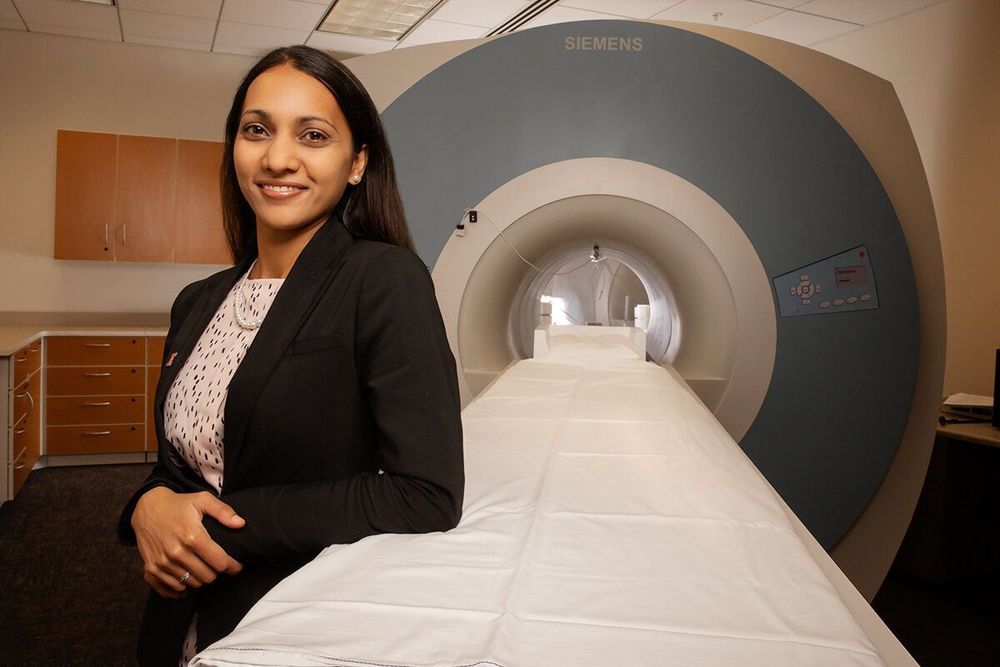
Scientists have known for decades that aerobic exercise strengthens the brain and contributes to the growth of new neurons, but few studies have examined how yoga affects the brain. A review of the science finds evidence that yoga enhances many of the same brain structures and functions that benefit from aerobic exercise.
The review, published in the journal Brain Plasticity, focused on 11 studies of the relationship between yoga practice and brain health. Five of the studies engaged individuals with no background in yoga practice in one or more yoga sessions per week over a period of 10–24 weeks, comparing brain health at the beginning and end of the intervention. The other studies measured brain differences between individuals who regularly practice yoga and those who don’t.
Each of the studies used brain-imaging techniques such as MRI, functional MRI or single-photon emission computerized tomography. All involved Hatha yoga, which includes body movements, meditation and breathing exercises.