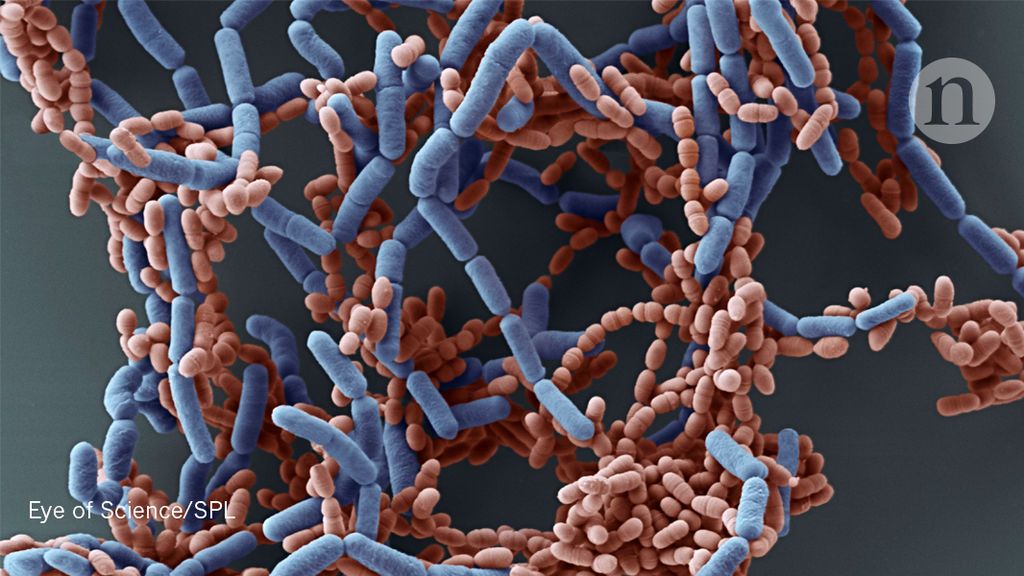
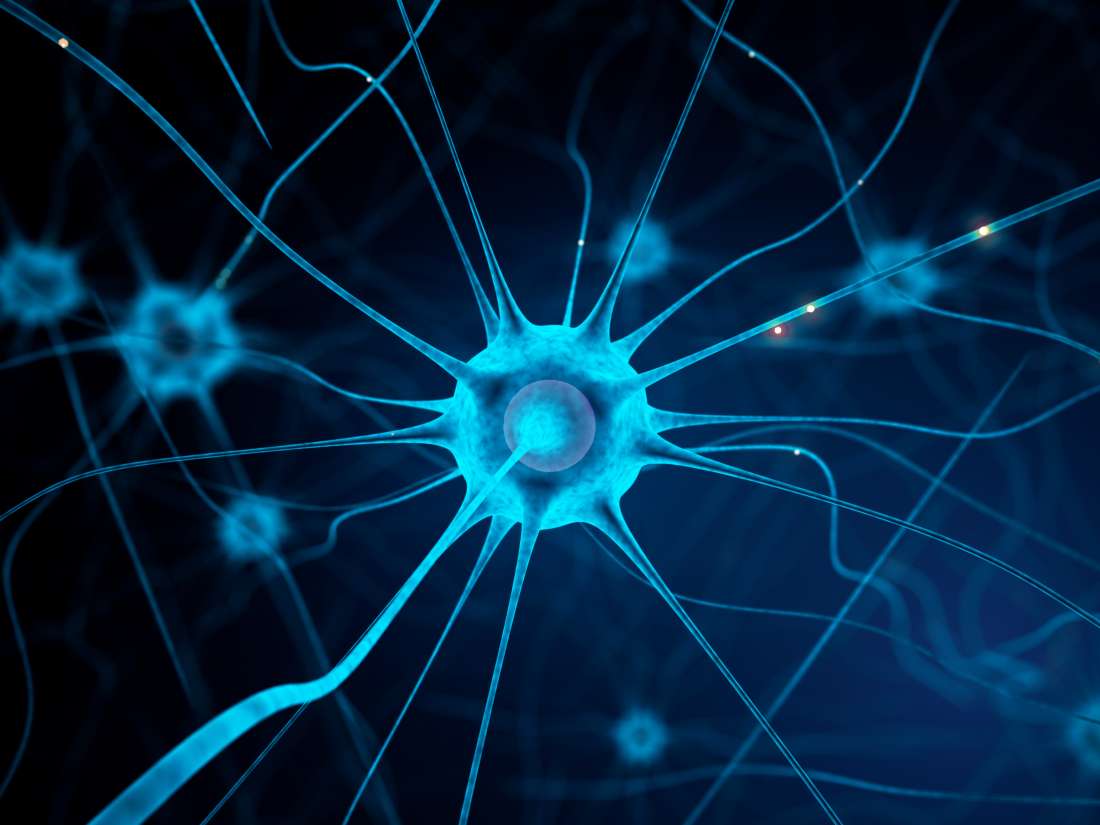
A new study challenges the traditional view that learning in the brain is synaptic, or link-based, proposing instead that it is dendritic, or node-based.
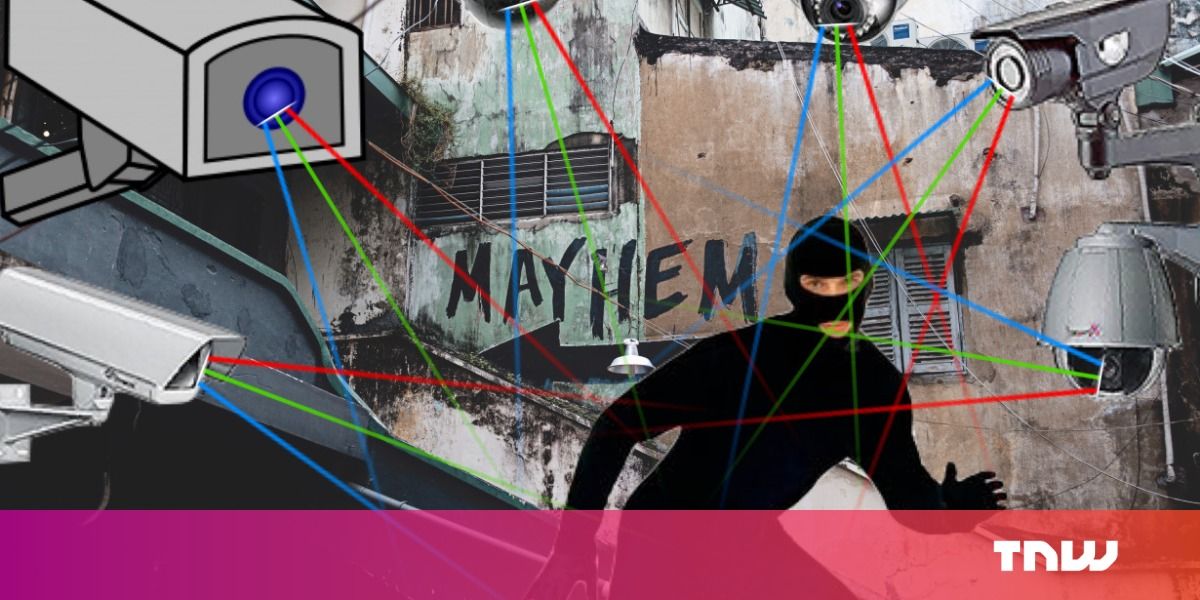
A security company wants to modernize the “backward-looking” and “inherently inefficient” video surveillance industry by offering a blockchain-based system which allows users to react to threats in real time.
Faceter’s decentralized surveillance technology – which it claims is a world first for consumers – “gives brains to cameras” by enabling them to instantly detect faces, objects and analyze video feeds. Although some B2B providers do offer similar features, the company claims they are currently too expensive for smaller firms and the public at large because of the “substantial computing resources” such technology needs.
According to Faceter’s white paper, Blockchain has the potential to make this solution affordable for everyone – as computing power for recognition calculations would be generated by a network of miners.

The US military likes to stay at the forefront of the cutting edge of science — most recently investigating ways they can ‘hack’ the human brain and body to make it die slower, and learn faste r.
But in an unexpected twist, it turns out they’re also interested in pushing the limits of quantum mechanics. The Defence Advanced Research Projects Agency (DARPA) has announced it’s funding research into one of the strangest scientific breakthroughs in recent memory — time crystals.
In case you missed it, time crystals made headlines last year when scientists finally made the bizarre objects in the lab, four years after they were first proposed.

The renowned physicist Dr. Richard Feynman once said: “What I cannot create, I do not understand. Know how to solve every problem that has been solved.”
An increasingly influential subfield of neuroscience has taken Feynman’s words to heart. To theoretical neuroscientists, the key to understanding how intelligence works is to recreate it inside a computer. Neuron by neuron, these whizzes hope to reconstruct the neural processes that lead to a thought, a memory, or a feeling.
With a digital brain in place, scientists can test out current theories of cognition or explore the parameters that lead to a malfunctioning mind. As philosopher Dr. Nick Bostrom at the University of Oxford argues, simulating the human mind is perhaps one of the most promising (if laborious) ways to recreate—and surpass—human-level ingenuity.
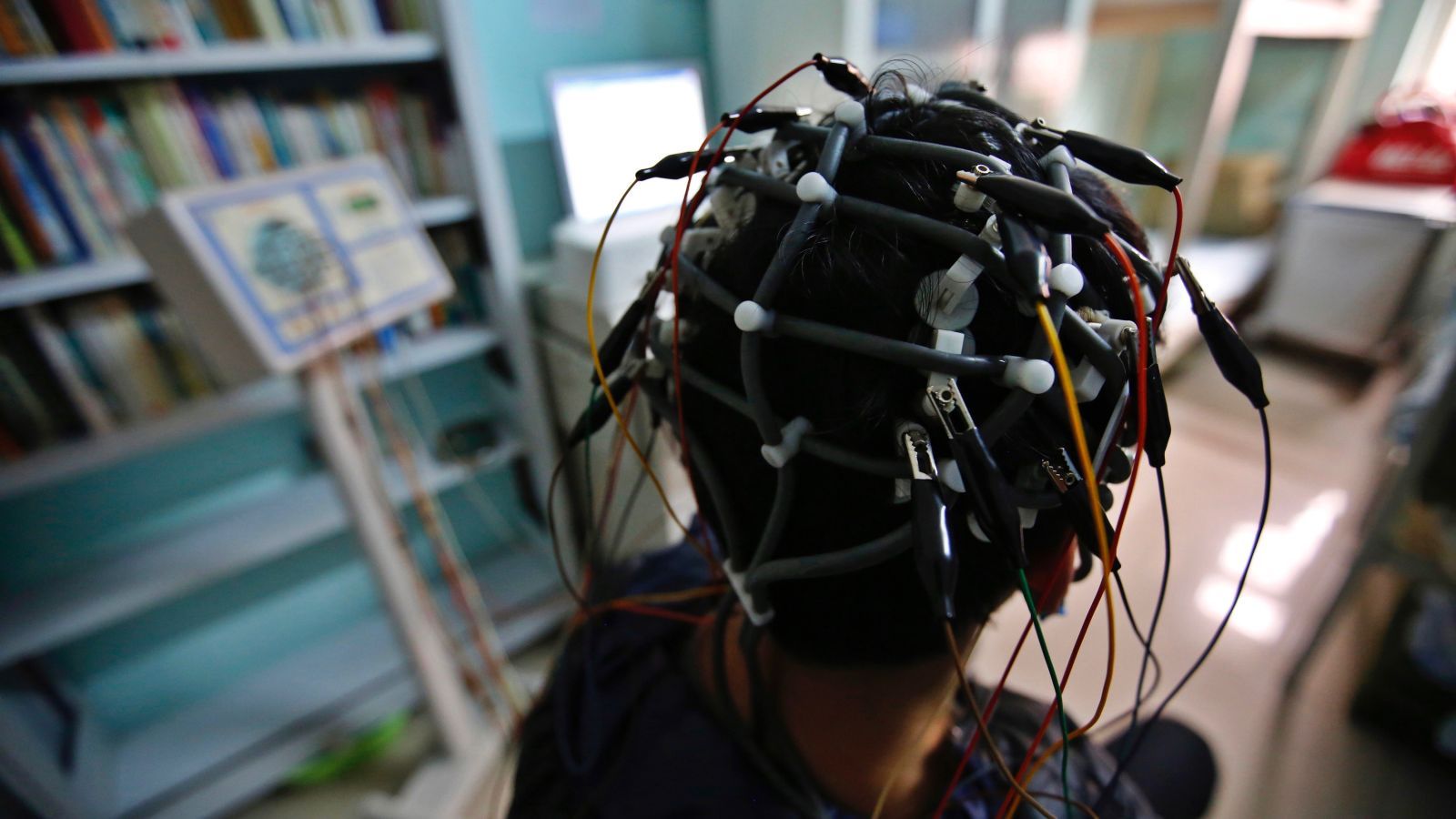
Perfect vision is great. But like any advantage it comes with limitations. Those with ease don’t develop the same unique senses and strengths as someone who must overcome obstacles, people like Lana Awad, a neurotech engineer at CTRL-labs in New York, who diagnosed her own degenerative eye disease with a high school science textbook as a teen in Syria and went on to teach at Harvard University.
Though they see themselves as clear leaders, visionaries with all the obvious advantages—like Elon Musk and Mark Zuckerberg, for example—can be blind in their way, lacking the context needed to guide if they don’t recognize their counterintuitive limitations. This is problematic for humanity because we’re all relying on them to create the tools that increasingly rule every aspect of our lives. The internet is just the start.
Tools that will meld mind and machine are already a reality. Neurotech is a huge business with applications being developed for gaming, the military, medicine, social media, and much more to come. Neurotech Report projected in 2016 that the $7.6 billion market could reach $12 billion by 2020. Wired magazine called 2017, “a coming-out year for the brain machine interface (BMI).”
According toDr Eric Leuthardt, a brain surgeon at Washington University in St. Louis, neural prosthetics will become mainstream in the coming decades (stock image).
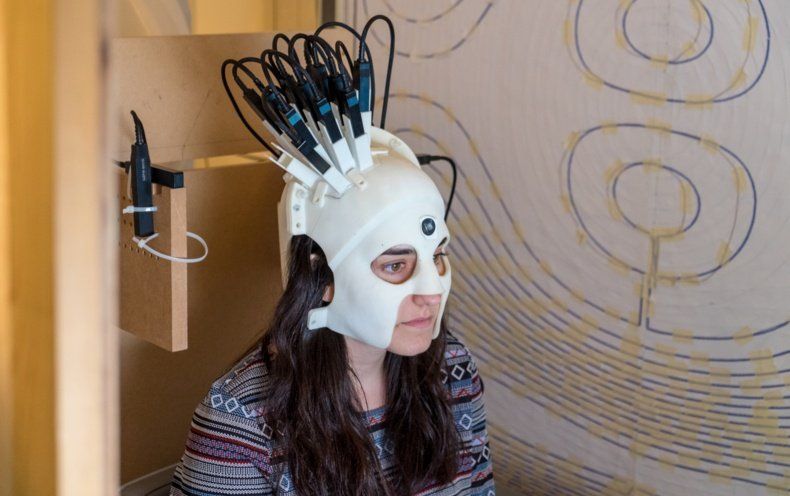
Lightweight equipment is not much larger than what a bicyclist would wear.
Amazing.
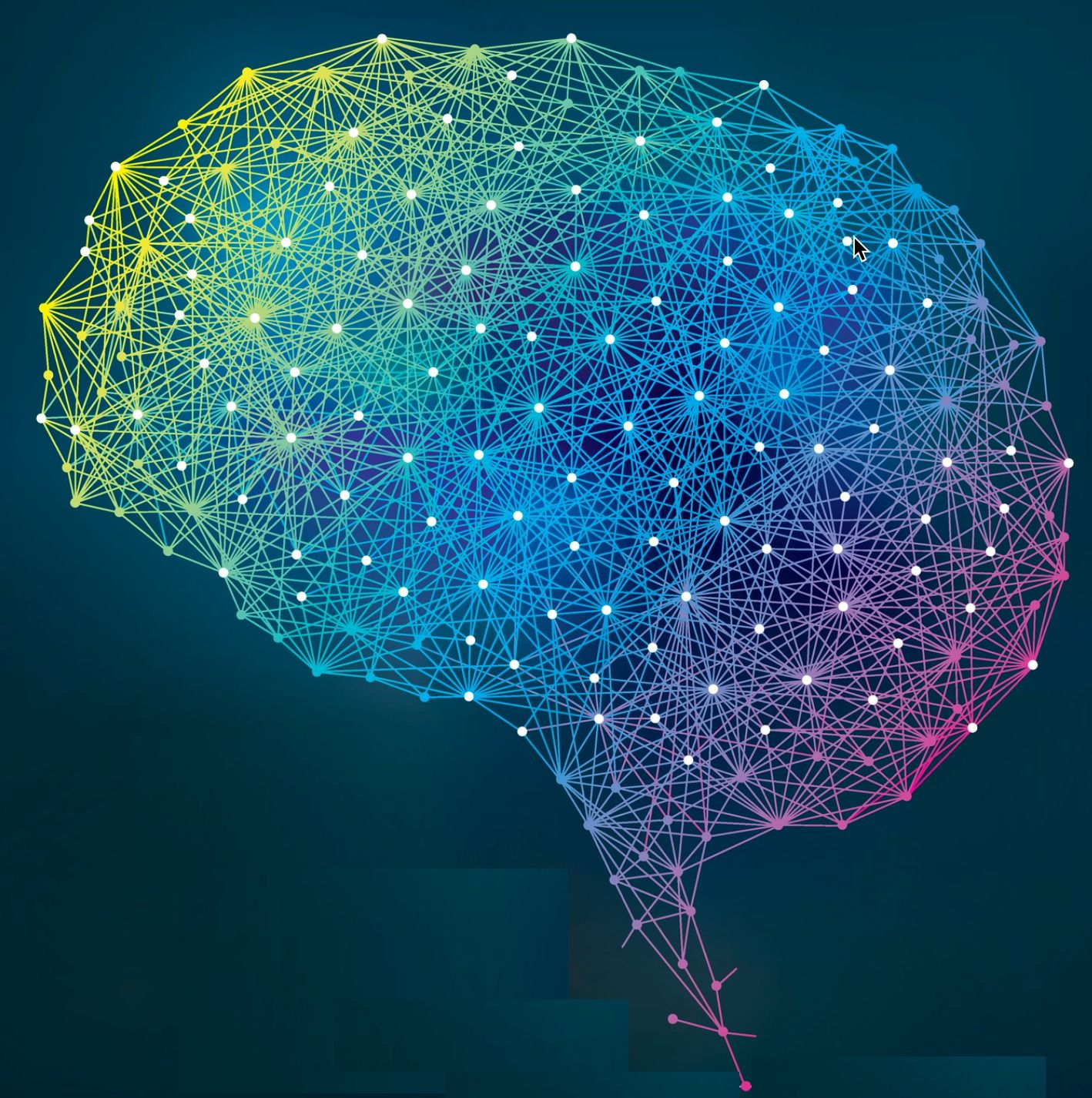
An international team of scientists has developed an algorithm that represents a major step toward simulating neural connections in the entire human brain.
The new algorithm, described in an open-access paper published in Frontiers in Neuroinformatics, is intended to allow simulation of the human brain’s 100 billion interconnected neurons on supercomputers. The work involves researchers at the Jülich Research Centre, Norwegian University of Life Sciences, Aachen University, RIKEN, KTH Royal Institute of Technology, and KTH Royal Institute of Technology.
An open-source neural simulation tool. The algorithm was developed using NEST (“neural simulation tool”) — open-source simulation software in widespread use by the neuroscientific community and a core simulator of the European Human Brain Project. With NEST, the behavior of each neuron in the network is represented by a small number of mathematical equations, the researchers explain in an announcement.