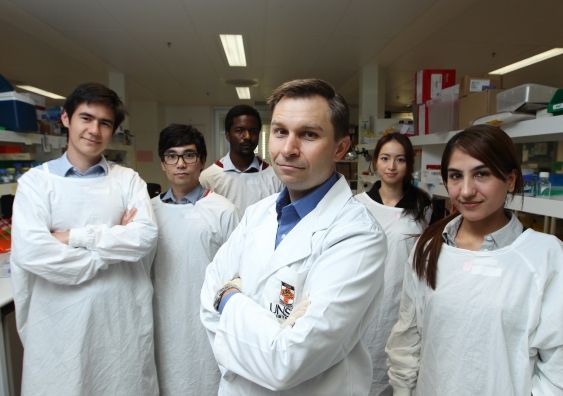
He is working with Dr Maria Blasco of the CNIO in Madrid to bring telomerase therapy to the USA. Their approach is similar to Bioviva where targeting the microglial cells with telomerase inducing gene therapy should in theory reverse the condition. Best of luck to Telocyte!
Even though I was born after the 1960s, I’ve always been fascinated with that era. Some people credit Ken Kesey’s cross country bus trip aboard colorfully painted “Further” as helping to create a generation of hippies. Of course, my Immortality Bus (shaped to look like a coffin) wants to stir up the national consciousness as well, aiming to usher in its own cultural shift. Whereas the ‘60s were about peace, love, drugs, and sex, I believe the next decade will be about virtual reality, implants, transhumanism, and overcoming death with science. For futurists like myself, that’s quite an intoxicating mix.
The fact is that a lot of radical tech, science, and medicine are already here in America. Consider that today the paralyzed can walk via exoskeleton suits, the blind can see via bionic eyes, and the limbless can grab a bottle of water and drink with artificial limbs that connect to their nervous system. Additionally, lifespans are increasing for people all around the planet. Science is rapidly making the world a better place, and it’s starting to eliminate suffering and hardship for billions of people.
Injecting yourself with a bacterium that’s 3.5 million years old is either the dumbest thing a person could do, or it’s brilliant. But that is exactly what a Russian scientist has done, in a quest to see if Bacillus F has the answer to eternal life.
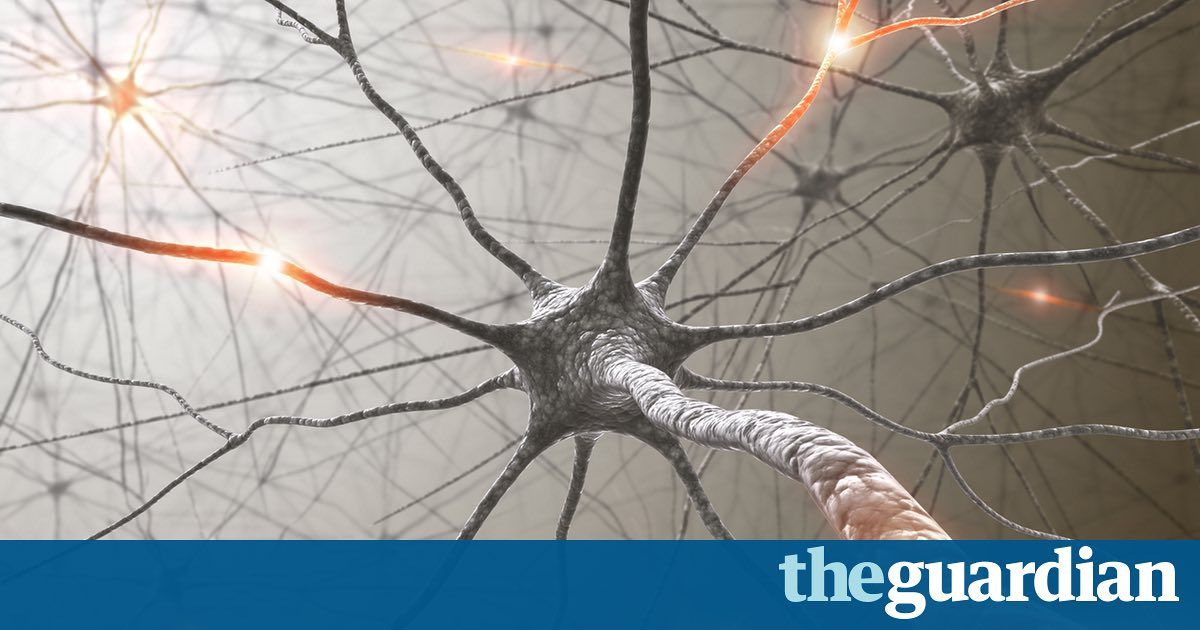
Could discovering how neural stem cells protect themselves from damage lead to treatment that helps combat aging?
We now know that stem cells in the brain do in fact divide, and that this regenerative capacity begins to falter with age. The majority of our cells don’t divide, and the bulk of division falls to stem cell niches dotted across our body. Stem cell populations do age, but they’re more resistant than ‘normal’ cells are, and they produce higher levels of telomerase — enabling them to divide for years.
How do brain stem cells remain free of damage?
Neural stem cells aren’t perfectly protected from aging, but they’re generally a hardier bunch. Scientists from the University of Zurich have now discovered that part of this aging resistance in neural stem cells is due to a ‘diffusion barrier’. When they divide, these cells produce a barrier which filters out damaged proteins to one side, allowing the new cell to be damage-free.
Science usually approaches aging from a mechanical viewpoint, but could there be more to the story?
Why do so many scientists now believe that aging has been programmed by evolution?
Science usually approaches aging from a mechanical viewpoint, but the evolutionary theory of aging has gained more support as we observe the wide variation in aging between species.
The million dollar question: Why do we age?
Theories like the free radical theory of aging propose that aging is an inevitable process of being alive; that every day on this earth exposes the body to reactive chemicals, and aging is simply the gradual accumulation of damage. While we know the body does indeed accumulate forms of damage, the suggestion that this is inevitable is now being challenged.
BioViva USA, Inc. has become the first company to treat a person with gene therapy to reverse biological aging, using a combination of two therapies developed and applied outside the United States of America. Testing and research on these therapies is continuing in BioViva’s affiliated labs worldwide.
BioViva CEO Elizabeth Parrish announced Biobthat the subject is doing well and has resumed regular activities. Preliminary results will be evaluated at 5 and 8 months with full outcome expected at 12 months. The patient will then be monitored every year for 8 years.
Gene therapy allows doctors to treat disease at the cellular level by inserting a gene into a patient’s cells instead of using the regular modalities of oral drugs or surgery. BioViva is testing several approaches to age reversal, including using gene therapy to introduce genes into the body.
Pulitzer-prize winning science writer Jonathan Weiner writing about transhumanism and longevity issues:
Science writer Jonathan Weiner writes: Even if you’ve been following the presidential campaign pretty closely, you may not have heard about Zoltan Istvan, the hopeful from the newly formed Transhumanist Party. Istvan’s platform is simple: We should all live forever. He’s driving across the country in a bus painted to look like a coffin, with big white letters on its side: “Immortality Bus.”