Circa 2019 o.o
A new invention uses magnets to record computer data which consume virtually zero energy, solving the dilemma of how to create faster data processing speeds without high energy costs.
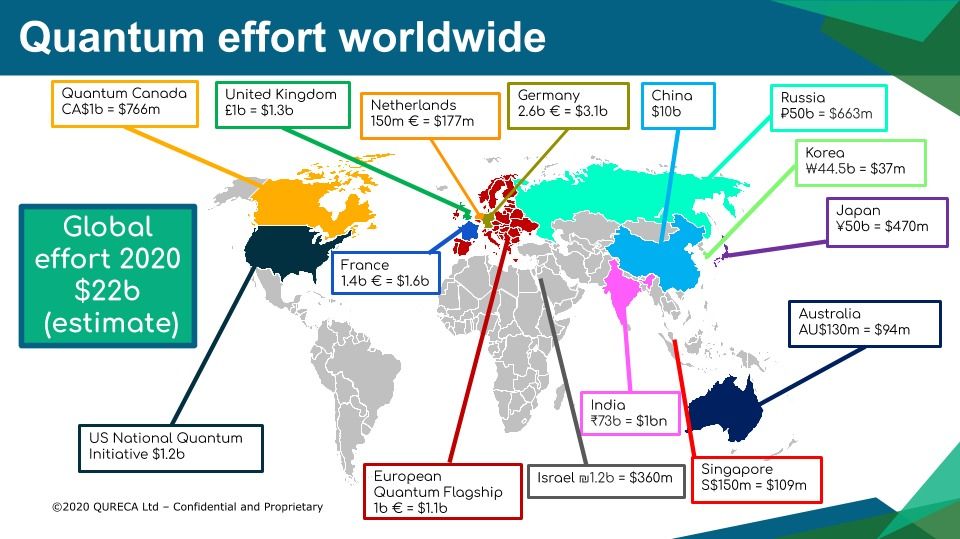
Over the last years, there has been an exponential increase in investment in quantum technologies worldwide. The global effort for #publicfunding has been boosted. It is an amazing and exciting time of innovation in this new second quantum revolution. We have summarised the main programs and efforts around the world below. It is not a quantum race. It is a global ecosystem to develop new #quantum technology! It might be outdated by now, but it gives an idea 💡 and add to it the latest announced investments. However, this is not the real deal. Most are disguised under other initiatives such as the ones carried by the DOE in the US.
Over the last years there has been an exponential increase on investment in quantum technologies worldwide. The global effort for public funding has been boosted. It is an amazing and exciting time of innovation in this new second quantum revolution.
We have summarised the main programs and efforts around the world below. It is not a quantum race, it is a global ecosystem to develop the new quantum technology!
Canada is considered one of the world’s leading nations in quantum research. It has invested more than $1 billion in quantum research over the past decade [1].
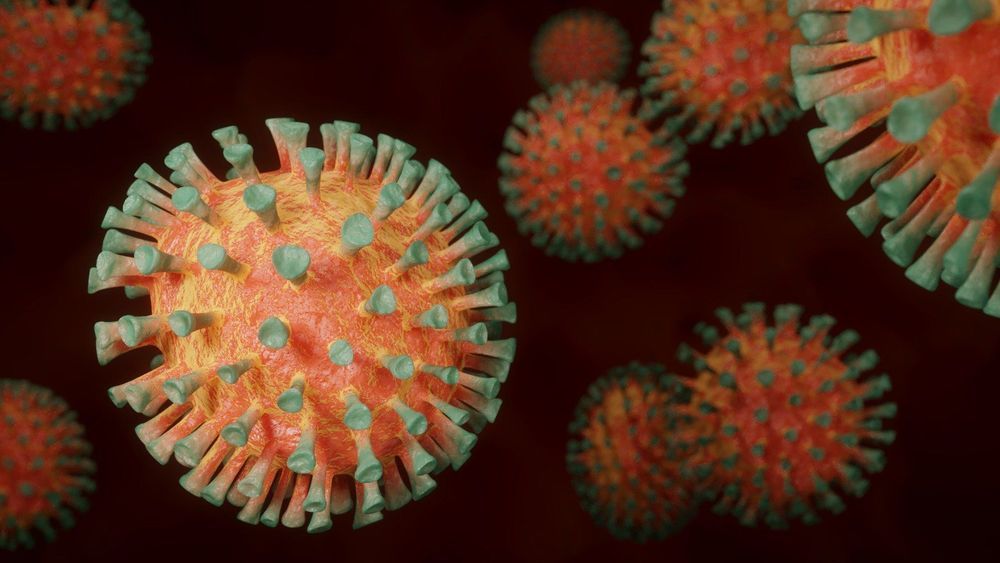
A team of New York University scientists has developed a method using holographic imaging to detect both viruses and antibodies. The breakthrough has the potential to aid in medical diagnoses and, specifically, those related to the COVID-19 pandemic.
“Our approach is based on physical principles that have not previously been used for diagnostic testing,” explains David Grier, a professor of physics at NYU and one of the researchers on the project, which is reported in the journal Soft Matter. “We can detect antibodies and viruses by literally watching them stick to specially prepared test beads.”
If fully realized, this proposed test could be done in under 30 minutes, is highly accurate, and can be performed by minimally trained personnel. Moreover, the method can test for either the virus (current infection) or antibodies (immunity).
Circa 2014
A breakthrough new battery technology could finally deliver the sort of across-the-board improvements many industries have needed for a long, long time now.
Graphene out garbage?
A recent breakthrough promises to make graphene out of garbage in a flash.
First in a series of Longevity Dialogues. Suggestions for future focus encouraged.
Host Mark Sackler conducts a lively discussion on issues involved with the anticipated implementation and implications of radical life extension. With XPrize innovation board member Sergey Young, and futurist authors David Wood and Jose Cordeiro.
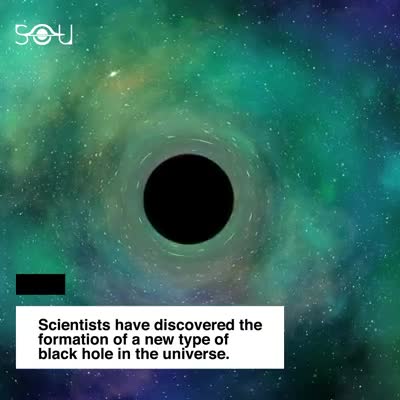
Breakthrough! Scientists have discovered the formation of a new type of black hole in the universe.
It will have a speed of 7500 miles per hour.
An Amazon Prime-like service to deliver weapons? Well, that is what Elon Musk is working on. Yes, rockets that can deliver weapons to US Armed Forces stationed anywhere in the world.
Airborne taxis are coming?
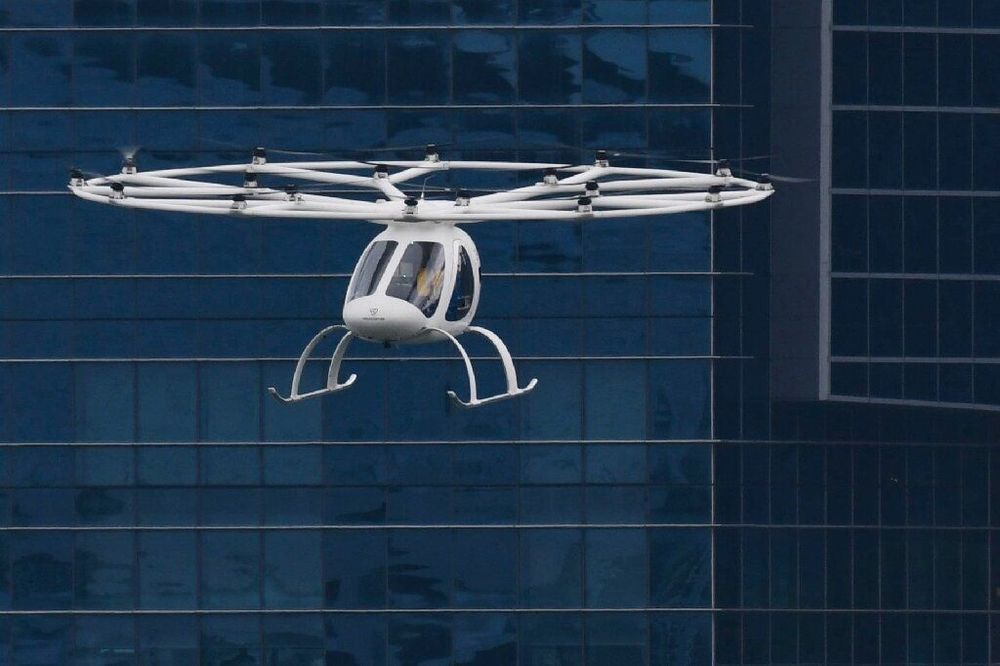
“Flying taxis” will start taking off from an aerodrome north of Paris as soon as next June, operators said, in a trial ahead of a vast tourist influx for the 2024 Olympics.
The experiment will take place at the Pontoise-Cormeilles-en-Vexin aerodrome some 90 minutes northwest of the capital by car, according to a joint announcement by the Ile-de-France region, airports operator Groupe ADP and the RATP public transport agency.
A drone-like, fully-electric vertical take-off and landing vehicle (VTOL) dubbed VoloCity, produced by German company Volocopter, was chosen for the innovative trial with flying taxis in a peri-urban area, they said.
Vaccines could take years, and preventative drugs could help bridge the gap.
Though many people are pinning their hopes on a COVID-19 vaccine, another option is available: preventive treatment. At a Senate hearing this week, Anthony Fauci noted that a vaccine — which is probably months or years away — isn’t the only way to protect someone from a life-threatening virus.
These treatments could protect people against infection for a few weeks or months, said Fauci, the director of the National Institute of Allergy and Infectious Diseases. While most ongoing research studies are focused on finding treatments for people who are already sick with COVID-19, some researchers are looking to see if they can stop people who are at high risk from getting sick in the first place.
It’s a proven strategy: preventive drugs have been used for decades to help people protect themselves against malaria. More recently, they were a breakthrough in the fight against HIV. There’s no effective vaccine against HIV, but people can take a daily medication that reduces their risk of contracting it through sexual activity by 99 percent. The medication is a pre-exposure prophylactic, or PrEP — a drug used to prevent disease in people who haven’t yet been exposed to it.