Category: health – Page 486
Forest Organics — Regenerative And Rejuvenative Health And Wellness
Congratulations to the Forest Organics team and their awesome new site — https://www.myforestorganics.com/
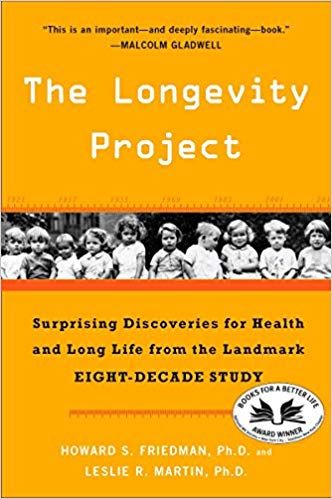
Howard S. Friedman
Surprising discoveries for health and long life.
“An extraordinary eighty-year study has led to some unexpected discoveries about long life.”
-O, The Oprah Magazine
For years we have been told to obsessively monitor when we’re angry, what we eat, how much we worry, and how often we go to the gym. So why isn’t everyone healthy? Drawing from the most extensive study of long life ever conducted, The Longevity Project busts many long- held myths, revealing how:
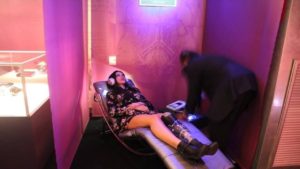
Bioquark Inc. — Real Bodies — Ms. Chiara Bordi — HealthQe — QantiQa — Ira Pastor
Exciting visitor at the Real Bodies (https://www.realbodies.it/) exhibit!
The lovely Ms. Chiara Bordi (https://www.facebook.com/Chiara-Bordi-474572166390000/), Miss Italia 3rd place runner up (aka the “Bionic Beauty”) stopping by to visit our associates at HealthQE (www.healthqe.cloud), and QantiQa (https://www.qantiqa.com/), to test out their new Musyke device
Bio-mechanics and Bio-acoustics
Two critical components in the regeneration, repair, and rejuvenation equation, and part of the integrated age-reversal paradigm of Embrykinesis at Bioquark Inc.- (www.bioquark.com)

Coalition says new autism guidelines won’t affect NDIS access
Fletcher told the ABC the guidelines were developed in consultation with people living with autism, researchers and doctors, and had been approved by the National Health and Medical Research Council.
“It does not change what the NDIS does and indeed it may well be that there are people who, today, would not be diagnosed who will be diagnosed,” he said. “That will be a judgment for clinicians and medical profession and the NDIS will continue to do what it does, which is make an assessment of the impairment that somebody suffers as a result of a disability. Is it likely to be permanent and lifelong? Is it significant? What impact does it have on the functioning?”
Dr Wenn Lawson, the co-chair of the Australian Autism Research Council, said a consistent assessment and diagnosis process for autism meant people would be able to access more appropriate supports.
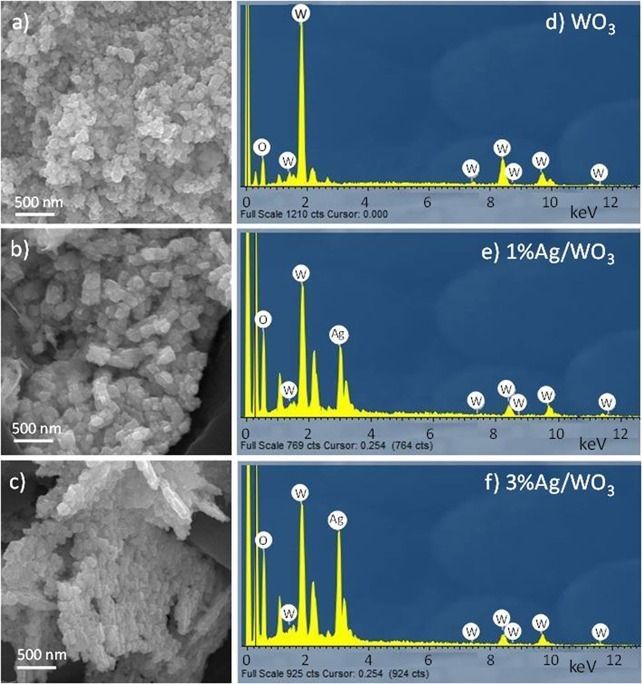
Photo-catalytic Killing of HeLa Cancer Cells Using Facile Synthesized Pure and Ag Loaded WO3 Nanoparticles
The cancer is a group of diseases characterized by the uncontrolled growth and spread of abnormal cells, and in most of the cases develop into malignant masses of tissues called tumors, and it is the leading causes of mortality and a major public health challenge worldwide. In normal body, genes in the cell nucleus, containing long strings of DNA (deoxyribonucleic acid) regulate the controlled division and function of cells and any damage to DNA causes the mutation of genes, which in turn triggers the uncontrolled division of abnormal cells, leading to the damage of vital organs. Cancer cells can detach from the original mass of tumor and migrate to new locations through blood and lymphatic system and also cancer cells produce enzymes that are capable of breaking the normal cells. For cancer diagnostics, the conventional histopathological and radiological examinations are still used for evaluating the clinical and pathologic staging, needed for cancer treatments. Depends on the stage of cancer development, different treatment options like chemotherapy, radiation therapy, stem cell transplant, immunotherapy, hormone therapy, targeted drug therapy and surgery are advised. The major disadvantages of the available advanced treatment options include non localized invasion to other body parts, intolerable cytotoxicity, unsystematic distribution of antitumor agents, immune to chemical agents, low bioavailability and limited option to evaluate the tumor cell response to therapies4,5. In spite of the drawbacks of these advanced treatment options, cancer is curable if it is diagnosed at an early stage.
Phototherapy has been used for the treatment of jaundice, cancer, dermatological conditions, and ophthalmological disorders by simply using the light of certain selected wavelength. Photodynamic therapy, on the other hand is a method of photosensitizing the action of drugs to kill cancer cells, but the major drawback of this treatment is that most of the drugs used for photodynamic therapy remain activated for a long time, leading to overdose to damage non cancer cells. In the photo-catalytic process, no drug is used, instead the nontoxic semiconductor photo-catalyst like WO3 generates electron hole pairs, when it is exposed to the light of appropriate wavelength and these photo-generated charge carriers mediate oxidation and reduction reactions in the cancer cell to eliminate them.
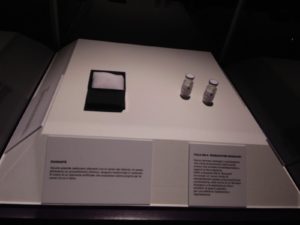
Bioquark Inc. — Real Bodies Milano Exhibit — Ira Pastor
The Real Bodies Milan exhibit has officially opened! (https://www.facebook.com/realbodiesworld/) — Honored to have Bioquark Inc.‘s (www.bioquark.com) research on display, with our partners at HealthQE (www.healthqe.cloud), for the coming seven months in the technologies for Immortality section of the exhibit


How I designed a space outpost
As a Master’s student at University of Houston’s Sasakawa International Center for Space Architecture (SICSA), I was exposed to many interesting aspects of space exploration. One that I’m particularly intrigued about is the daily lives of astronauts, and their most mundane activities — how they sleep, eat, shower, exercise, work, etc. When the time came to choose what to focus on for my design thesis, I knew it would have something to do with habitation, community, and daily lives in space.
My undergrad was in architecture and urban studies with an equal emphasis on both. This gave me an understanding of how dwellings changed throughout the centuries in relation to the evolution of cities. I think in most cases, our definition of “home” is very intertwined with our definition of “city”. And I believe as humans set sail for the stars, this intertwining will stay strong. What defines a home and a city varies greatly from culture to culture, and changes with time. However, in a broad sense, a home is for your personal and intimate activities, alone or with close family members, and a city is a collection of private and public areas where the community can interact and coexist.