
Barclay Simpson, a leading Corporate Governance recruitment consultancy, has released its annual Security & Resilience market report which suggests that demand continues to rise for cyber security skills as an arms race develops between cyber criminals and those looking to secure systems and data from increasingly complex cyber attacks. With increased prominence and board attention, 68% of managers do not believe their security departments are sufficiently resourced given the demands that are made on them (down from 76%) whilst 69% have recruited or attempted to recruit in the last 6 months.
Category: governance – Page 33

Google wants you to be able to vote online
Like the idea of using Google to vote online for the best airline, steamed dumpling or health app?
What about using Google to vote for governor or president? That seems to be Google’s plan.
The search giant received a U.S. patent for a voting user interface (VUI). The interface would appear along with search results and would allow the user to vote for one or more contestants competing in a campaign.
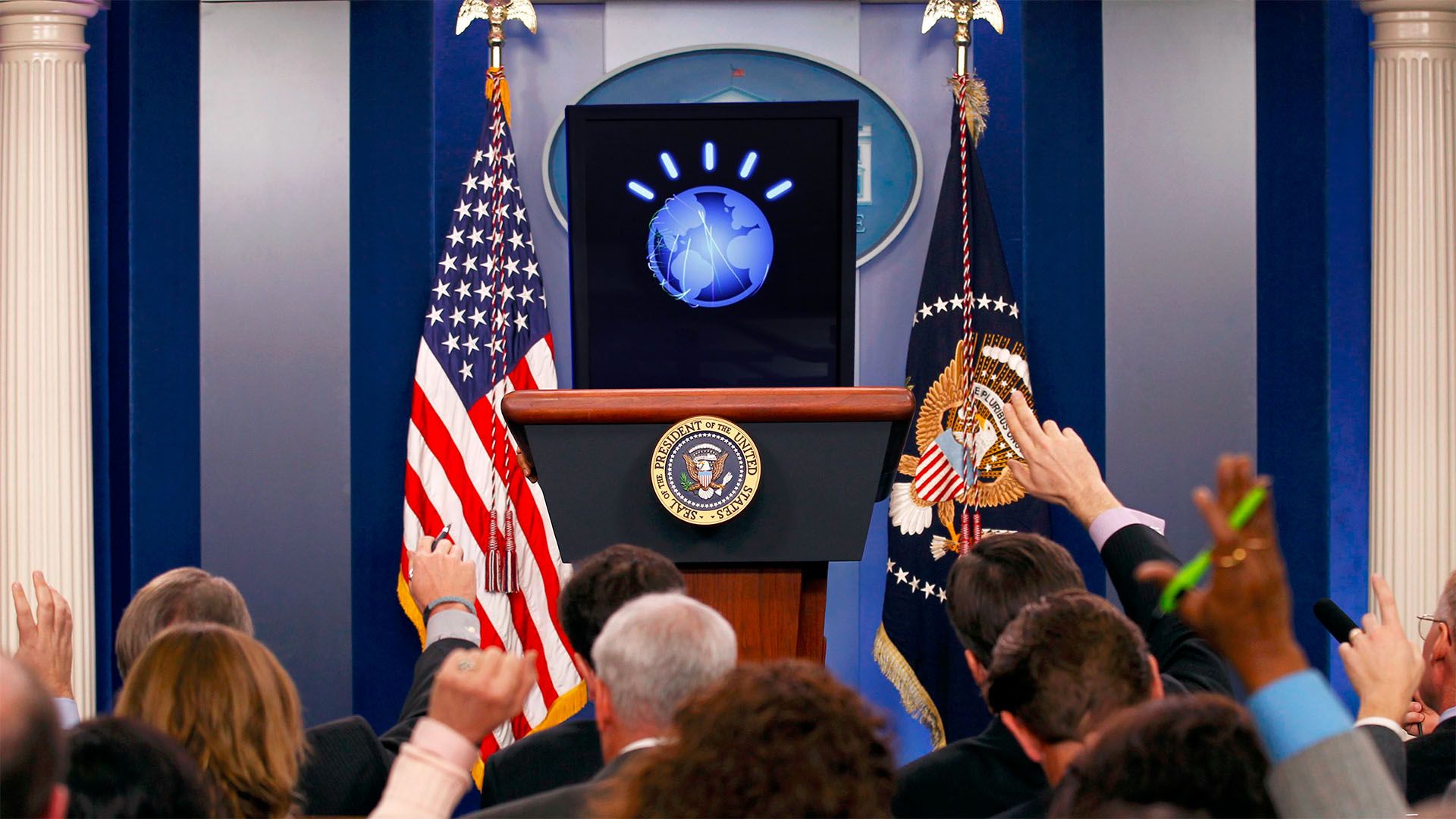
Could a robot run for U.S. president in 2020?
A fun story:
Advances in artificial intelligence have raised the question of a supercomputer running for office.
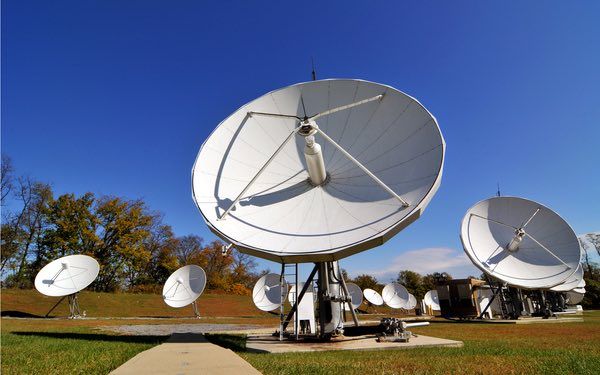
Governance challenges at the intersection of space and cyber security
See even Space gets it — the importance of great Cyber Security is needed now.
The disruption of capabilities that space assets provide would have immediate, far-reaching and devastating economic, political, and geostrategic consequences. Over the past two decades, space vulnerabilities have grown dramatically in a manner commensurate with terrestrial dependency on space-based capabilities and enablers. This is true for both civilian and military activities. Purposeful interference with space systems could rather easily trigger a retaliatory spiral of actions that could compromise a safe and secure operating environment in space. Accordingly, having available a range of measures to prevent or preempt an incident, or even full-up conflict, is of rapidly growing importance to an increasing number of countries.
The interruption of space services through a cyber attack could involve large, and possibly very complex, knock-on effects. As the space and cyberspace domains are linked operationally—space cannot exist without cyber and cyber, in some cases, without space—and they permeate all other warfighting domains (i.e. land, air, and sea), cyber-related vulnerabilities of space assets are a major concern. Global effects would be virtually instantaneous.
Given these realities, space-dependent civilian governments are wise to be seeking new ways to engage in serious international discussions concerning how best to ensure responsible behavior in these two connected domains. Meanwhile, space-dependent militaries are, to varying degrees, bracing themselves for the worst by the establishment of crisis management mechanisms to address fast-moving security threats emanating from cyber-related vulnerabilities embedded in space systems and operations. In some cases, this mechanism includes taking proper account of growing government dependency on commercial providers as key parts of both military and civilian missions.

Luxembourg launches plan to mine asteroids for minerals — By Clive Cookson | Financial Times
“Mining in space will take a leap from the realms of science fiction towards commercial reality on Wednesday when Luxembourg launches an official initiative to promote the mining of asteroids for minerals.”
The Blockchain is a New Model of Governance

While many people focus on bitcoin’s price fluctuations and potential increase in adoption, currency is just the first application of this game-changing technology. The core of the blockchain provides an alternative governance model to the current oligarchic control shown in the harsh austerity forced against the will of the Greek people.
In the six years of its existence, public awareness of this technology has grown by leaps and bounds. Now, most who are aware of this groundbreaking innovation know the blockchain is a ledger. Yet, this ledger is not simply for accounting monetary transactions.
At its core, it is a platform that allows people to come to agreement on virtually anything without intermediaries. It provides a foundation to make social contracts based on the principle of consensus. Foremost, it enables a larger function of accounting; performing checks and balance on the self interests and the corruptible tendencies that exist in society.

Google Doodle Celebrates Alice Paul | google.com
“Alice Paul was the architect of some of the most outstanding political achievements on behalf of women in the 20th century. Born on January 11, 1885 to Quaker parents in Mt. Laurel, New Jersey, Alice Paul dedicated her life to the single cause of securing equal rights for all women.”

Why We Need A Legal Definition Of Artificial Intelligence
Everyone today claims they are a digital disruptor or have AI; even if they have call forwarding on their Skype phone thay claim to have AI. So, I do believe there do needs to be better standardized definitions around some of these terms in order to keep confusion down plus not comprimise the real value that these areas bring into the marketplace.
When we talk about artificial intelligence (AI) — which we have done lot recently — what do we actually mean? AI experts and philosophers are beavering away on the issue. But having a usable definition of AI – and soon — is vital for regulation and governance because laws and policies simply will not operate without one.
Creepy robots image from Shutterstock.


A new Club of Rome study on the Circular Economy and Benefits for Society | Club of Rome
“[R]igorous scientific new arguments for a swift move to a circular economy – an industrial system that is restorative by intention and design. Rather than discarding products before their value is fully utilized, we should design and produce them for continuous re-use.”