“Nobody likes taxes. So it’s a brave move by Justin Trudeau, Canada’s prime minister, to announce that the entire country must pay if it continues to burn fossil fuels.”
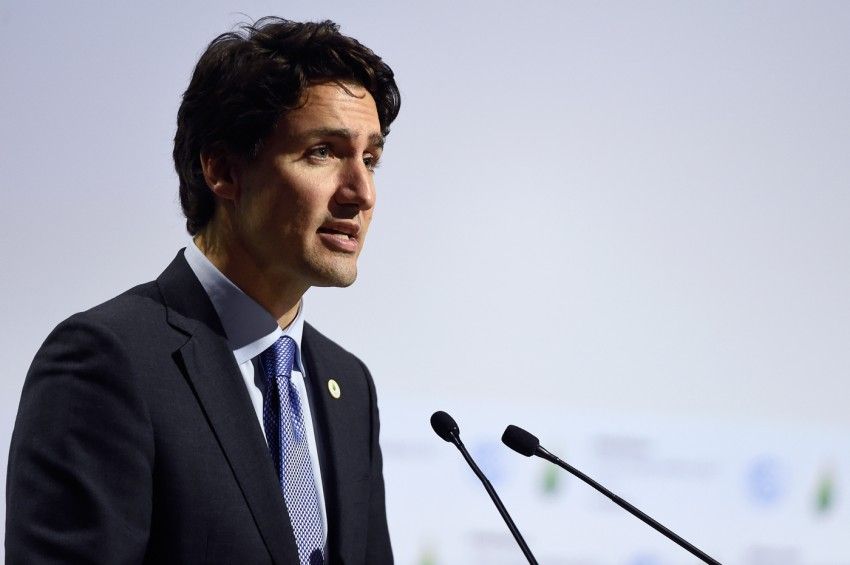
“Nobody likes taxes. So it’s a brave move by Justin Trudeau, Canada’s prime minister, to announce that the entire country must pay if it continues to burn fossil fuels.”

Nice POV read.
We know that emerging innovations within cutting-edge science and technology (S&T) areas carry the potential to revolutionize governmental structures, economies, and life as we know it. Yet, others have argued that such technologies could yield doomsday scenarios and that military applications of such technologies have even greater potential than nuclear weapons to radically change the balance of power. These S&T areas include robotics and autonomous unmanned system; artificial intelligence; biotechnology, including synthetic and systems biology; the cognitive neurosciences; nanotechnology, including stealth meta-materials; additive manufacturing (aka 3D printing); and the intersection of each with information and computing technologies, i.e., cyber-everything. These concepts and the underlying strategic importance were articulated at the multi-national level in NATO’s May 2010 New Strategic Concept paper: “Less predictable is the possibility that research breakthroughs will transform the technological battlefield … The most destructive periods of history tend to be those when the means of aggression have gained the upper hand in the art of waging war.”
As new and unpredicted technologies are emerging at a seemingly unprecedented pace globally, communication of those new discoveries is occurring faster than ever, meaning that the unique ownership of a new technology is no longer a sufficient position, if not impossible. They’re becoming cheaper and more readily available. In today’s world, recognition of the potential applications of a technology and a sense of purpose in exploiting it are far more important than simply having access to it.
While the suggestions like those that nanotechnology will enable a new class of weapons that will alter the geopolitical landscape remain unrealized, a number of unresolved security puzzles underlying emerging technologies have implications for international security, defense policy, deterrence, governance, and arms control regimes.

“Brittan Heller has a hard job. The Anti-Defamation League’s first director of technology and society, she’ll be working with tech companies to combat online harassment.”
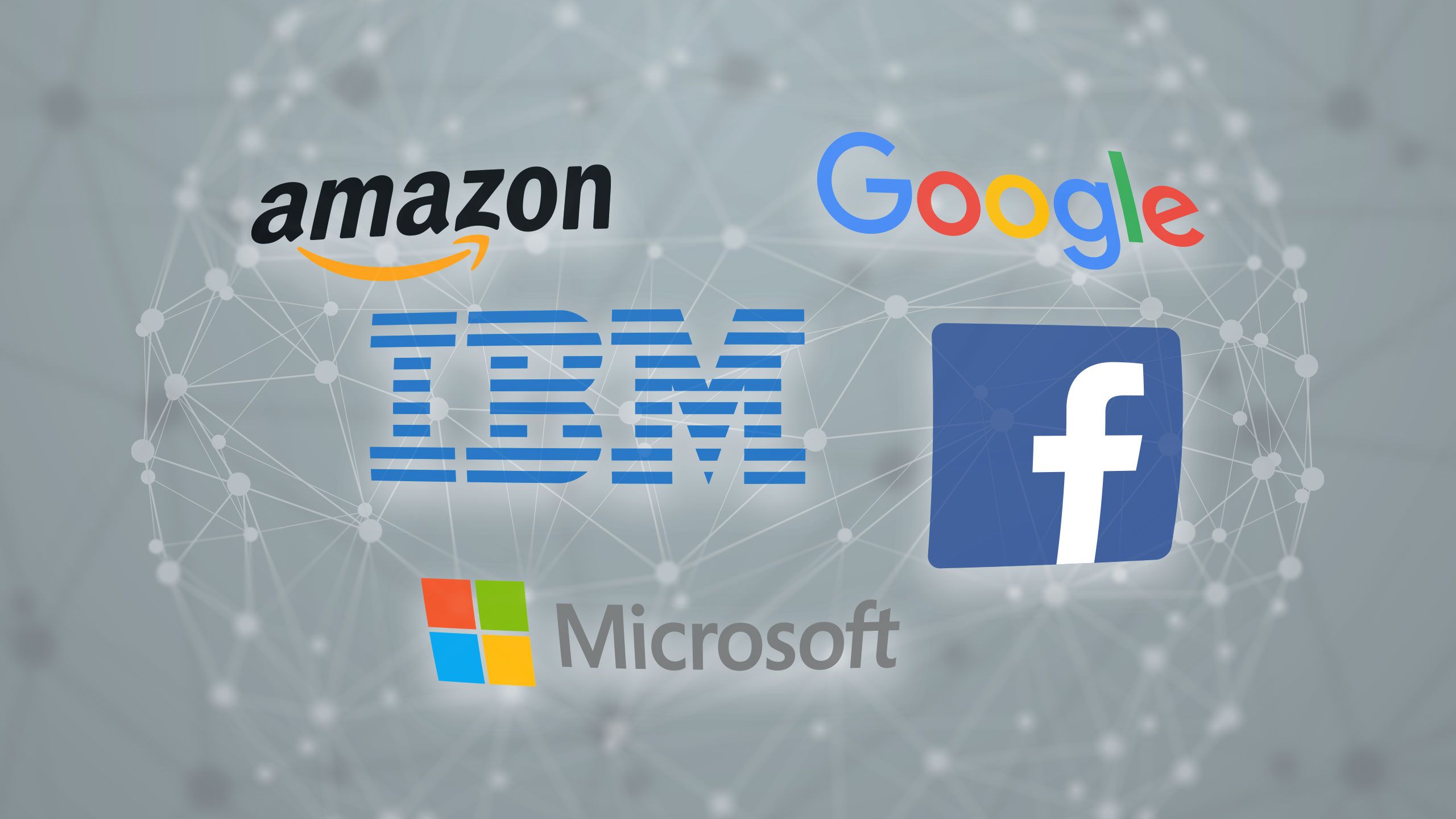
The world’s largest technology companies hold the keys to some of the largest databases on our planet. Much like goods and coins before it, data is becoming an important currency for the modern world. The data’s value is rooted in its applications to artificial intelligence. Whichever company owns the data, effectively owns AI. Right now that means companies like Facebook, Amazon, Alphabet, IBM and Microsoft have a ton of power.
In an act of self-governance, these five companies came together today to announce the launch the new Partnership on AI. The group is tasked with conducting research and promoting best practices. Practically, this means that the group of tech companies will come together frequently to discuss advancements in artificial intelligence. The group also opens up a formal structure for communication across company lines. It’s important to remember that on a day-to-day basis, these teams are in constant competition with each other to develop the best products and services powered by machine intelligence.
Financial support will be coming from the initial tech companies that are members of the group, but in the future, membership and involvement is expected to increase. User activists, nonprofits, ethicists and other stakeholders will be joining the discussion in the coming weeks.
In Brief.
Hmmm; China stepping up their game on global governance.
Premier Li embarked on a very significant tour on the 18th of September. The tour comprises of visits to New York to attend the 71st session of the United Nations General Assembly and pay official visits to Canada and Cuba upon the invitations from the respective countries.
The 71st session of the UN General Assembly will be an important one. Every session of the UN General Assembly is an historic moment, but among other things the 71st session will be the last one attended by US President Barack Obama and UN Secretary-General Ban Ki-moon, as both are about to leave office. Thus, along with discussions of global matters, the assembled leaders will also bid farewell to two of the most famous and powerful leaders among them.
The UN General Assembly session is usually the biggest multilateral event of the calendar year, with most of the top world leaders in attendance. It makes it a perfect opportunity for leaders to meet each other on the side-lines to discuss matters and touch base on past, present and future agreements and understandings between countries. Being the Premier of the second largest economy in the world, Premier Li will most definitely have a very hectic few days in New York meeting his counterparts from other countries and streamlining and strengthening communications with them while attending various engagements at the UN headquarters. At the General Assembly session during the general debates, the premier will sketch out China’s stance on global governance and international order in front of other global leaders and he will highlight measures for coping with global challenges.
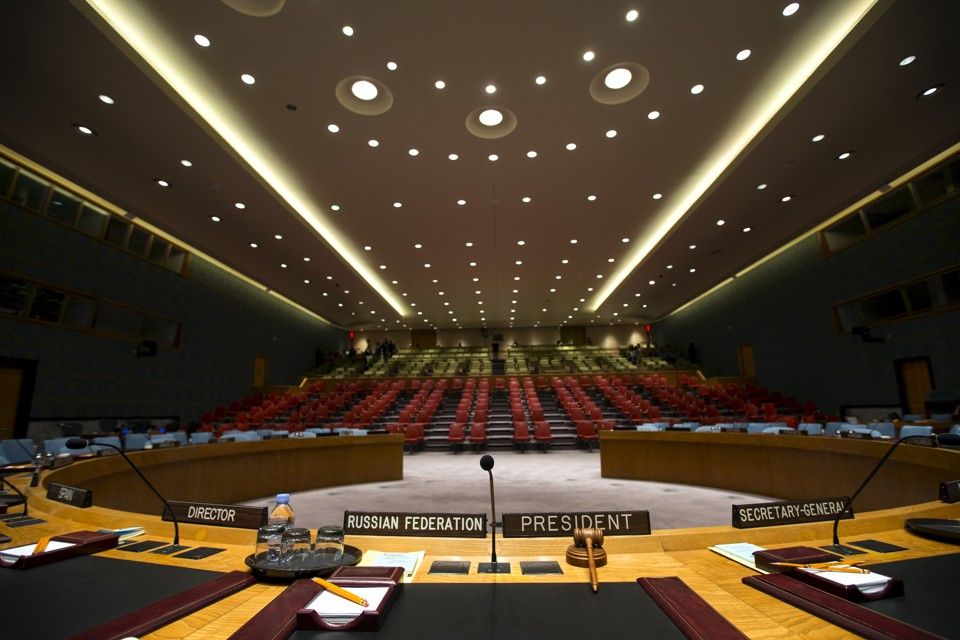
“History “teaches us that order in international relations is the exception, rather than the rule,” Kevin Rudd, the former Australian prime minister, writes in a new report on the uncertain future of the UN.”
““A woman of firsts” is perhaps only a summary description of Dame Margaret Anstee, the first woman to serve as a United Nations Under-Secretary-General.”
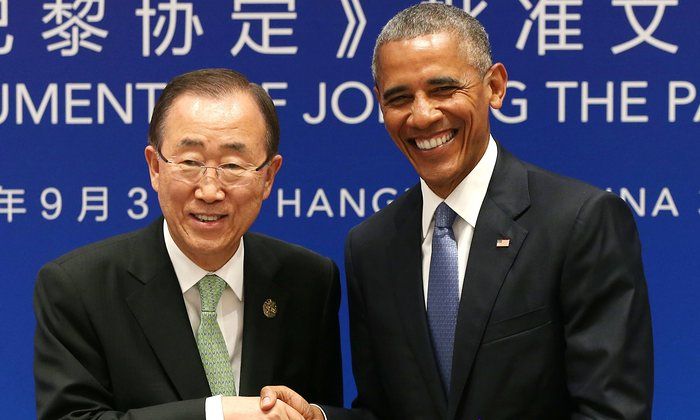
“Hopes of a fast and effective response to the global refugee crisis now rest on a summit convened by Barack Obama on Tuesday in New York, after negotiations before a meeting of world leaders at the UN on Monday failed to produce any concrete measures.”

“What do Boston, Mass., and Barcelona, Spain have in common with consumer internet platforms like Yelp and Zillow? They’re taking advantage of a growing open-data trend.”