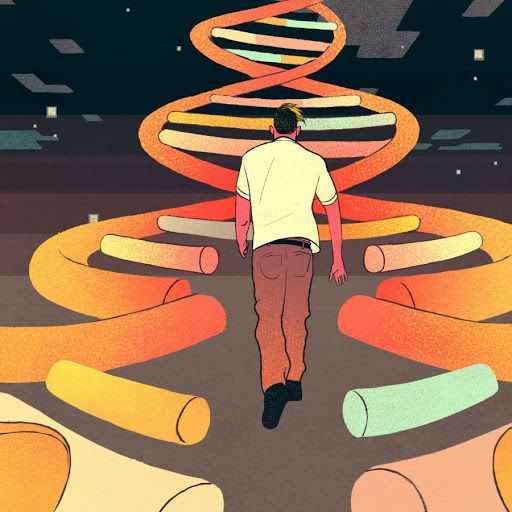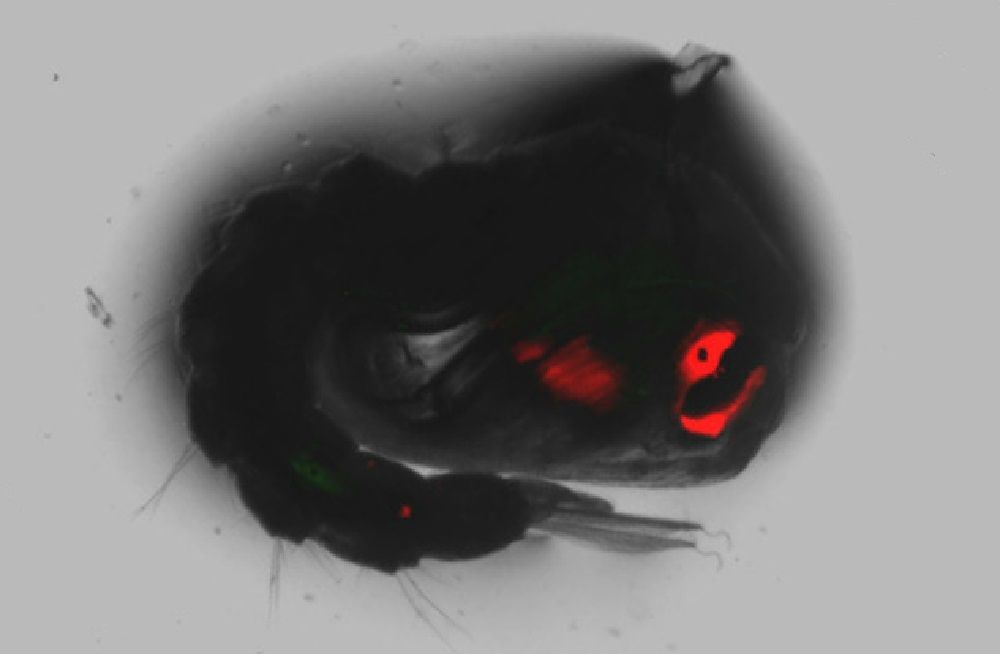
Biotech company Editas Medicine is planning to start human trials to genetically edit genes and reverse blindness.
This animation depicts the CRISPR-Cas9 method for genome editing – a powerful new technology with many applications in biomedical research, including the potential to treat human genetic disease. Feng Zhang, a leader in the development of this technology, is a faculty member at MIT, an investigator at the McGovern Institute for Brain Research, and a core member of the Broad Institute. Further information can be found on Prof. Zhang’s website at http://zlab.mit.edu.
Images and footage courtesy of Sputnik Animation, the Broad Institute of MIT and Harvard, Justin Knight and pond5.
Might be a good start point for some new longevity research.
A new genetic analysis of human gut bacteria is turning up some really weird critters—so weird, in fact, that some biologists are speculating we’ve found an entirely new domain of life. We should take that possibility with a healthy dose of skepticism. But here’s why it’s even being discussed.
In the past ten years, new genomic technologies have, for the first time, enabled scientists to explore our microbiome—that trove of invisible critters that live on us and in us. Microbiome research is quite literally rewriting the textbooks on human biology, as we learn that everything from our mouths to our intestines to our skin is, in fact a complex and diverse ecosystem. Hell, we’re even surrounded in a personal cloud of bacteria. By some estimates, the human cells in your body are vastly outnumbered by microbes.
Now that we’ve come to appreciate just how ubiquitous our microbial tenants are, we’re starting to drill deeper and learn their identities. And that’s led to some surprises. For one, a lot of the bugs living in our gut are totally distinct from anything we’ve encountered before.
Ed Boyden and Karl Deisseroth won Breakthrough Prizes for their discovery of optogenetics.
Researchers just identified part of the epigenetic pathways responsible for limb regeneration in the two-spotted cricket Gryllus bimaculatus.
Cut off the leg of an insect, and not only will the insect survive, but the leg will also grow back after some time. Cut off the leg of a human, and they’ll bleed out without proper medical attention (alas for us). Ultimately, insects are able to accomplish this amazing feat because they retain the biological pathways required for cells to differentiate and reorganize at a wound site, which is required in order to regenerate entire limbs.
The processes involve the dedifferentiation and redifferentiation of cells; however, the exact nature of the process is largely a mystery. Fortunately, some light has recently been shed on the matter, as researchers at Okayama University identified key genes involved in the regenerative process of the two-spotted cricket, Gryllus bimaculatus.
Gooooood, good.
Big data will help crack the code on aging.
Two of the leading scientists at the edge of the medical revolution believe that our life expectancy could start creeping up toward the triple digits.
David Agus, a professor of medicine and engineering at the University of Southern California, said at the Fortune Global Forum on Monday that he believes that with our current technology humans have the potential to regularly live into their ninth or tenth decade.
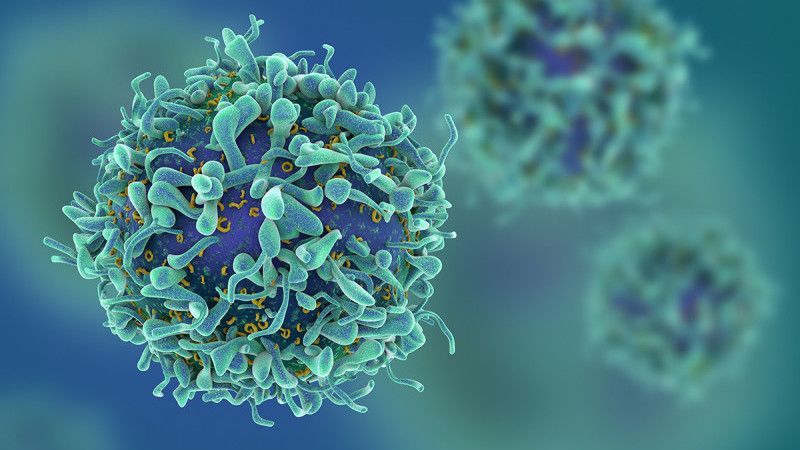
A one-year-old girl is in remission after receiving an experimental therapy that used genetically engineered T-cells from a donor to kill her cancer.
Japan has developed a new genetically mutated strawberries, and it’s BLUE
Two years after the FDA took action against the DNA-testing start-up, the company is now offering carrier screening tests for 36 conditions.