Engineered strains of E. coli and other microbes are being tested in humans to combat a slew of illnesses.

A revolutionary new DNA tool could help take humanity a step closer to eternal life. The device (pictured) pioneers a new technique that makes it cheaper and easier to synthesise genes ‘overnight’, say scientists — a process that normally takes several days.
Scientists at the University of California at Berkeley said it could lead to ‘DNA printers’ in research labs that work like the 3D printers in many modern workshops.
‘If you’re a mechanical engineer, it’s really nice to have a 3D printer in your shop that can print out a part overnight so you can test it the next morning,’ said UC Berkeley graduate student Dan Arlow.
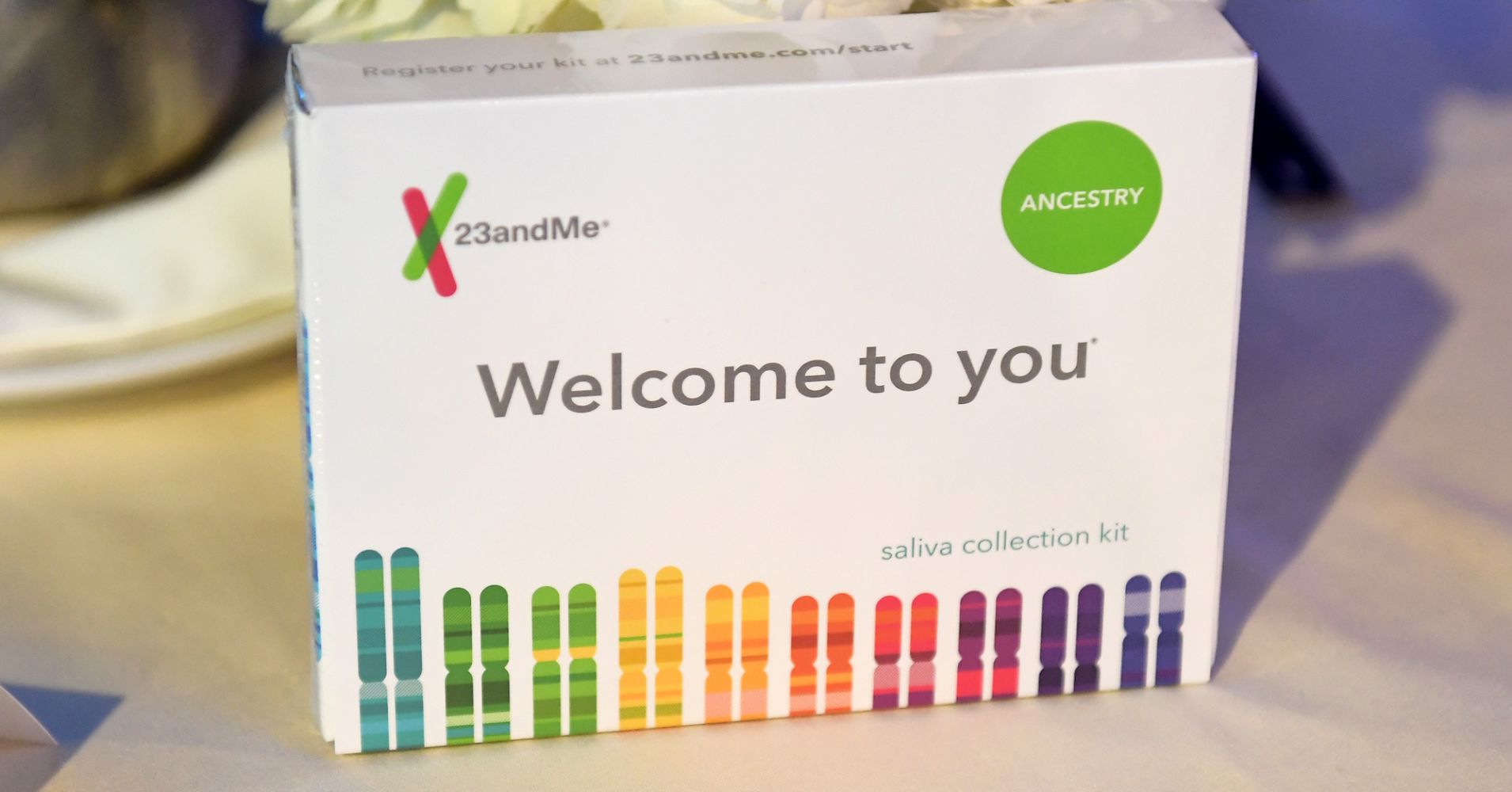
Some individuals worry they will discover things about their DNA that will be frightening — namely, the risks they run of contracting various diseases — and not know how to move forward with the information. Professional scientific skeptics contend the information may not even be as accurate as claimed, and lead people to make questionable health decisions. But there’s another type of risk that consumers aren’t focusing on as much, and it’s a big one: privacy. There is nothing more private than your personal genetic information, and sending away for a personal genome kit means sharing your DNA with the testing companies. What do they do with it, beyond providing consumers with genetic and health assessments?
Consumer DNA genetic testing kits are a booming business, and the biggest risk isn’t necessarily uncovering a health scare; it’s what these companies may do, or be forced to do, with your genetic data.
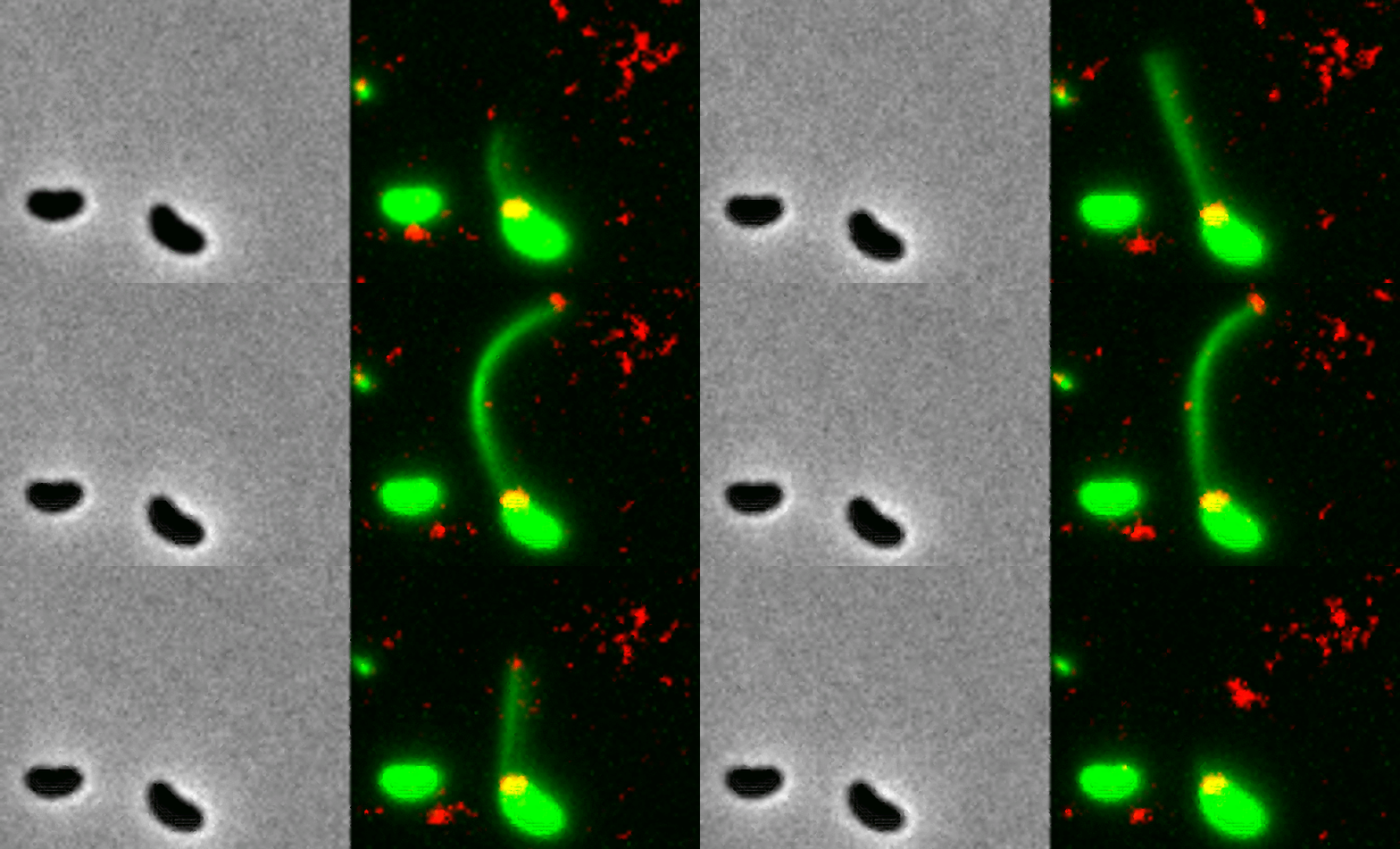
“Horizontal gene transfer is an important way that antibiotic resistance moves between bacterial species, but the process has never been observed before, since the structures involved are so incredibly small,” said biologist Ankur Dalia of Indiana University Bloomington.
Bacteria are slippery little suckers. They evolve rapidly, developing resistance to antibiotics and therefore becoming increasingly difficult to deal with. Now, for the first time, researchers have caught on film one of the mechanisms the microbes use for this speedy evolution.
Two Vibrio cholerae bacteria — the pathogen responsible for cholera — sit under a microscope, glowing a vivid green. As we watch, a tendril snakes forth from one of the bacterium, harpooning a piece of DNA and carrying it back to its body.
That appendage is called a pili, and the process whereby the bacteria incorporates the new genetic material from a different organism into its own DNA to expedite its evolution is called horizontal gene transfer.
Microsoft is “all-in” on building a quantum computer and is making advancements “every day”, according to one of the company’s top experts on the technology.
Julie Love (above), Director of Quantum Computing, called the firm’s push to build the next generation of computer technology “one of the biggest disruptive bets we have made as a company”.
Quantum computing has the potential to help humans tackle some of the world’s biggest problems in areas such as materials science, chemistry, genetics, medicine and the environment. It uses the physics of qubits to create a way of computing that can work on specific kinds of problems that are impossible with today’s computers. In theory, a problem that would take today’s machines billions of years to solve could be completed by a quantum computer in minutes, hours or days.
As the Equifax hack last year showed, there’s a lack of legislation governing what happens to data from a breach. And ultimately, a breach of genetic data is much more serious than most credit breaches. Genetic information is immutable: Vigna points out that it’s possible to change credit card numbers or even addresses, but genetic information cannot be changed. And genetic information is often shared involuntarily. “Even if I don’t use 23andMe, I have cousins who did, so effectively I may be genetically searchable,” says Ram. In one case, an identical twin having her genetic data sequenced created a tricky situation for her sister.
This week, DNA testing service MyHeritage revealed that hackers had breached 92 million of its accounts. Though the hackers only accessed encrypted emails and passwords — so they never reached the actual genetic data — there’s no question that this type of hack will happen more frequently as consumer genetic testing becomes more and more popular. So why would hackers want DNA information specifically? And what are the implications of a big DNA breach?
One simple reason is that hackers might want to sell DNA data back for ransom, says Giovanni Vigna, a professor of computer science at UC Santa Barbara and co-founder of cybersecurity company Lastline. Hackers could threaten to revoke access or post the sensitive information online if not given money; one Indiana hospital paid $55,000 to hackers for this very reason. But there are reasons genetic data specifically could be lucrative. “This data could be sold on the down-low or monetized to insurance companies,” Vigna adds. “You can imagine the consequences: One day, I might apply for a long-term loan and get rejected because deep in the corporate system, there is data that I am very likely to get Alzheimer’s and die before I would repay the loan.”
MyHeritage doesn’t offer health or medical tests, but many companies, like 23andMe and Helix, do. And there are plenty of players interested in DNA: researchers want genetic data for scientific studies, insurance companies want genetic data to help them calculate the cost of health and life insurance, and police want genetic data to help them track down criminals, like in the recent Golden State Killer case. Already, we lack robust protections when it comes to genetic privacy, and so a genetic data breach could be a nightmare. “If there is data that exists, there is a way for it to be exploited,” says Natalie Ram, a professor of law focusing on bioethics issues at the University of Baltimore.
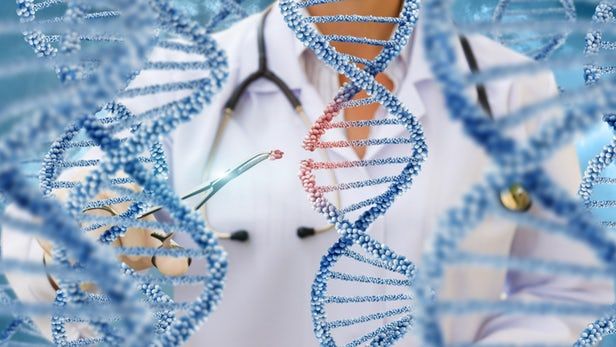
Two recently published studies are raising new concerns that the breakthrough CRISPR-Cas9 gene editing system could potentially trigger an increased cancer risk in cells edited using the technique. With human trials using the gene-editing technique set to commence this year, the scientists behind these new studies urge researchers to be aware of this newly discovered and dangerous cancer-driving mechanism.
It has been less than a decade since the revolutionary CRISPR-Cas9 gene-editing technique was discovered, allowing scientists an unprecedented way to accurately edit DNA. For the most part, the technique has proved promising, safe and effective. Last year, a controversial study was published claiming the technique could introduce unintended, off-target mutations, but after a flurry of criticism attacking the veracity of the work it was ultimately retracted.
These two new studies raise entirely new concerns regarding the technique’s potential for triggering cancer in edited cells. One study comes from a collaboration between the University of Cambridge and the Karolinska Institutet, while the other is led by a team of researchers at pharmaceutical company Novartis.

For the first time, researchers have mapped the cell nucleus in 3D, revealing the packaging and organization of a cell’s DNA in unprecedented detail.
June 8 (UPI) — The nucleus of the cell is where the action happens, but it’s not easy to analyze the behavior of a massive genome inside an area 50 times smaller than the width of a human hair.
Now, for the first time, researchers have mapped the cell nucleus in 3D, revealing the packaging and organization of a cell’s DNA in unprecedented detail.
Inside each cell is the same massive chain of DNA. But most of the coding lies dormant. The combination of genetic sequences within in the chain that are turned off or on — and expressed via RNA — determines the role and functionality of each cell.