SOME Geneticists scare the hell out of me??? AEWR.
Will we one day combine tardigrade DNA with our cells to go to Mars?
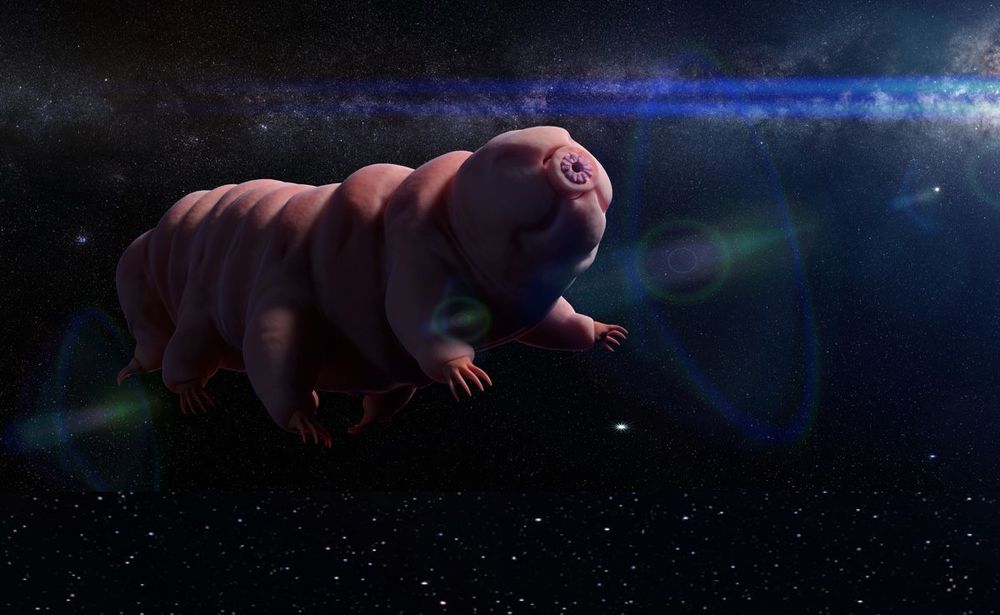
Chris Mason, a geneticist and associate professor of physiology and biophysics at Weill Cornell University in New York, has investigated the genetic effects of spaceflight and how humans might overcome these challenges to expand our species farther into the solar system. One of the (strangest) ways that we might protect future astronauts on missions to places like Mars, Mason said, might involve the DNA of tardigrades, tiny micro-animals that can survive the most extreme conditions, even the vacuum of space!
Hypoxia, stress induce genetic, physiological adaptations through HIF signaling pathways. Adaptations result in context dependent improvement or disease.
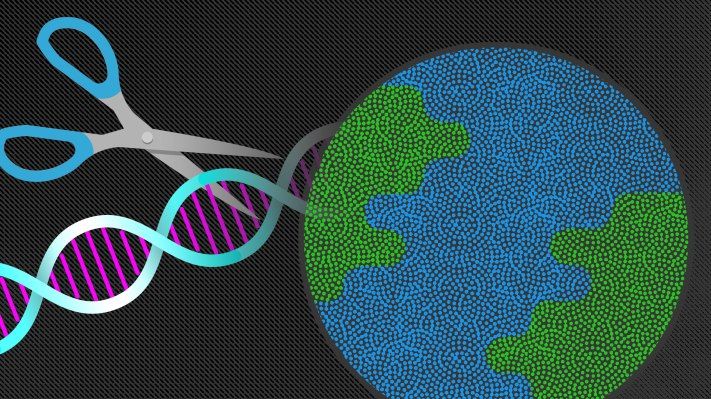
CRISPR, the revolutionary ability to snip out and alter genes with scissor-like precision, has exploded in popularity over the last few years and is generally seen as the standalone wizard of modern gene-editing. However, it’s not a perfect system, sometimes cutting at the wrong place, not working as intended and leaving scientists scratching their heads. Well, now there’s a new, more exacting upgrade to CRISPR called Prime, with the ability to, in theory, snip out more than 90% of all genetic diseases.
Just what is this new method and how does it work? We turned to IEEE fellow, biomedical researcher and dean of graduate education at Tuft University’s school of engineering Karen Panetta for an explanation.
When an undiagnosed rare genetic disease caused his young son’s kidneys to fail, Professor Chris Toumazou vowed to find a way of uncovering hidden health risks.
The professor of biomedical engineering realised that, although his son’s condition could not have been prevented, the family could have managed his lifestyle very differently had they known about his condition.
So, he embarked on a mission to help people change their lifestyles and avoid getting sick.
Researchers from the Max Planck Institute for Evolutionary Anthropology in Leipzig, Germany, Institute of Molecular and Clinical Ophthalmology Basel, and ETH Zurich, Switzerland, have presented new insights into the development of the human brain and differences in this process compared to other great apes. The study reveals features of brain development that are unique to humans, and outlines how these processes have diverged from those in other primates.
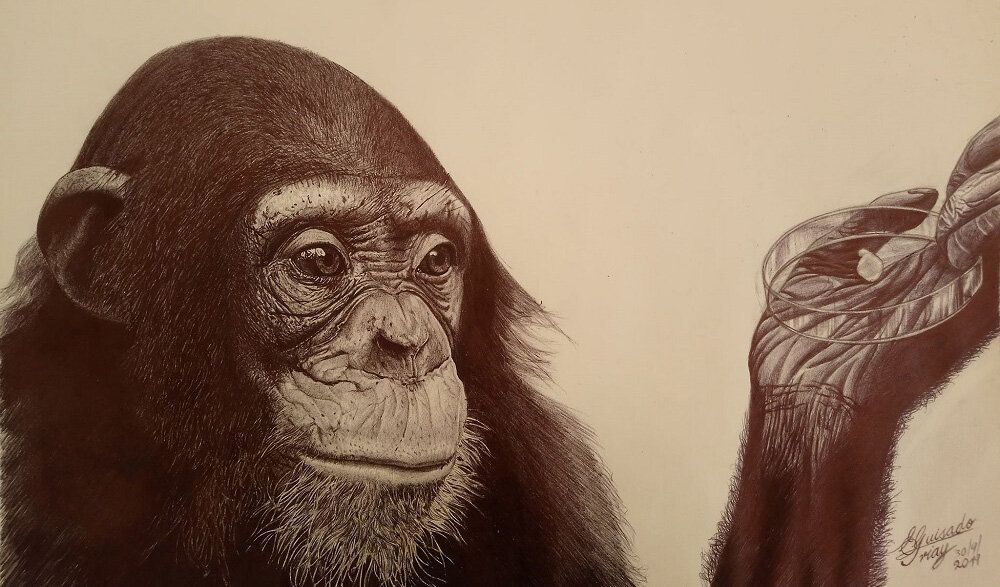
Since humans diverged from a common ancestor shared with chimpanzees and the other great apes, the human brain has changed dramatically. However, the genetic and developmental processes responsible for this divergence are not understood. Cerebral organoids (brain-like tissues), grown from stem cells in a dish, offer the possibility to study the evolution of early brain development in the laboratory.
Sabina Kanton, Michael James Boyle and Zhisong He, co-first authors of the study, together with Gray Camp, Barbara Treutlein and colleagues analyzed human cerebral organoids through their development from stem cells to explore the dynamics of gene expression and regulation using methods called single-cell RNA-seq and ATAC-seq. The authors also examined chimpanzee and macaque cerebral organoids to understand how organoid development differs in humans.
Scientists who are trying to save species at the brink of extinction are finding help in an unexpected place.
Heather Farrington, curator of zoology for the Cincinnati Museum Center, is using DNA from specimens collected more than 100 years ago to help understand the evolution and stresses faced by today’s animals.
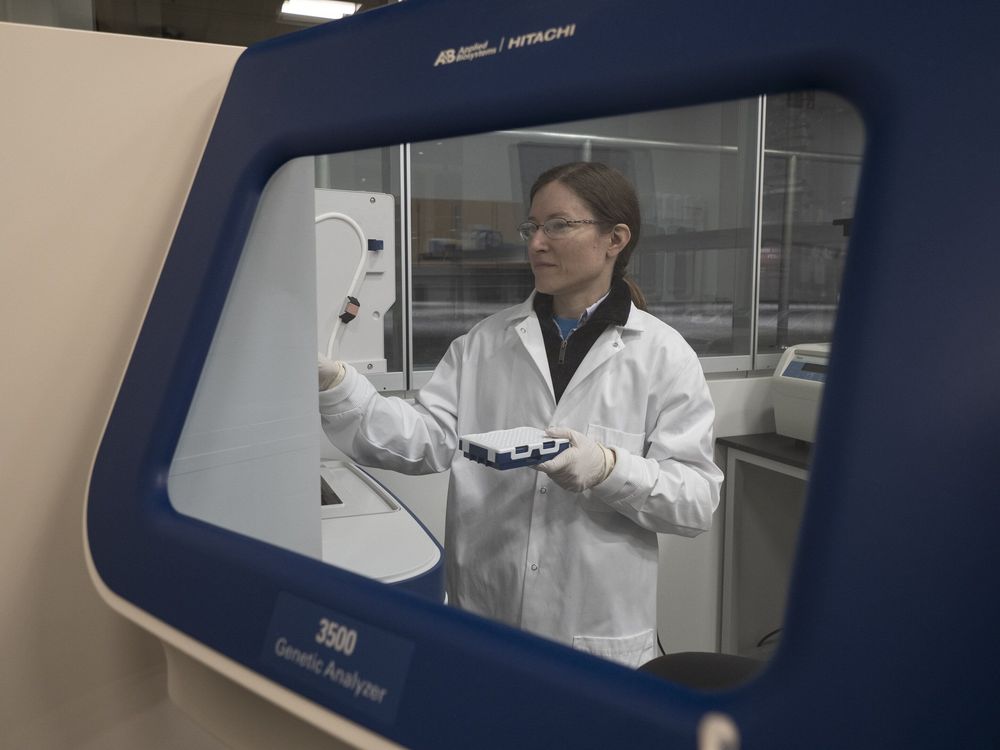
Farrington runs the museum’s new state-of-the-art genetics laboratory, which helps researchers study populations of animals over time.
Doctors have reported on the first attempts in the United States to use gene editing to help patients fight cancer.
The doctors say one form of gene editing appeared to be safe when tested in three patients. But it is not yet known what long-term effects the method will have on cancer treatment or patient survival rates.
A gene editing tool called CRISPR/Cas9 was used in the tests, which were recently reported in a medical study. The method was discovered in recent years as a way to change the genetic material that make up a person’s DNA.
Scientists at the University of Birmingham have unravelled the genetic mechanisms behind tiny waterfleas’ ability to adapt to increased levels of phosphorus pollution in lakes.
By mapping networks of genes to the physiological responses of ancient and modern waterfleas (Daphnia), the researchers, based in the University’s School of Biosciences, were able to show that a cluster of over 800 genes, many of them involved in metabolic processes, evolved to become “plastic”, or flexible.
This allows the modern Daphnia to adjust its gene expression according to the amount of phosphorus present in the environment. This is particularly fascinating as their 700-year-old ancestors were incapable of such a plastic response.
TABLE OF CONTENTS ————— 0:00–17:57 : Introduction (Meaning of Life) 17:58–37:45 CHAPTER 1: Longevism and Life Extension —————————————————————————————– WHY DOES AGING HAPPEN? —————————————————————————————– 37:46–54:39 CHAPTER 2 : Gerontonology and Aging a. Free Radical Theory of Aging b. Waste Accumulation Theory of Aging c. Stem Cell Theory of Aging d. DNA Damage Theory of Aging. —————————————————————————————– HOW DO WE CURE AGING? —————————————————————————————– 54:39–1:08:39 : CHAPTER 3 :The Biochemical Solution (#1) a. mitoSENS b. oncoSENS c. lysoSENS d. amyloSENS e. apoptoSENS f. repliSENS g. glycoSENS 1:08:40–2:13:12 CHAPTER 4 : The Physiological Solution (#2) a. Parabiosis and Biovampirism b. Regeneration and Stem Cells c. Lab Grown Organs and Bioprinting d. Head Transplants and Doppleganger Bodies. 2:13:12–2:33:19 CHAPTER 5 : The Genetic Solution (#3) a. TALEN genetic engineering b. Zinc-Finger gene tailoring c. CRISPR-Cas9 gene editing. —————————————————————————————– WILL WE CURE AGING GENETICALLY? —————————————————————————————– 2:33:20–2:49:58 : CHAPTER 6 : Genomics and DNA 2:49:59–3:05:48 : CHAPTER 7 : Transcriptomics and RNA 3:05:49–3:22:08 : CHAPTER 8 : Proteomics and TNA 3:22:09–3:39:38 : CHAPTER 9 : Xenobiology and XNA a. alien proteins b. alien base pairs c. alien DNA 3:39:39–3:54:58 : CHAPTER 10 : Vectors and Gene Therapy (Gene Editing #1) 3:54:59–4:14:57 : CHAPTER 11 : Synthetic Biology (Gene Editing #2) 4:14:58–4:32:14 : CHAPTER 12 : Chimeras, Rianths, and Splices (Gene Editing #3) 4:32:15–4:48:35 : CHAPTER 13 : Ouroborology and Immortal Chimeras (Gene Editing #4) 4:48:36-:5:03:52 : CHAPTER 14 : Kleptoplasty and Photosynthesis (Gene Editing #5) —————————————————————————————- HOW TO SURVIVE UNTIL AGING IS CURED —————————————————————————————- 5:03:53–5:14:27 : CHAPTER 15 : Survive to the Singularity a. the breakeven point b. longevity escape velocity c. the longevity dividend. 5:14:28–5:30:16 : CHAPTER 16 : Centennarians and Blue Zones (Survival Method #0) a. loma linda b. ikaria c. sardinia d. okinawa. 5:30:17–5:42:26 : CHAPTER 17 : Risk Aversion and Micromorts (Survival Method #1) a. micromorts b.microlives 5:42:27–5:58:18 : CHAPTER 18 : Nutraceuticals and Geroprotectors (Survival Method #2) a. rapamycin b. metformin c. selegilene d. nicotinamide riboside e. resverratrol. 5:58:19–6:12:51 : CHAPTER 19 : Caloric Restriction (Survival Method #3) a. endocrine b. epigenetic c. genetic 6:12:52–6:51:57 : CHAPTER 20 : Cryonics & Cryogenics (Survival Method #4) a. the efficacy question b. the cost question c. the resurrection question d. the identity question e. the legal question f. the catastrophe question g. the culture question. —————————————————————————————– CAN WE BE IMMORTAL WITHOUT CURING AGING? —————————————————————————————– _______________________________________________________ 6:51:58–7:04:08 : CHAPTER 21 : Genetic Immortality — Test Tube Babies 7:04:09–7:24:02 : CHAPTER 22 : Genetic Immortality — Designer Babies 7:24:03–7:41:55 : CHAPTER 23 : Genetic Immortality — Clone Babies 7:41:56–7:53:08 : CHAPTER 24 : Genetic Immortality — Artificial Wombs 7:53:08–7:53:09 CHAPTER 25 : Immortalism and Ethics a. the crime argument b. the natural argument c. the boredom argument d. the inequality argument e. the overpopulation argument f. the gerontocracy argument g. the economic argument h. EPILOGUE