Toggle light / dark theme

Nested CRISPR enables efficient genome editing using long DNA fragments

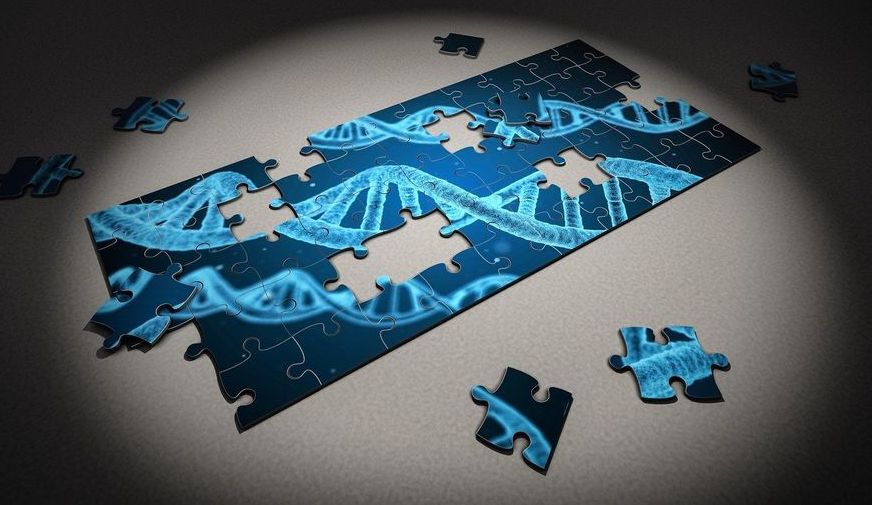
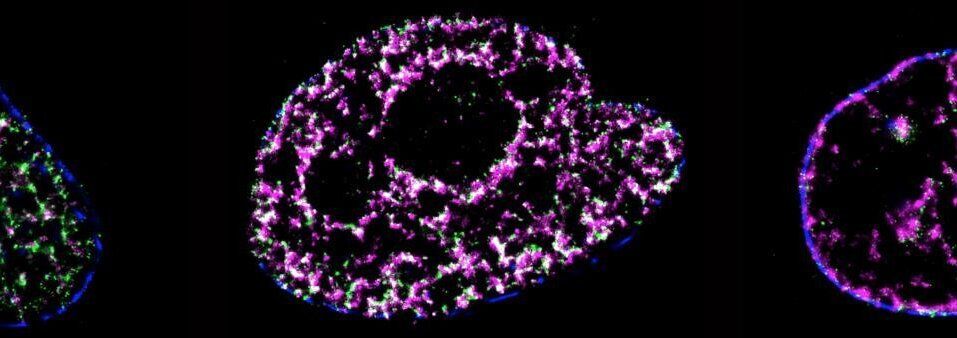
CRISPR is a technique that is revolutionizing biomedical research through high-precision genome editing. However, even though it allows the creation or correction of mutations consisting of a single or few nucleotides with relative ease, it still possesses limitations for larger fragments of DNA in the genome. For instance, the genomic insertion of a gene that produces a fluorescent protein such as the widely-used GFP suffers from poor efficiency and involves complicated cloning steps.

Aging and chronic diseases share genetic factors, study reveals

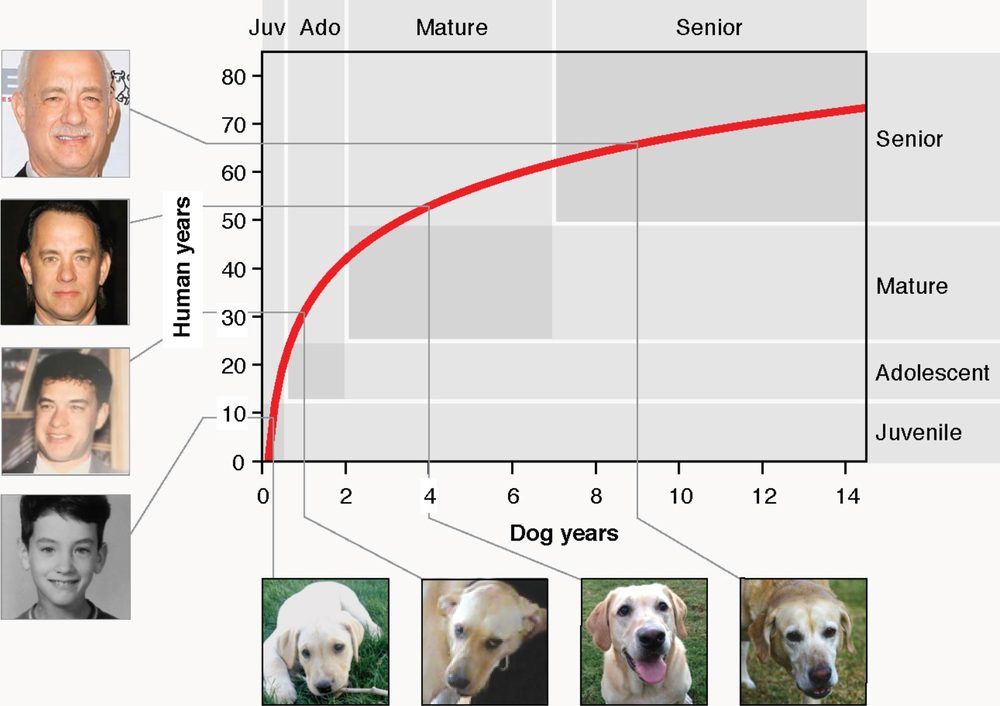
The global population aged 60 or over is growing faster than all younger age groups and faces the tide of chronic diseases threatening their quality of life and posing challenges to healthcare and economy systems. To better understand the underlying biology behind healthspan — the healthy period of life before the first chronic disease manifestation — the scientists from Gero and MIPT collaborated with the researchers from PolyOmica, the University of Edinburgh and other institutes to analyze genetic data and medical histories of over 300,000 people aged 37 to 73 made available by UK Biobank.

The study published today in Communications Biology was lead by Dr. Peter Fedichev and Prof. Yurii Aulchenko. It shows that the most prevalent chronic conditions such as cancer, diabetes, chronic obstructive pulmonary disease, stroke, dementia, and some others apparently share the common underlying mechanism that is aging itself.

«According to Gompertz mortality law, the risk of death from all causes increases exponentially after the age of 40 and doubles approximately every 8 years», explains Peter Fedichev, founder and CSO of Gero. «By analyzing the dynamics of disease incidence in the clinical data available from UKB, we observed that the risks of age-related diseases grow exponentially with age and double at a rate compatible with the Gompertz mortality law. This close relation between the most prevalent chronic diseases and mortality suggests that their risks could be driven by the same process, that is aging. This is why healthspan can be used as a natural proxy for investigation of the genetic factors controlling the rate of aging, the “holy grail” target for anti-aging interventions».

Ira Pastor — Dr. Michael Lustgarten — IdeaXMe

Very excited to have interviewed Dr. Michael Lustgarten in my role as longevity / aging ambassador for the ideaXme Show — Mike has been at the forefront of studying the 100 trillion organisms present in the human microbiome, their effect on human health and wellness, as well as a major proponent of metabolomics and biologic age tracking — A true future thinker in the area of extending human lifespan and healthspan

Mollusk with magnetic teeth could be the key to nanoscale energy sources

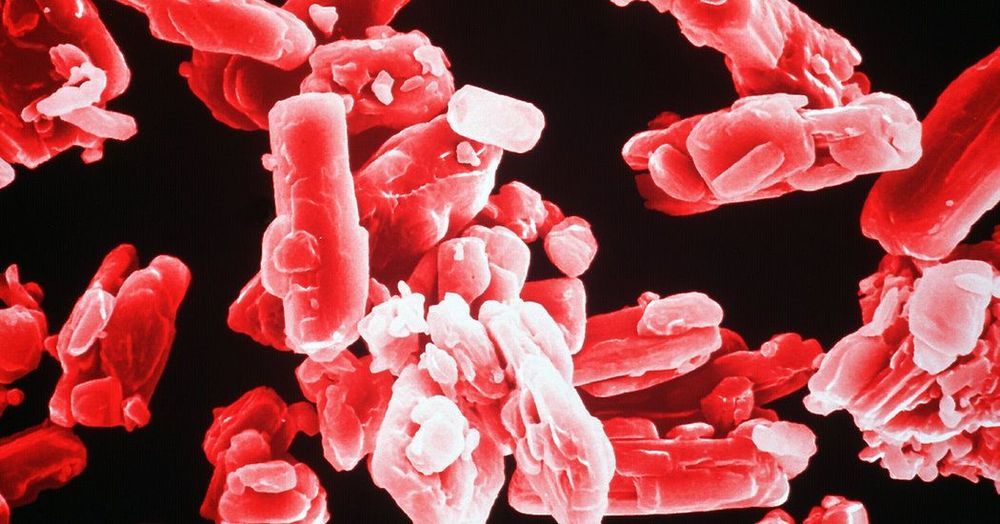
A team of scientists have made a new discovery about naturally occurring magnetic materials, which in turn could lead to the development of nanoscale energy sources used to power next generation electronic devices. Researchers from Japan’s Okayama University and UC Riverside’s Bourns College of Engineering worked together to study the gumboot chiton, a type of mollusk that produces teeth made of the magnetic mineral magnetite, in hopes of better understanding its genetic process.

/* */