Kyle Conner recently visited the Goodyear Proving grounds in Texas. Since Goodyear makes tires for Tesla, it has its own secret Supercharger on site.
Category: futurism – Page 959

Google Issues Warning For 2 Billion Chrome Users
This is the sixth zero day vulnerability to be found in Chrome since the turn of the year and the latest version of Chrome also contains a total of 10 security patches, seven of which are listed as ‘High’ threat with another described as ‘Critical’. To its credit, Google has been consistently quick to release fixes for these flaws with the current fix taking under a week.
If you have been holding off updating your browser, now is the time to put that right. Speaking to BleepingComputer, cyber security vendor Kaspersky warned that a new group of hackers calling themselves ‘PuzzleMaker’ have been successful in hacking both Chrome and Windows this month with Microsoft also issuing an urgent upgrade warning to Windows users.
Kaspersky advises that further undisclosed zero-day hacks in the near future could not be ruled out, so stay alert and make sure both your browser and operating system security are kept up to date.



How to Deal with Infinity in Python
Introducing ways of defining and working with Infinite values in Python.
∀ x ∈ ℝ, -∞ < x < ∞
Every number is smaller than positive infinity and bigger than negative infinity.
There is a variety of ways in which we can represent infinity in Python. We will discuss three of the most popular ones below.
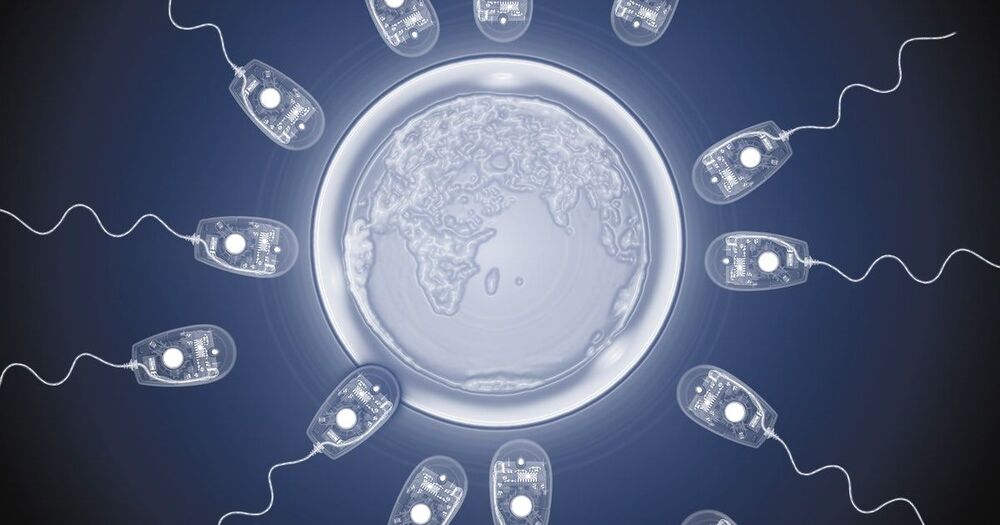
Freeze-dried sperm: The future of space colonies is being tested on the ISS
Life on Mars may be freeze-dried.
But there’s a solution: freeze-dry it.
In a first-of-its-kind experiment, a team of Japanese researchers freeze-dried samples of mice sperm and sent them aboard the ISS to see how well this crucial element of human life (and, well, a lot of life on Earth) will fair against the harsh radiation of space.
Even after six long years aboard the ISS, the team found that the mice’s space sperm sired equally healthy pups as its terrestrial control. An additional X-ray experiment predicts that this positive outcome could persist with up to 200 years of space radiation exposure.
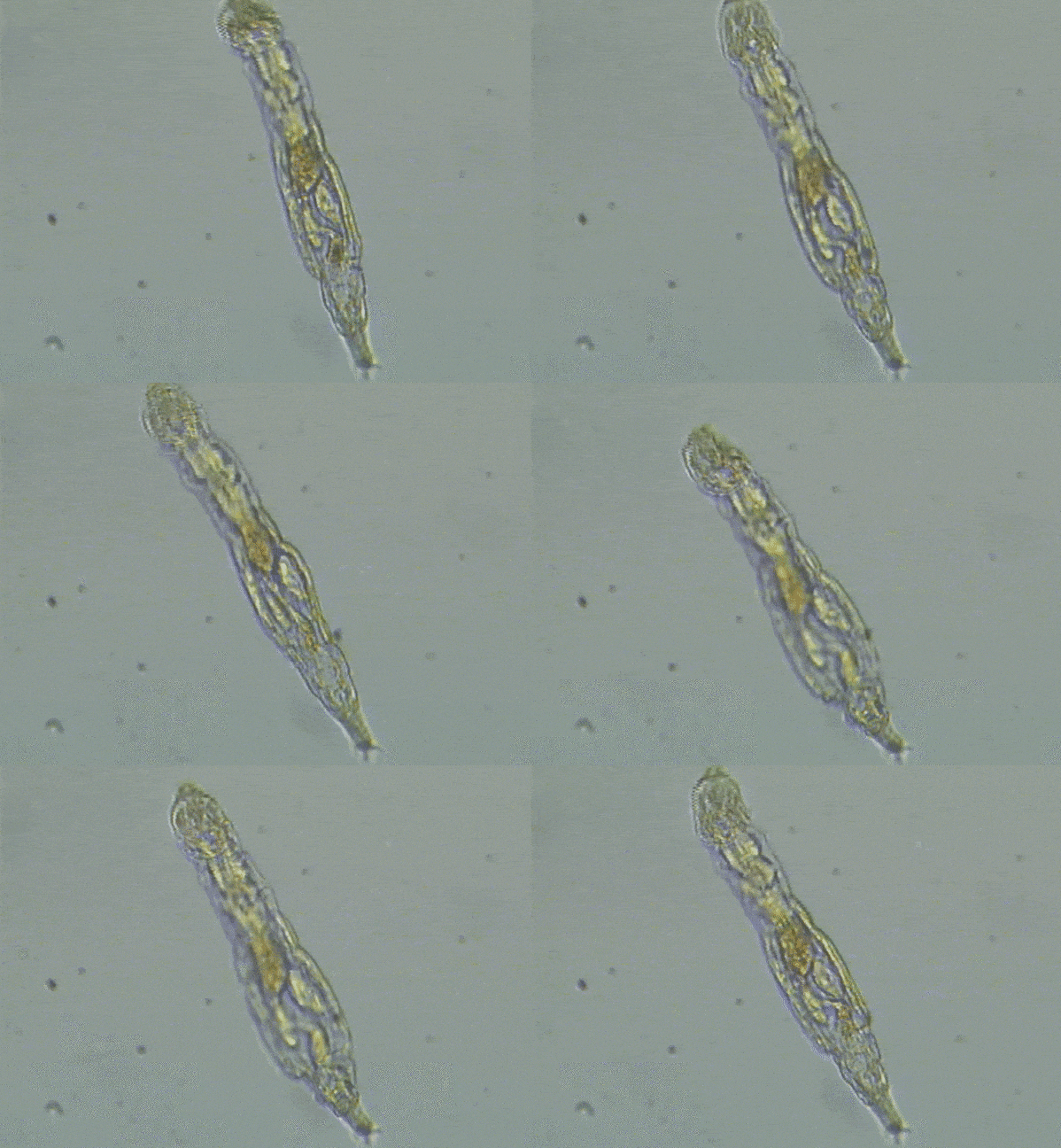
Scientists evolve a fungus to battle deadly honey bee parasite
Biopesticide might become safer alternative to existing treatments.

Humans have a tool kit to produce venom, finds study
A new study has revealed that humans — along with all other mammals and reptiles — have the capability of producing venom. The study, published on Monday (March 29) in the journal Proceedings of the National Academy of Sciences, said humans apparently have a “tool kit” to produce venom.
According to a report in Live Science, humans already produce a key protein used in many venom systems.
It said kallikreins, a kind of protein that digest other proteins, are secreted in saliva and are a key part of many venoms. They are a natural starting point for theoretically venomous humans.