Pocket sized kidney.
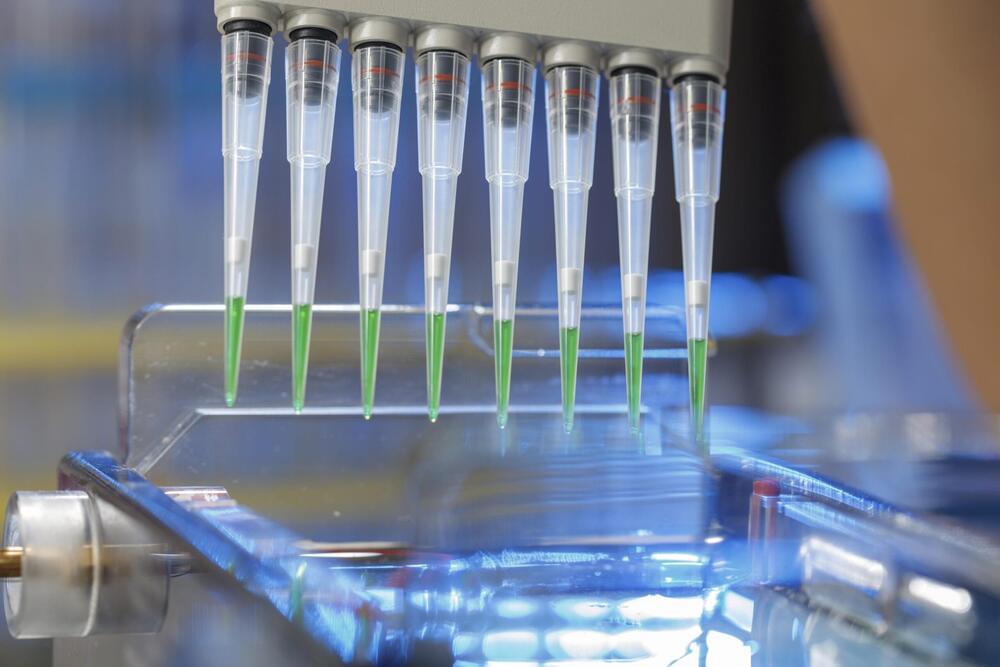
Using a device the size of a credit card that can model a real kidney, researchers at the UW School of Pharmacy are giving new hope to people with kidney conditions.
Pocket sized kidney.
Using a device the size of a credit card that can model a real kidney, researchers at the UW School of Pharmacy are giving new hope to people with kidney conditions.
The American West is running out of water—and Big Oil, of all things, can help fix it.
It’s time to repurpose our oil and gas infrastructure to do something good for the planet: transport water to the parched West.
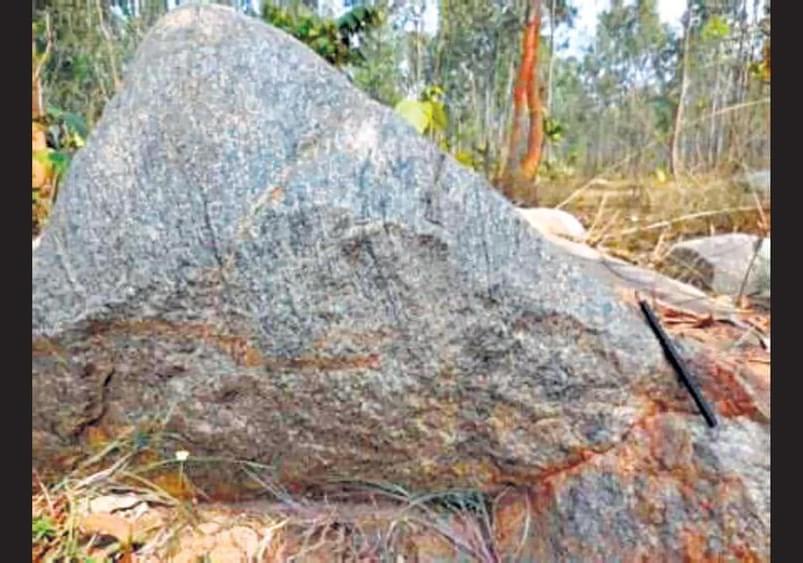
“We were confident that the rocks of the Champua region were even older than previously thought,” says Mazumder, 53 now an associate professor of applied geosciences at the German University of Technology in Oman.
They were right. In 2,018 they published a paper in the journal Scientific Reports on two zircon crystals they extracted from rocks taken from the Champua site. While the rocks were 3.4 billion years old, the crystals were much older, at an estimated 4 and 4.2 billion years old.
Some types of restricted and repetitive behaviors become more prevalent among autistic children and teenagers over time, depending on their age and intellectual ability, whereas others decrease, two new studies show.
The results lend fresh support to the argument that restricted and repetitive behaviors — a core diagnostic trait that includes repetitive movements, insistence on sameness, sensory sensitivities and restricted interests — are too diverse to be lumped together.
“This is a complex behavioral domain that comprises several different subdomains that likely have different causes and might respond to different treatments,” says Mirko Uljarević, senior research fellow at the University of Melbourne in Victoria, Australia, who led one of the studies.
Time isn’t just another dimension, argues Tim Maudlin. To make his case, he’s had to reinvent geometry.
The future of vaccines may look more like eating a salad than getting a shot in the arm. UC Riverside scientists are studying whether they can turn edible plants like lettuce into mRNA vaccine factories.
One of the challenges with this new technology is that it must be kept cold to maintain stability during transport and storage. If this new project is successful, plant-based mRNA vaccines — which can be eaten — could overcome this challenge with the ability to be stored at room temperature.
The project’s goals, made possible by a $500,000 grant from the National Science Foundation, are threefold: showing that DNA containing the mRNA vaccines can be successfully delivered into the part of plant cells where it will replicate, demonstrating the plants can produce enough mRNA to rival a traditional shot, and finally, determining the right dosage.
A research laboratory in Berlin is using automation and artificial intelligence to develop “digital twins” of cells for cell-line development.
Learn More.
Boston Dynamics.
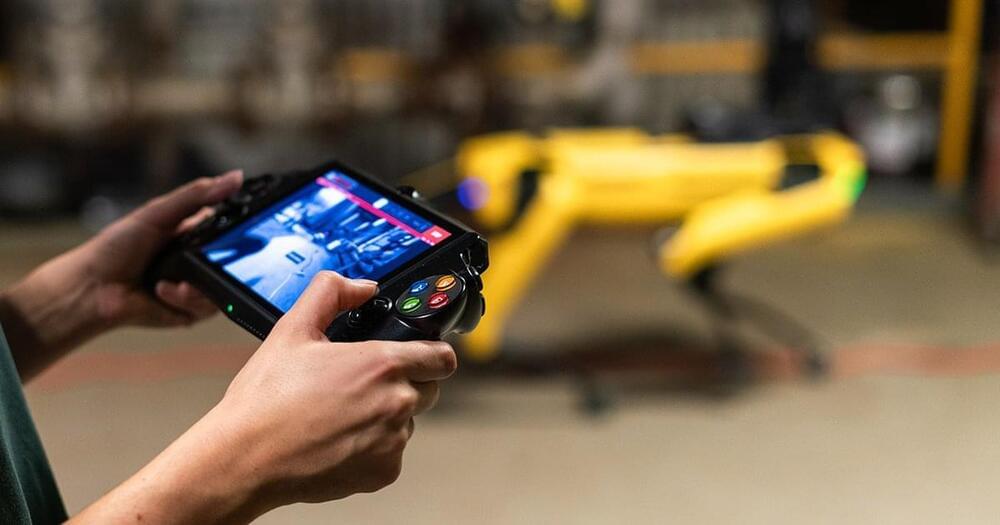
We’re excited to announce Spot 3.0! This release adds flexible autonomy and repeatable data capture, making Spot the dynamic solution for real-world sensing.
The Spot Release 3.0 adds flexible autonomy and repeatable data capture; Spot is the data collection solution for safer and more efficient inspections.
“Scientists are meant to know what’s going on, but in this particular case, we are deeply confused.”