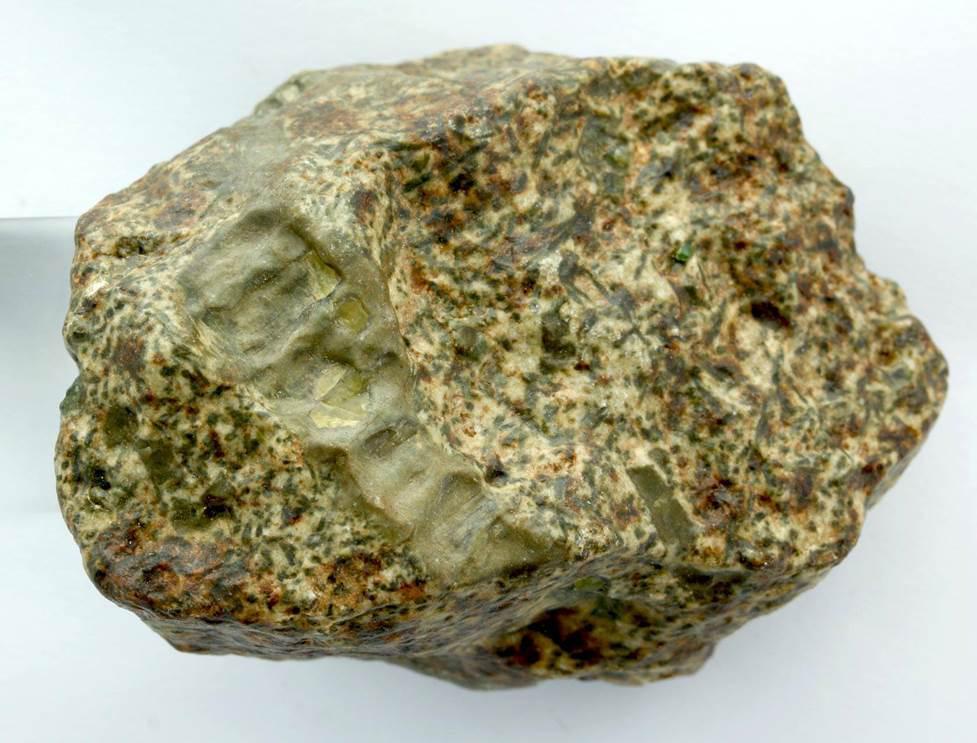
The rock, found in the Sahara, likely comes from a long-lost baby protoplanet.

La Niña conditions of 2021 cooled the global average surface temperature. Parts of Australia, southern Africa and northwestern North America saw cooler temperatures during the year.
The La Niña conditions of 2021 took the edge off the global average surface temperature. Parts of Australia, southern Africa and northwestern North America saw cooler temperatures during 2021 compared to recent years as the effects of La Niña kicked in.
Unless we have another strong La Niña very soon, we’re going to keep seeing even hotter years than 2021 for the foreseeable future until net global greenhouse gas emissions cease.


A number of India-based call centers and their directors have been indicted for their alleged role in placing tens of millions of scam calls aimed at defrauding thousands of American consumers.
The indictment charged Manu Chawla, Sushil Sachdeva, Nitin Kumar Wadwani, Swarndeep Singh, Dinesh Manohar Sachdev, Gaje Singh Rathore, Sanket Modi, Rajiv Solanki and their respective call centers for conspiring with previously indicted VoIP provider E Sampark and its director, Guarav Gupta, to forward the calls to U.S. citizens.
“Criminal India-based call centers defraud U.S. residents, including the elderly, by misleading victims over the telephone utilizing scams such as Social Security and IRS impersonation as well as loan fraud,” the U.S. Justice Department said in a release.