It’s astonishing how much methane is leaking.


A big reason for the high rate of app abandonment is bad experience, particularly slowness and unreliability. A report by Think Storage Now found that 70% of mobile app users will abandon an app that takes too long to load. And an older but still often cited Compuware study found that 84% of app users will abandon an app if it fails just two times.
These facts help emphasize that the margin of error is small when it comes to keeping users happy and engaged. Providing a fast, reliable experience is key to the success of your mobile app, and using the right database — one built for mobile apps — is key to achieving it.
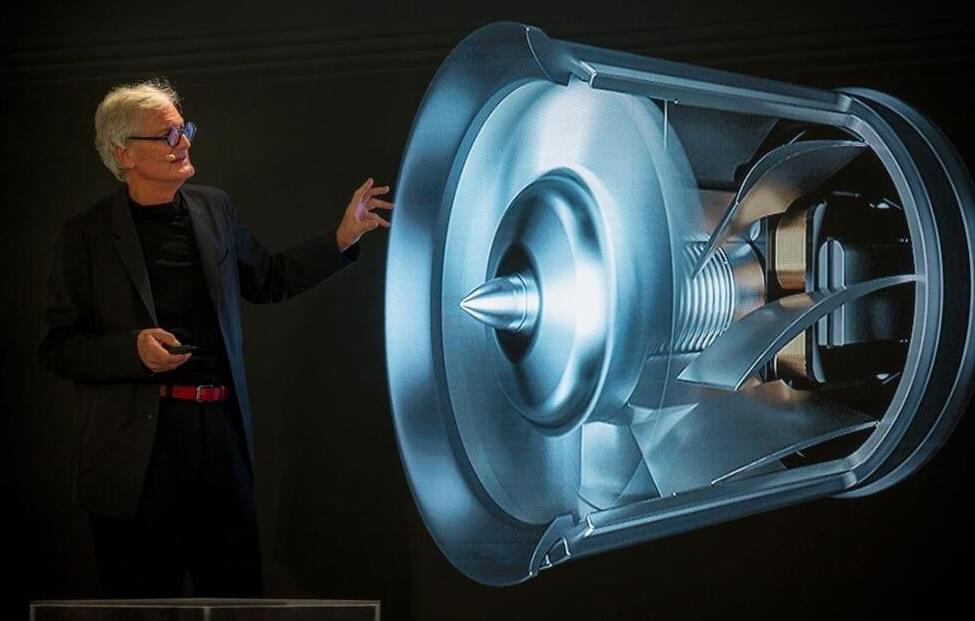
James Dyson’s technology firm gave a record 10-figure dividend to his family holding company last year as the billionaire continues to build up his fortune outside his largest asset.
Dyson Holdings paid Weybourne Holdings £1 billion ($1.1 billion) in 2021, the biggest annual cash transfer ever for the UK entrepreneur’s investment group, according to registry filings. Weybourne is also set to receive at least £500 million more this year from a dividend declared in January by the closely held maker of bagless vacuum cleaners.
Join us to build the future of AI → https://www.tesla.com/ai
In this video I discuss the Future of Reality… What will be the Next Quadrillion Dollar Company in Tech.
Support me on Patreon: https://www.patreon.com/AnastasiInTech.

For the cdc it could basically see the viral loads in the air and even map them globally to prevent viral outbreaks that are airborne or not.
Article Views are the COUNTER-compliant sum of full text article downloads since November 2008 (both PDF and HTML) across all institutions and individuals. These metrics are regularly updated to reflect usage leading up to the last few days.

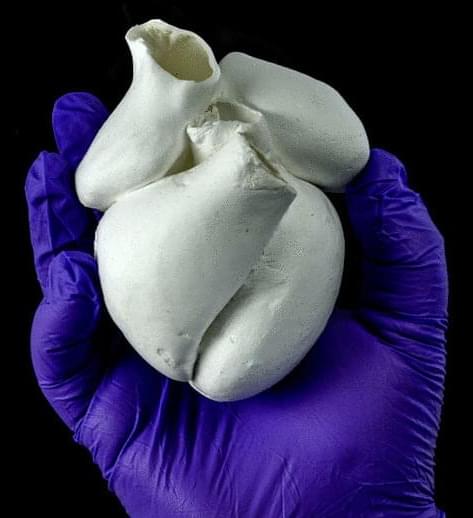
Scalable biofabrication of heart helical tissue pattern augments pumping function.
Michael V. Sefton [email protected] and Craig A. Simmons
Science.
Agility CEO Damion Shelton and CTO Jonathan Hurst discuss artificial intelligence and its role in robot control. They also discuss the capability of robot learning paired with physics-based locomotion, Cassie setting a new world record using learned policies for control, and an exploration of the future of robotics through Dall-E.
At Agility, we make robots that are made for work. Our robot Digit works alongside us in spaces designed for people. Digit handles the boring and repetitive tasks that are meant for a machine, which allows companies and their people to focus on the work that requires the human element.
Subscribe (hit the bell for notifications)
Join our Team.
https://www.agilityrobotics.com/careers.
Follow our Journey.
https://twitter.com/agilityrobotics.
https://www.linkedin.com/company/agil…
https://www.instagram.com/agility_rob…
https://www.tiktok.com/@agility_robotics.
#robotics #machinelearning #artificialintelligence #robot #engineering