
FDA did not identify deficiencies in ByHeart’s production facilities that could explain the outbreak, but a powdered milk ingredient did test positive for C. botulinum. ByHeart is developing an action plan based on data generated from the investigations.
Category: futurism – Page 64
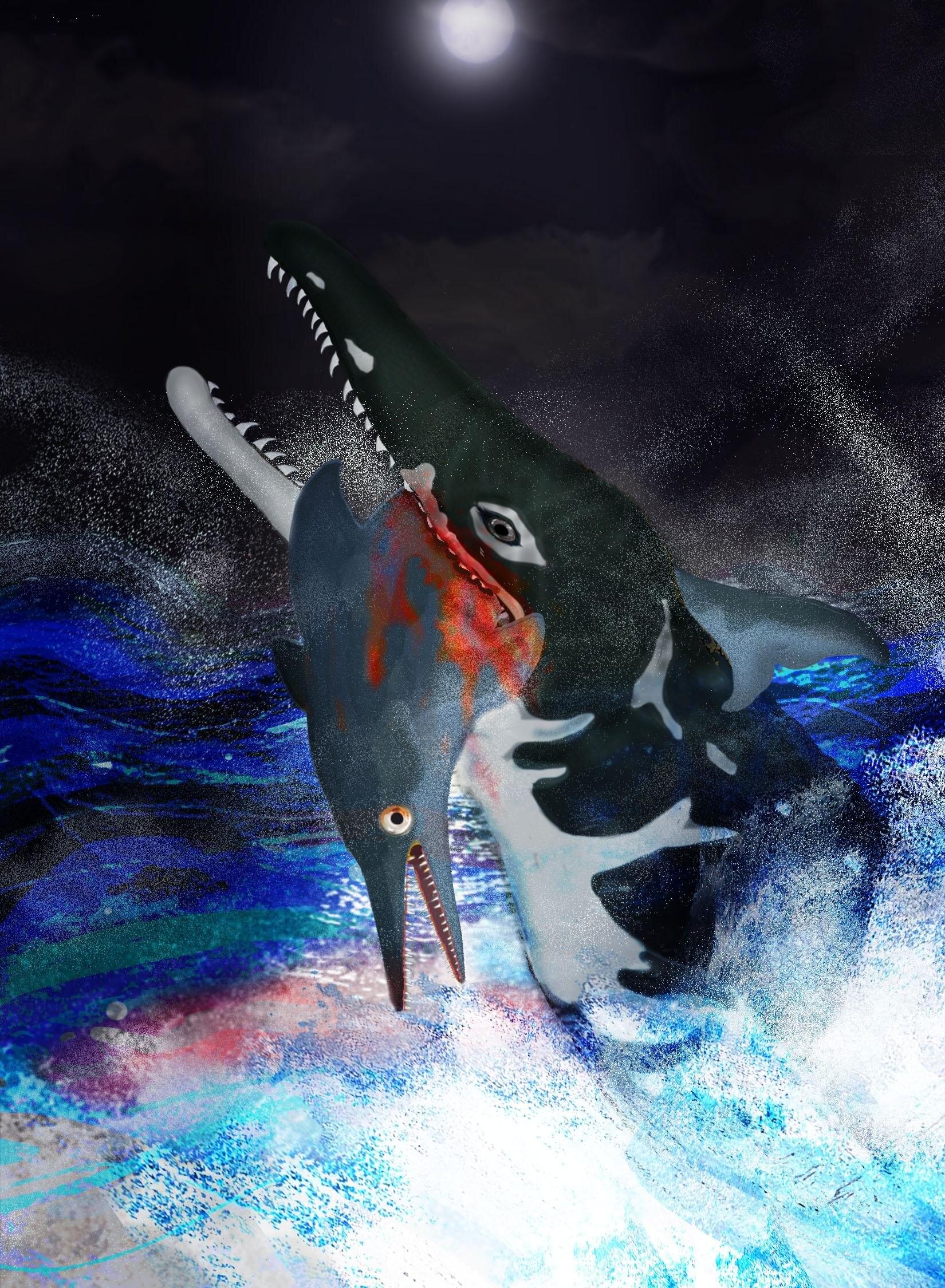
Fossil discovery shows the interaction between giant marine reptiles
Approximately 160 million years ago, during the Age of Dinosaurs, giant marine reptiles ruled the seas. One such creature, an ichthyosaur, swam in a sea near present-day Peterborough, England. This huge animal, shaped like a dolphin, was a quick swimmer that chased prey such as ammonites and squid for sustenance.
However, on this day, luck was not on its side.
A pliosaur, an even more imposing reptile with 5-inch-long (13-centimeter-long), dagger-like teeth, attacked the ichthyosaur from underneath, biting with such force during the struggle that the tip of one of its teeth broke off in the middle of the ichthyosaur’s vertebra. The ichthyosaur’s body fell in pieces to the ocean floor, where the pliosaur finished its meal—a vivid scene inspired by the contents of a drawer in the Peabody’s Division of Vertebrate Paleontology.
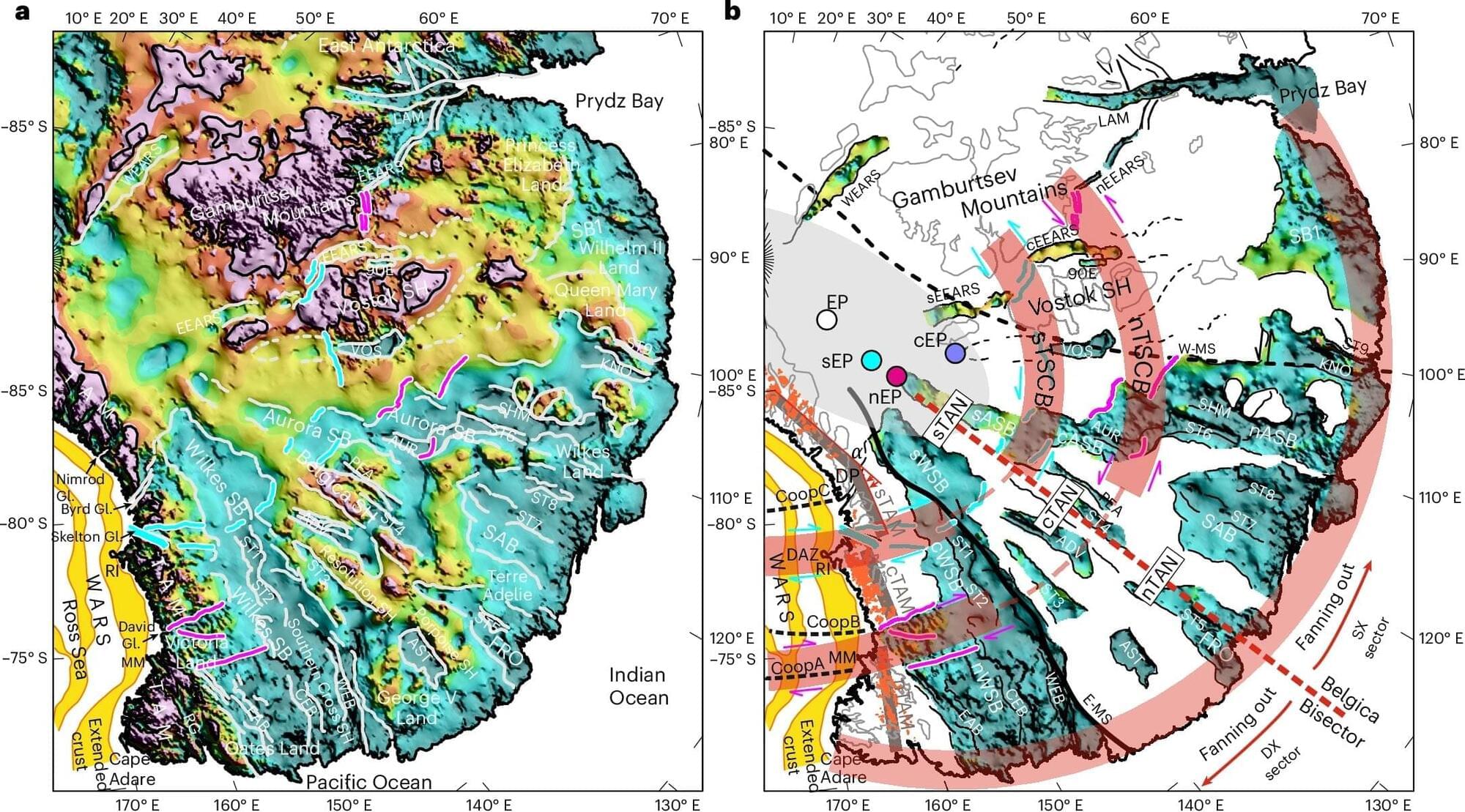
Vast Hidden Structure Discovered Under Miles of Ice in East Antarctica
Scientists have discovered a colossal hidden structure beneath Antarctica that could reshape our understanding of the continent’s past and present.
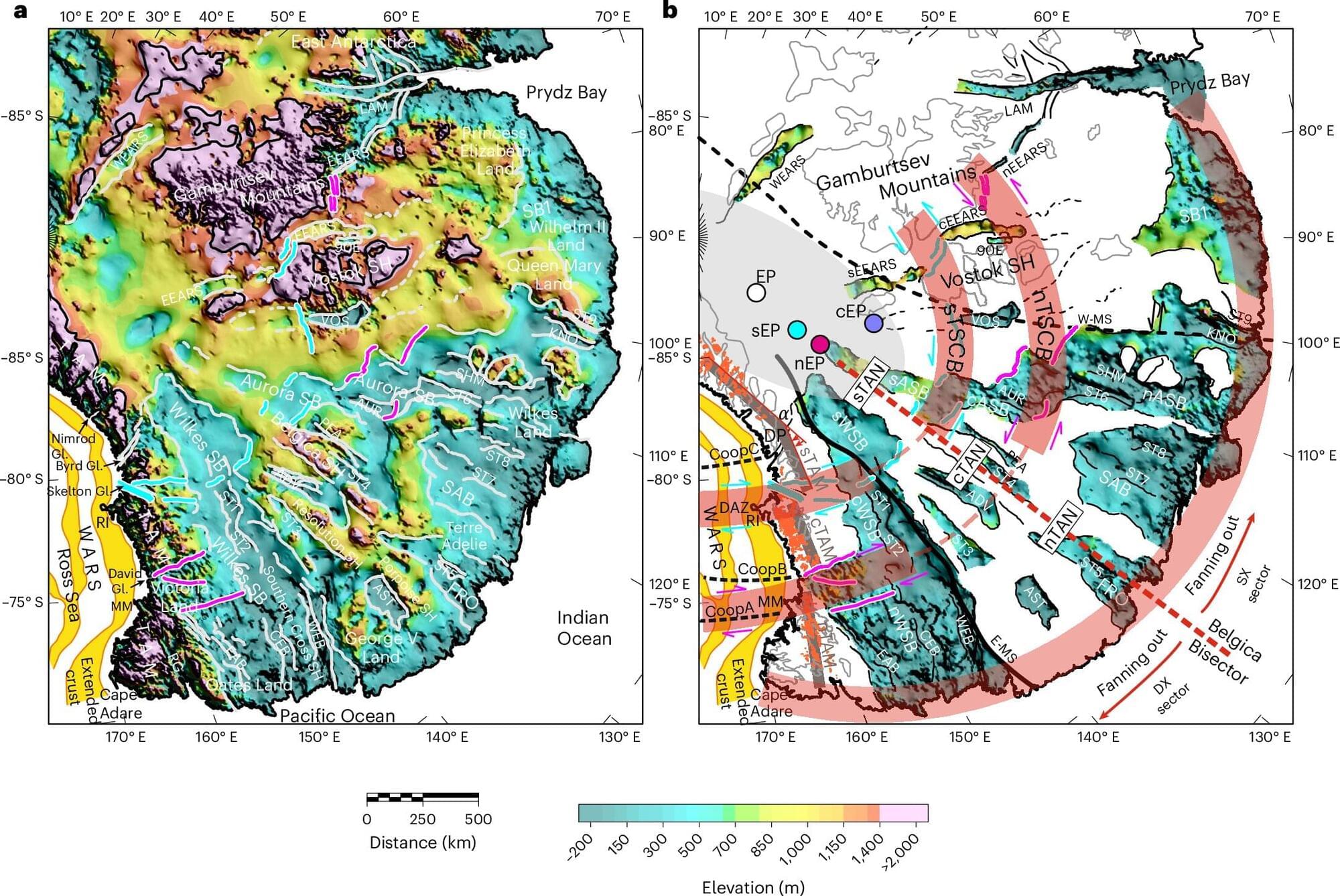
Giant fan-shaped structure found under East Antarctica
An international team of researchers including our Department of Geography has discovered a vast geological structure hidden beneath the East Antarctic Ice Sheet. The findings are published in the journal Nature Geoscience.
The structure is made up of a system of enormous subglacial basins buried in ice over three kilometers thick in parts.
Together, the basins form a giant fan-shaped structure on a continental scale. The team have named it the East Antarctic Fan-shaped Basin Province.
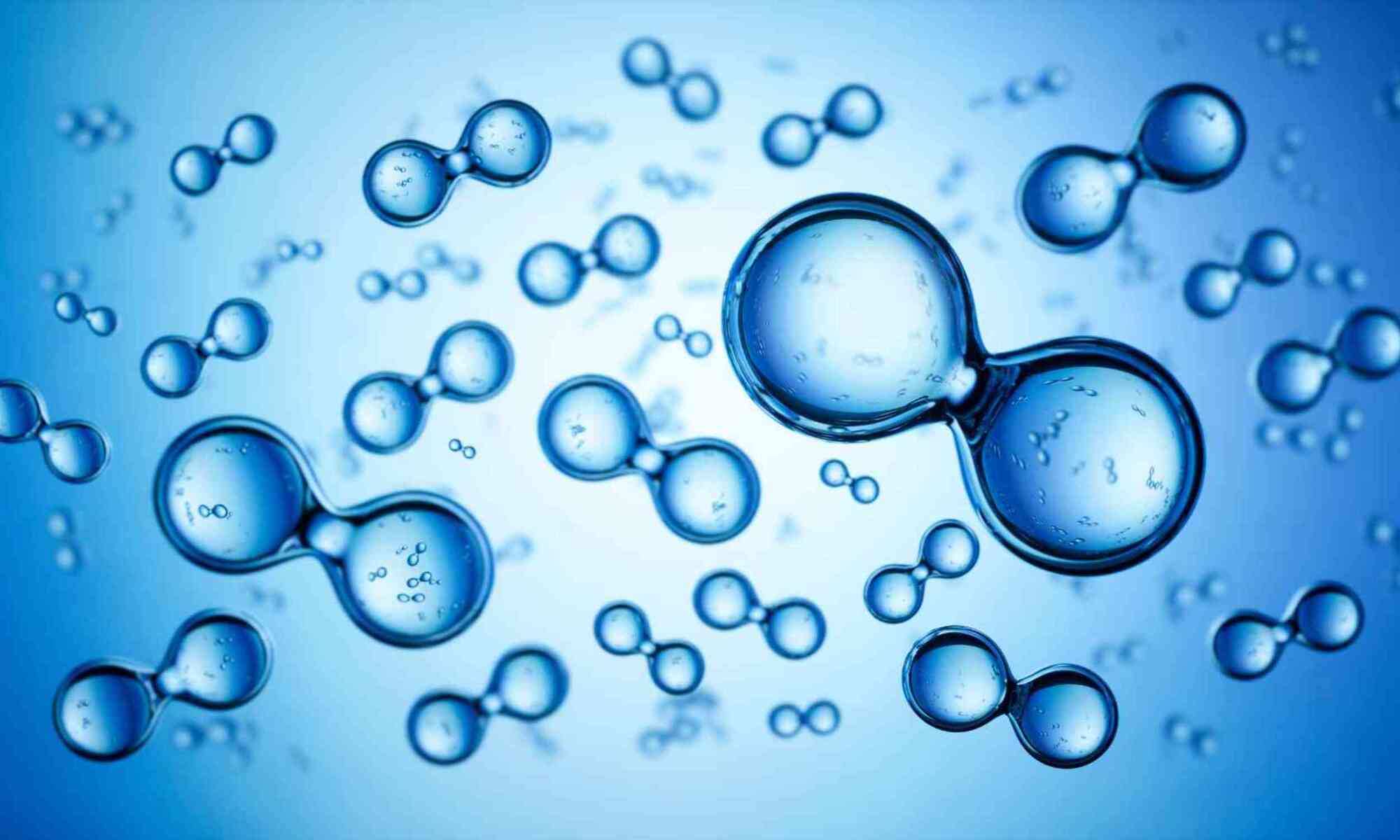
Scientists found a lower-heat way to make clean hydrogen from water
A cheap crystal of four common elements produces clean hydrogen from water at temperatures hundreds of degrees lower than older methods need.

Early Warning Signs of Supply-Chain Attacks Live in the Dark Web
GitHub access sales, leaked repositories, and stolen API keys can all become supply-chain attack footholds. Flare explores how underground forums expose early signals tied to software supply-chain risk.

TROUBADOUR000/Awesome-Agentic-Time-Series: A curated list of papers on time series foundation models, LLM4TS and agentic time series systems
A curated list of papers on Agentic Time Series, covering time series foundation models, LLM4TS, temporal reasoning, benchmarks, memory, world models, reliability, and fully agentic time series systems.
Future technologies ranked by how real they actually are
Enhance your AI work quality with Mammouth for only $10/month at http://mammouth.ai.
Sciencephile Merch: https://crowdmade.com/collections/sci…
Support me at Patreon: / sciencephiletheai.
Facebook: / sciencephile.
Twitter: / sciencephile_
Reddit: / sciencephiletheai.
How bacteria use acetyl coenzyme as a building block in the formation of cells
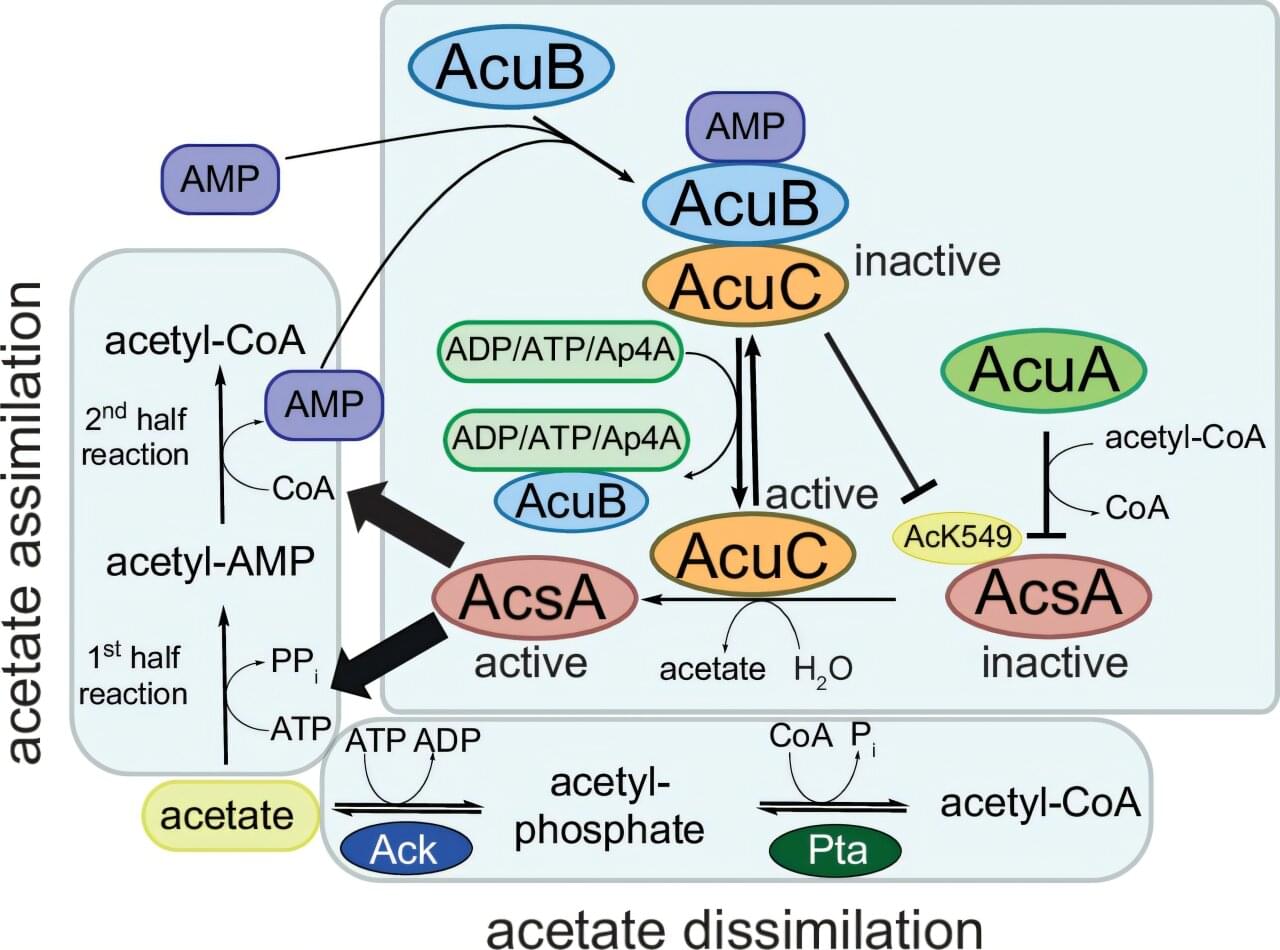
Researchers at the University of Greifswald have discovered a new mechanism by which bacteria such as Bacillus subtilis can regulate the production of the central metabolic molecule acetyl coenzyme A (Acetyl-CoA). Acetyl-CoA, also known as activated acetic acid, is crucial in the production of nutrients, i.e., proteins, carbohydrates and lipids, and thus plays a key role in the metabolism of all cells.
Until now, it was unclear how bacteria coordinate the production and decomposition of activated acetic acid using this pathway. New findings published in the journal Nature Communications have now shown that Bacillus subtilis uses a special regulatory mechanism to coordinate both processes.
When cells are supplied with an abundance of nutrients, they are forced to decide whether to gain energy or create building blocks for growth. At the heart of this decision-making process is acetyl coenzyme A, which links the decomposition of nutrients with the synthesis of proteins, carbohydrates and lipids, thereby acting as a central hub for the entire metabolism during cell formation.