Toggle light / dark theme

This advanced zinc-air battery can further electric mobility

Researchers use a mix of less expensive, safer, and sustainably available components to create long-lasting bi-functional air electrodes.

We have all heard the line; the future is electric. But are we fully equipped to handle a full-scale transition to all-electric power? One thing standing in the way is the lack of cleaner and more affordable battery technologies to store energy.

Compared to commonly used Lithium-ion cells facing challenges related to cost, finite resources, and safety concerns, rechargeable zinc-air batteries (ZABs) are pitched as cost-effective energy storage devices and display high-energy density, especially for application in EVs.

Memory’s Future Focus: It’s Not Just What, but Why We Remember

Summary: Our ability to process sentences relies on the dynamic nature of working memory, where information is stored and integrated with our future intentions.

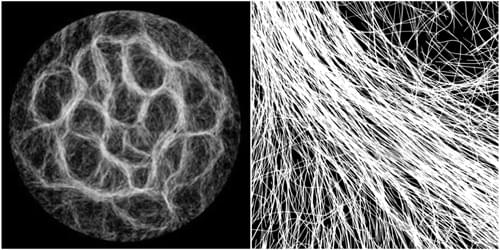
New research reveals that visual memories adapt according to our future use of that information. These findings challenge conventional theories arguing that our working memory’s neural codes remain unchanged over time.

Instead, the study reveals that our brains dynamically reformat these memories to better align with potential future actions based on these recollections.

After Superintelligence: counterbalance the overwhelming capabilities of superintelligent machines

(Suggested reading: “The Non-things”, Byung-Chul Han).

The idea that human connection will be crucial in the age of superintelligence is not uncommon among some experts and futurists. Superintelligence refers to a hypothetical form of artificial intelligence that surpasses human intelligence across all domains. Some individuals, including scientists and technologists, have expressed concerns about the potential impact of superintelligence on humanity.

Some argument that if superintelligence were to become a reality, it could bring about profound changes to society and the way we live. In such a scenario, human traits and values like compassion, empathy, and emotional connections could become even more critical to preserve our uniqueness and counterbalance the overwhelming capabilities of superintelligent machines. The idea is that our ability to connect with each other emotionally and maintain a sense of community, compassion, and mutual understanding could provide a counterpoint to the cold and logical calculations of superintelligent AI. This human element might serve as a safeguard against potential negative consequences or misuse of superintelligence.

/* */