GitHub releases npm 12 with install scripts off by default and begins phasing out 2FA bypass tokens for sensitive npm actions.

Earth’s temperature has been much cooler in the past than previously thought, meaning it could be moving toward the warmest it’s ever been.
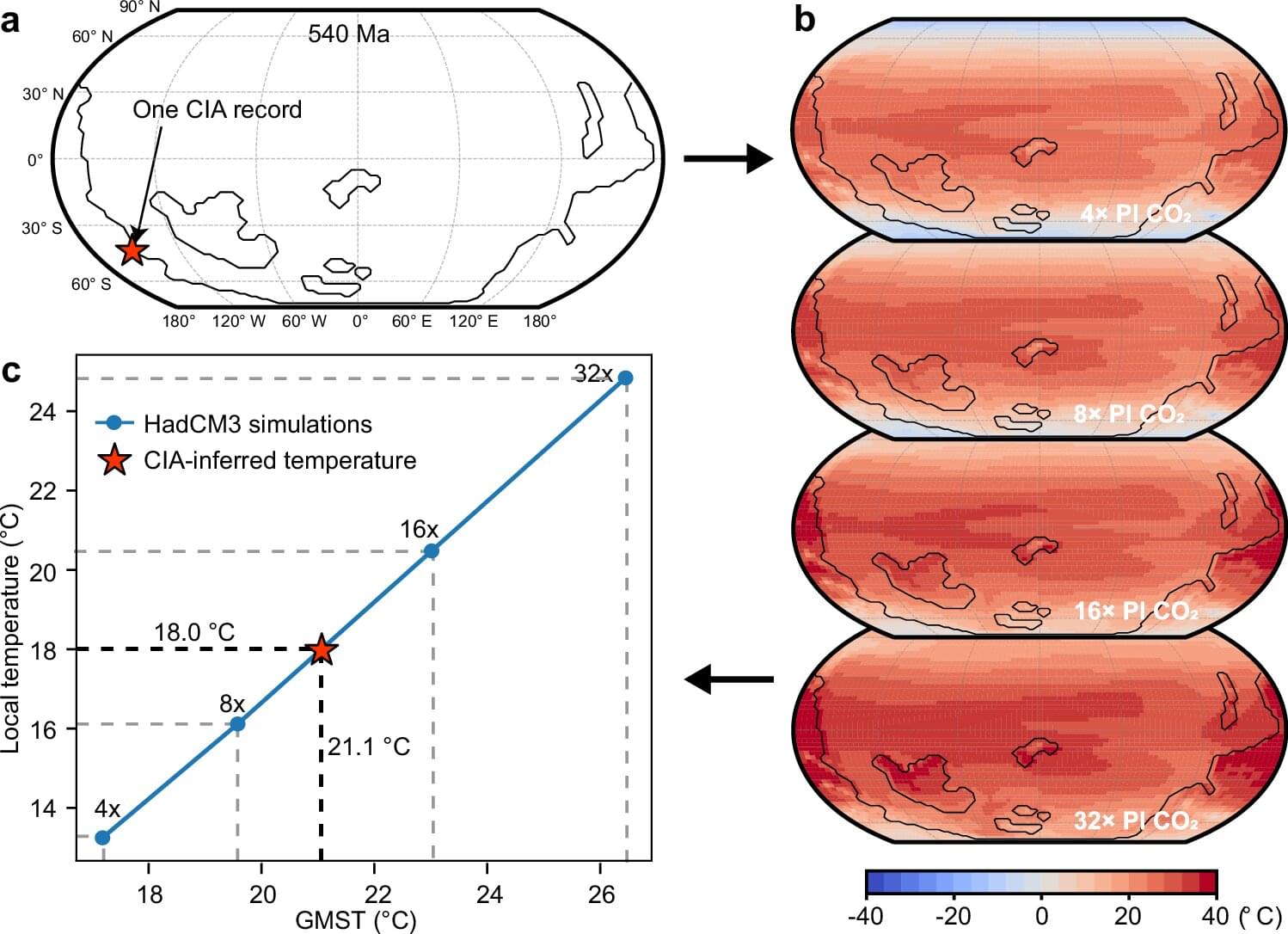
Research at the University of Leeds used a new method to understand how warm Earth’s temperature has been over the Phanerozoic period—from around 540 million years ago to the present day.
Studies previously estimated that the planet’s temperature could have reached up to 20 degrees Celsius above preindustrial levels during some geological periods, and maybe even up to 30 degrees above preindustrial in earlier times when the first animals evolved.
Support this channel on Patreon to help me make this a full time job: https://www.patreon.com/whatdamath (Unreleased videos, extra footage, DMs, no ads)Alter…
#fractionalcalculus
Spielberg’s Disclosure Day reopened a question I’ve carried since childhood: what happens when humanity learns it was never alone?



While biomethane is flowing into homes across the U.S., Asia and Europe, a renewable replacement for natural gas has yet to reach its full potential in Australia.
New research by University of Melbourne scientists has made it easier for biomethane to be used in heating, cooking and transport.
The team, led by Professor Mohsen Talei, studied key contaminants in biomethane to determine safe concentrations for use in home appliances.