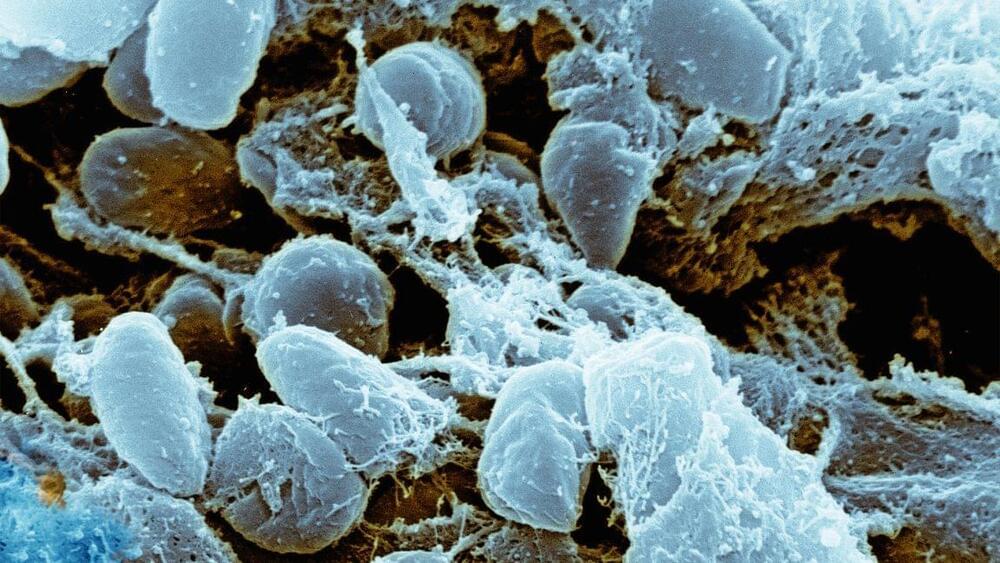
If you make a big enough toxin, it’s difficult to get it out of the cells.

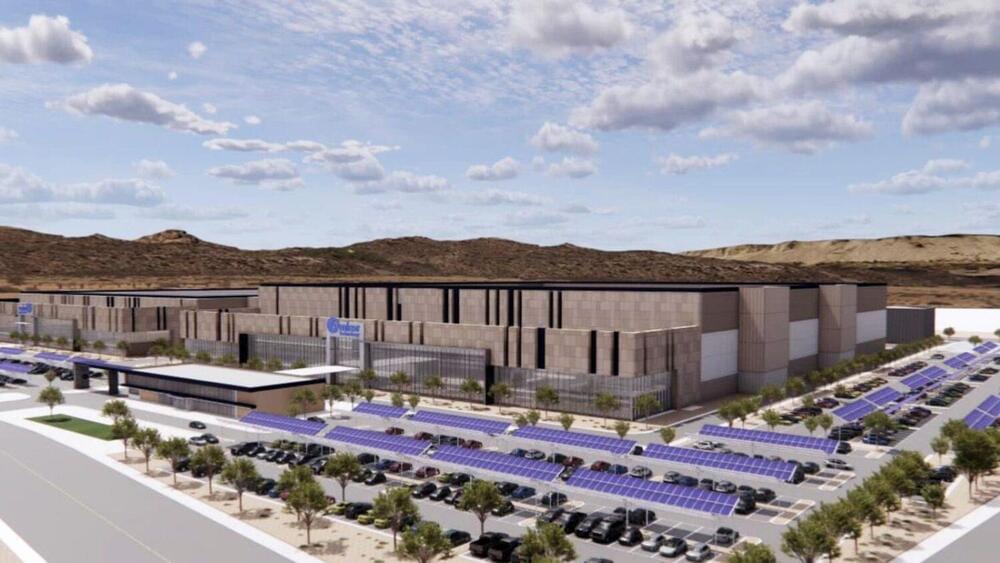
What will Arizona-based semiconductor manufacturer do?
The award of $407 million will directly support the company’s investment of around $2 billion in creating an advanced packaging and test facility in Peoria.
Amkor Technology Arizona’s future facility is expected to create more than 4,000 jobs in Arizona, according to the U.S. Department of Commerce.
https://DigitizingHumanity.com is a registered Canadian Not-For-Profit Corperation.
Thank you for all donations, especially anonymous!
BTC: bc1qjxtm6pvz4w0yg23g7wx433agufz5d3tt5kcqq0 (MainNet)
XRP: rnmUWQGZwySnswyUuKFEbtFwdkgS9DgtkR (MainNet MEMO ONLY) Memo: 114988845
DODGE: DDvuReZPMep3ixPyJfZJ2BxKfc2PJXpjB3 (MainNet)
SHIB: 0x6247A9f1805Eed9F46549f0d572bc74A01E540AE (ERC20)
PEPE: 0x6247A9f1805Eed9F46549f0d572bc74A01E540AE (ERC20)
DNDDog: 0x5d4E3D6bb06e4187AB5C3A3b1F7565cfE3E9E2F1 (BEP20)
H*HER: J8sMQKfoEcKd1oqEajVca3P6mfu6UWTx5wdPsuWAcvwj (Solana)
YAK: 0x6247A9f1805Eed9F46549f0d572bc74A01E540AE (ERC20)
RTime: 0x5d4E3D6bb06e4187AB5C3A3b1F7565cfE3E9E2F1 (BEP20)
TRUMP: 0x6247A9f1805Eed9F46549f0d572bc74A01E540AE (ERC20)
PINU: 0x5d4E3D6bb06e4187AB5C3A3b1F7565cfE3E9E2F1 (BEP20)
GOAT: J8sMQKfoEcKd1oqEajVca3P6mfu6UWTx5wdPsuWAcvwj (Solana)
LEAX: 0x6247A9f1805Eed9F46549f0d572bc74A01E540AE (ERC20)
DPG: 0x5d4E3D6bb06e4187AB5C3A3b1F7565cfE3E9E2F1 (DER20)
SEXY: 0xA0aa07A08Ca61D09e1F43AF4D00947f32436F111 (Polygon)
DANA: UQBibRG9FVfUenTipTUzLr7T0pe4cSjPLpeJEC7WxuRtT52U (TON MEMO ONLY MEMO: 645760)
Thank you for all donations, especially anonymous!
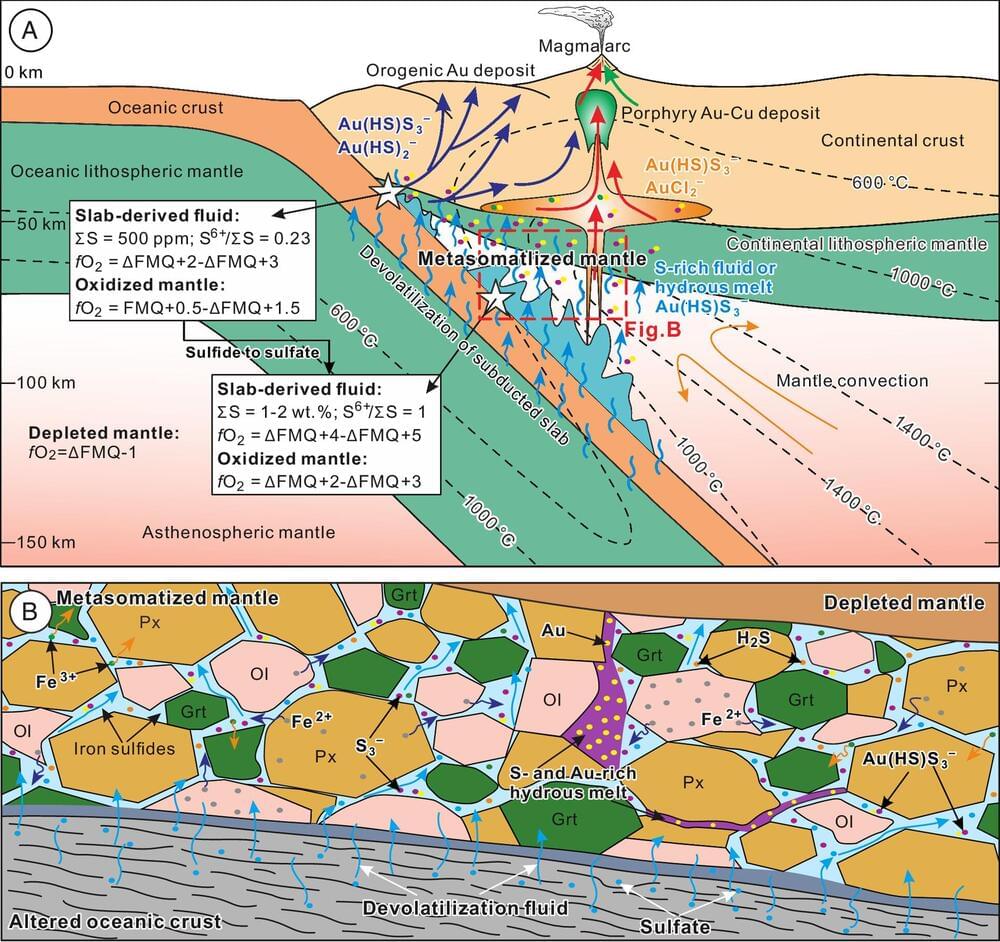
A research team including a University of Michigan scientist has discovered a new gold-sulfur complex that helps researchers understand how gold deposits are formed.
Gold in ore deposits associated with volcanoes around the Pacific Ring of Fire originates in Earth’s mantle and is transported by magma to its surface. But how that gold is brought to the surface has been a subject of debate. Now, the research team has used numerical modeling to reveal the specific conditions that lead to the enrichment of gold in magmas that rise from the Earth’s mantle to its surface.
Specifically, the model reveals the importance of a gold-trisulfur complex whose existence has been vigorously debated, according to Adam Simon, U-M professor of Earth and environmental sciences and co-author of the study.
Spring 2018
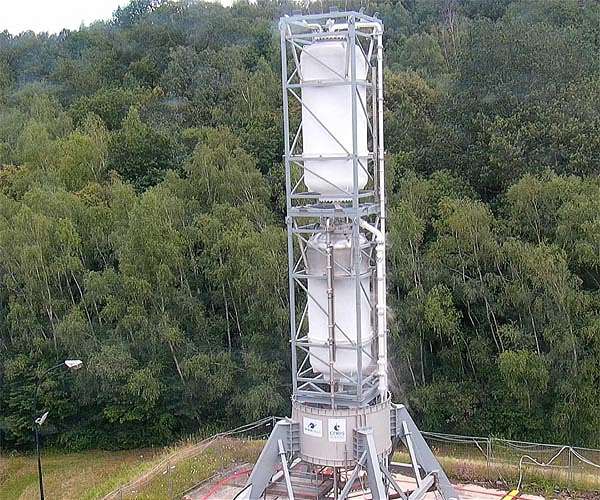
ArianeGroup has successfully completed the initial mechanical integration of Themis, the European reusable launcher first stage demonstrator, at its Les Mureaux facility in France.
Standing 28 meters tall, the prototype comprises the Multi-Engine Bay (MEB), tanks, the Flight Control Bay (FCB), and the upper segment that completes the stage structure.
The Themis demonstrator will be powered by Prometheus, a new-generation, throttleable cryogenic engine also developed by ArianeGroup.
Link :
A year and a half after the end of its mission, NASA’s InSight Mars lander may have just helped scientists find enough water to fill an ocean.
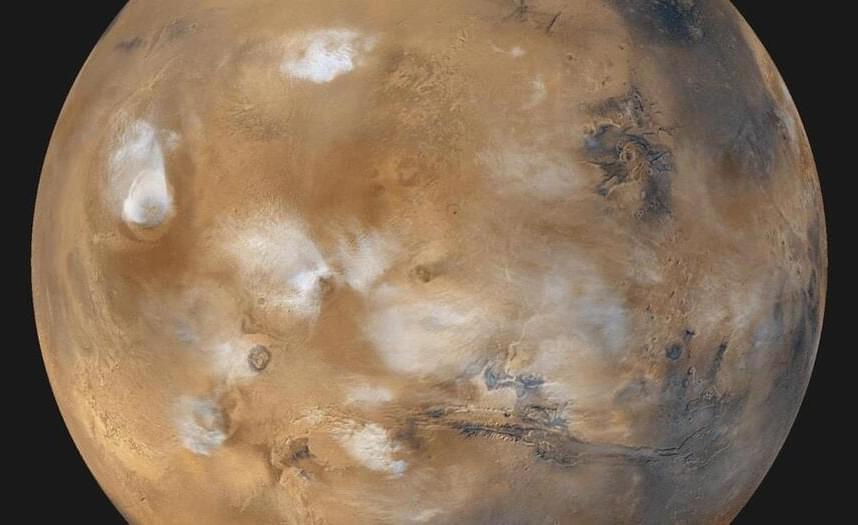
Deep beneath NASA’s InSight lander (RIP InSight), an ocean’s worth of liquid water may be trapped in rocky fissures, suggests a recent study of data recorded during more than 1,300 Marsquakes. If University of California, San Diego, geologist Vashan Wright and his colleagues are right, then Mars may be hiding underground reservoirs of water larger than the planet’s ancient, now-vanished, oceans. That could change how we search for traces of life on Mars, as well as how future Mars missions could supply themselves with water, rocket fuel, and oxygen to breathe.
Wright and his colleagues published their work in the journal Proceedings of the Natural Academy of Sciences.