
The Planetary Society’s LightSail 2 spacecraft will be a test bed for future missions wanting to use solar sails — including NASA’s proposed Near-Earth Asteroid Scout cubesat.
Category: futurism – Page 1,355


ESA proves new technologies to power future launchers
A full-scale demonstrator of the thrust chamber for an upper-stage rocket engine incorporating the newest propulsion technologies is being prepared for its first hot firing.
The Expander-cycle Technology Integrated Demonstrator, or ETID, has arrived at the DLR German Aerospace Center test facility in Lampoldshausen for tests. It will help to prove new technologies, materials and manufacturing techniques that offer higher performance at lower cost for Europe’s future launchers.
ETID is a precursor of the next generation of 10-tonne rocket engines. Some of the technologies could also be used on upgrades to the existing Vinci, which powers the upper stage of Ariane 6.
Photos: The violent beauty of Herbig-Haro objects, the eruptions of newly-formed stars
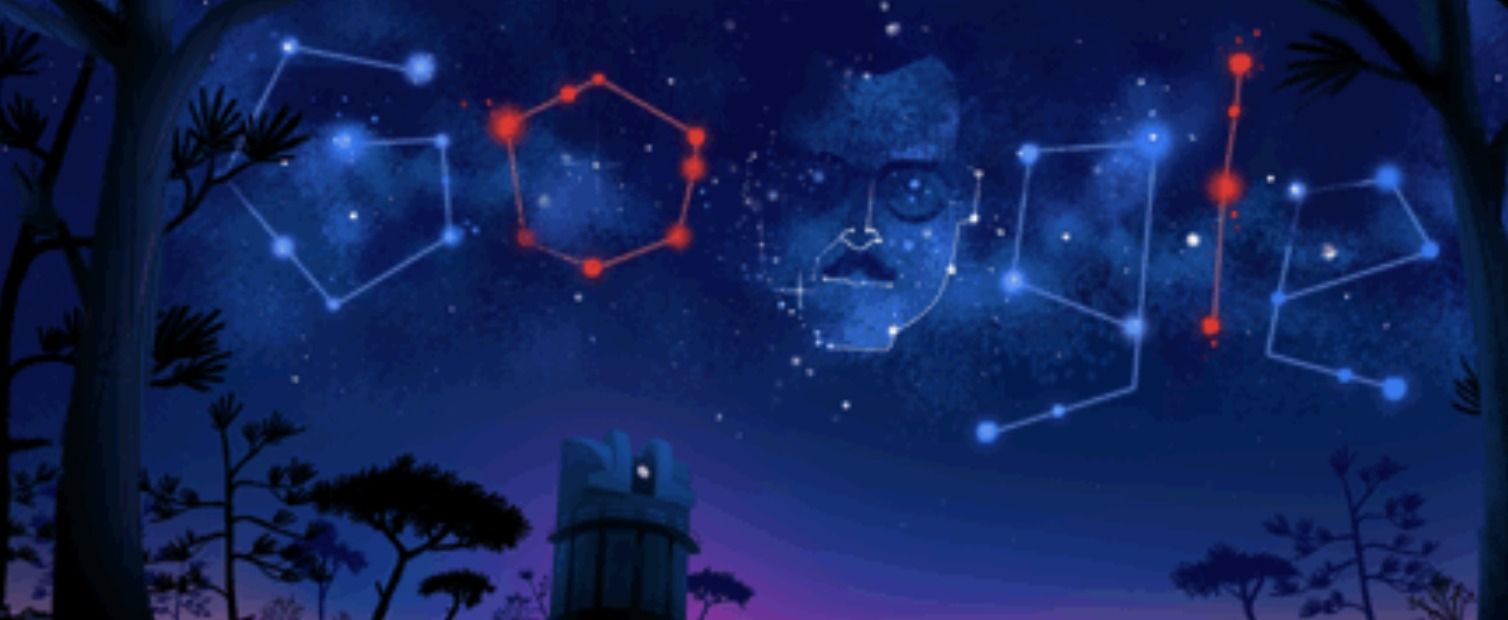
Today’s (March 21) Google Doodle honors the Mexican astronomer Guillermo Haro, who would have been 105 today.
His signature discovery was the Herbig-Haro object, a celestial phenomenon named after Haro and the American astronomer George Herbig, who was researching the same occurrences at around the same time.
Herbig-Haro objects are jets of gas and other matter erupting from newly formed stars which collide with the gas and dust around them at the speed of several hundreds of kilometers a second.
A dusting of salt could cool the planet
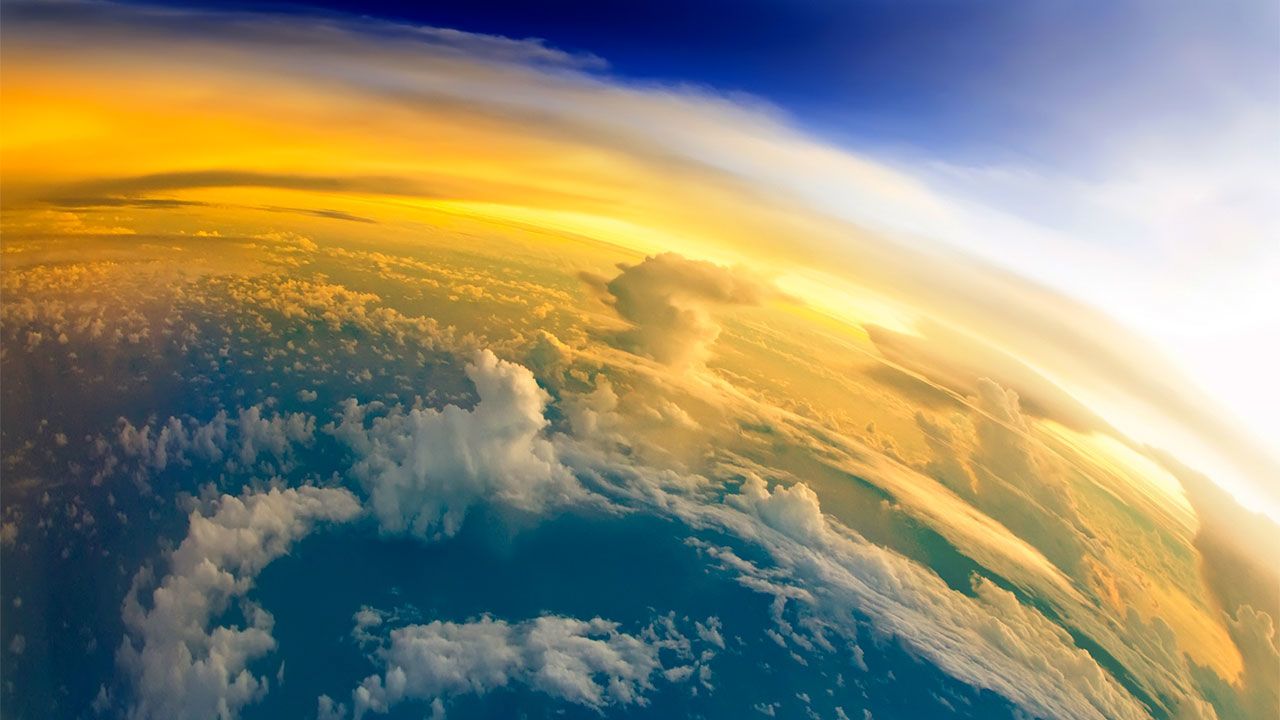
Scientists propose reflecting sun’s rays with salt.
Guillermo Haro Search
Interesting.
Guillermo Haro was a Mexican astronomer. He was the first person elected to the Royal Astronomical Society from a developing country. He is portrayed on Google Doodle on 21 March 2018, commemorating his 105th birthday.
So much for spring: Another historic storm is coming to paralyze the East Coast
A foot or more of snow could fall in the 4th nor’easter in just 3 weeks, from Washington to Boston.

The Controversial ‘Humanity Star’ Is Coming Back to Earth Early
A shiny satellite launched in January will burn up in Earth’s atmosphere a few months ahead of schedule.

DARPA wants to connect human brains and machines
Neurotechnology would significantly increase the speed at which information is transferred from humans to machines, and a brain-systems interface may be a requirement to keep up with the pace and complexity of future combat zones.